SpaceX aims to reduce orbit payload delivery costs to $100 per kilogram
Elon Musk announced SpaceX plans to lower the cost of delivering cargo to orbit to $100 per kg using the fully reusable Starship system.
During an interview with entrepreneur Ron Barron, Elon Musk outlined SpaceX's ambitious plans to significantly reduce the cost of delivering cargo to low Earth orbit. According to the company's founder, future transport models will make it possible to bring the price down to just 100 dollars per kilogram.
- Elon Musk plans to lower the cost of delivering 1 kg to orbit down to $100.
- In 2010, NASA data showed that launching one kilogram cost approximately $18,500.
- The Falcon 9 rocket reduced costs, but its upper stage remains expendable.
- The new fully reusable Starship system aims to fundamentally reshape space flight economics.
The evolution of space launches and the expendable upper stage problem
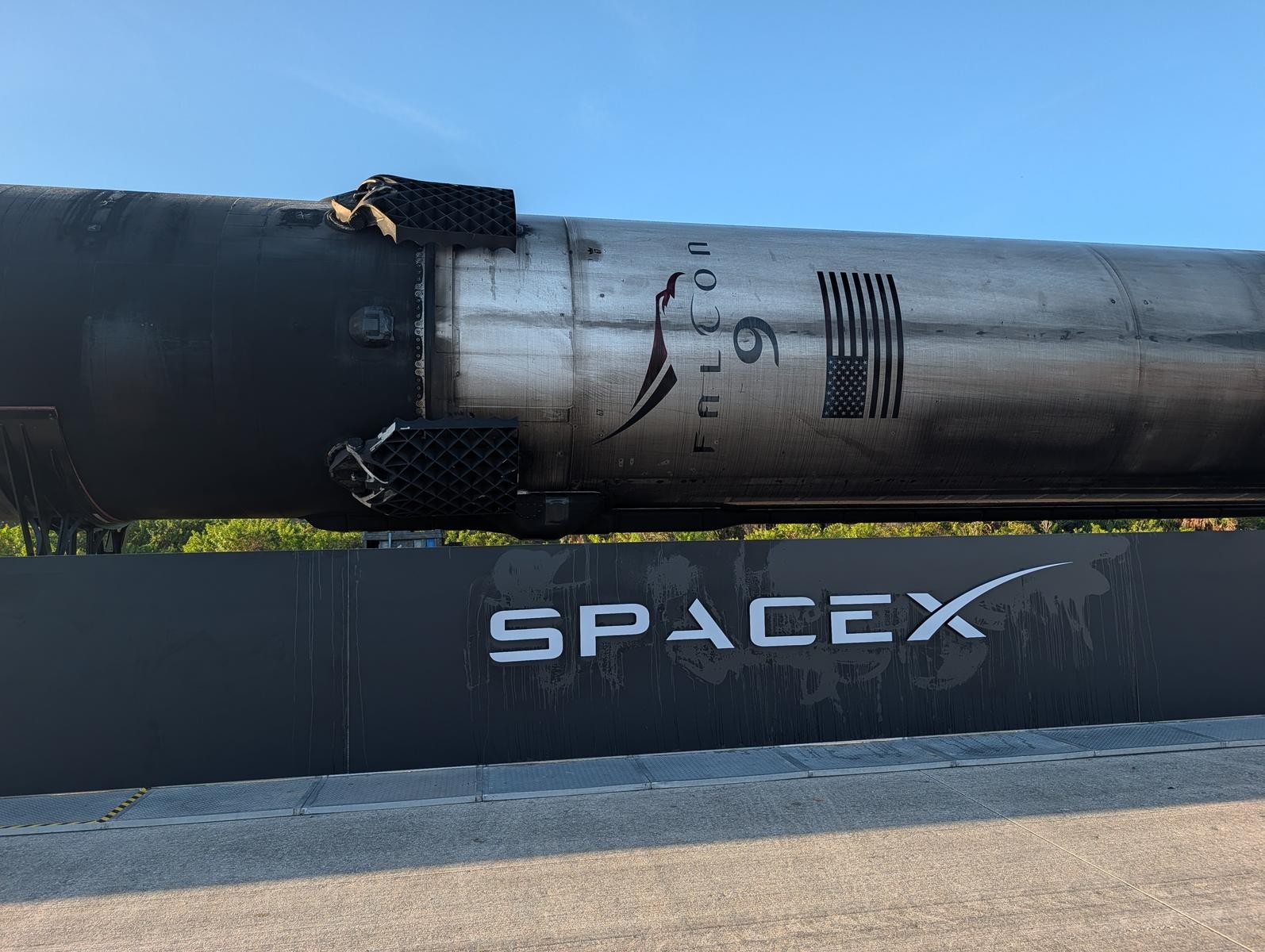
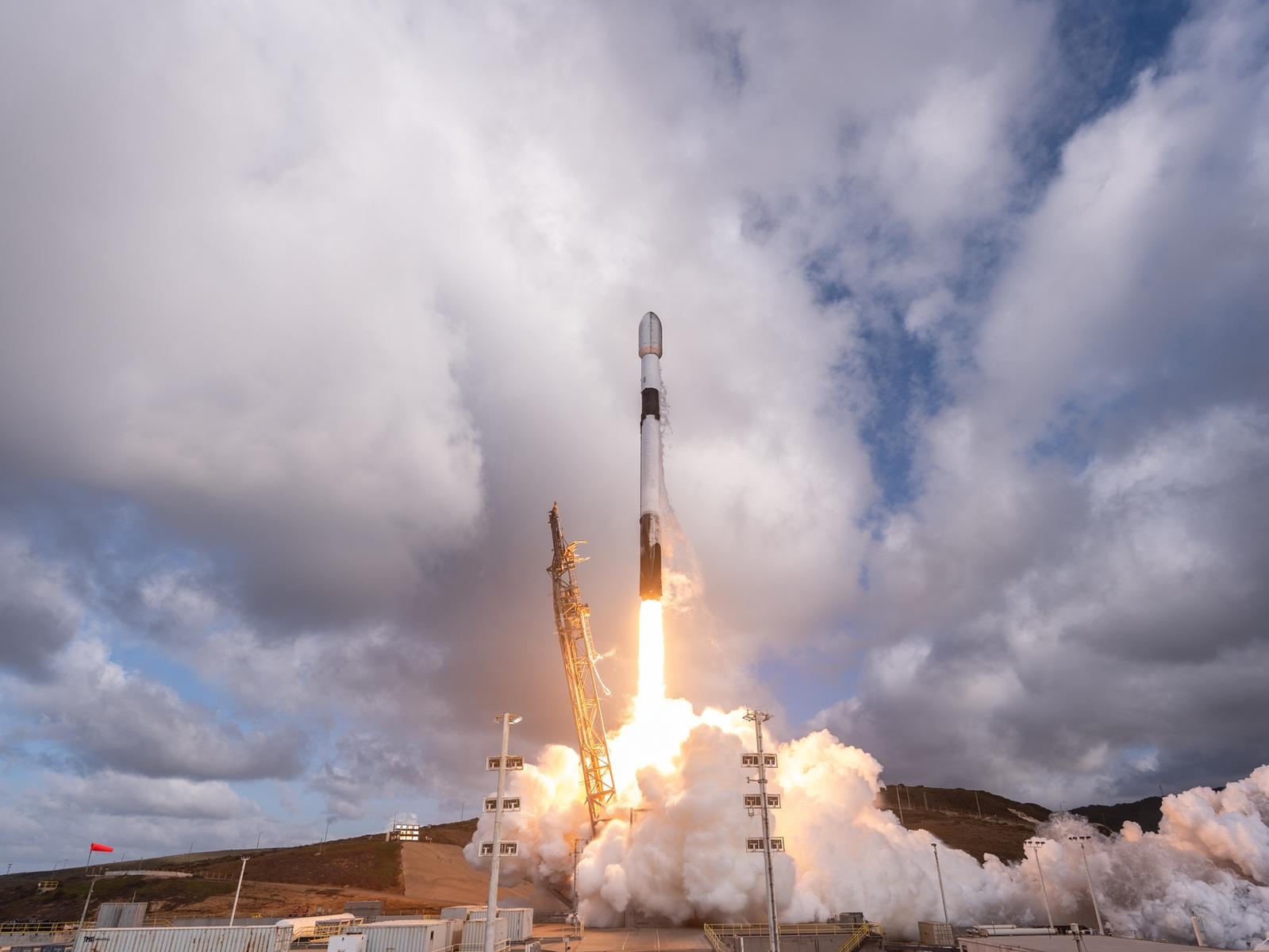
During the conversation, Ron Barron recalled NASA data from 2010 indicating that launching a kilogram of payload to orbit cost about $18,500. The advent of the Falcon 9 rocket significantly lowered this price, yet its design does not yet provide full reusability, as only the first stage returns and is reused.
At the same time, the expendable upper stage of the Falcon 9 costs as much as a medium-haul passenger aircraft. Elon Musk compared this model to commercial aviation, where an airplane would have to be thrown away after every single flight. Such an approach makes logistics incredibly expensive and restrains large-scale space exploration.
Read alsoStarlink to increase network capacity by 100x to 80 Pbps in three yearsThe role of the Starship spacecraft and Super Heavy booster
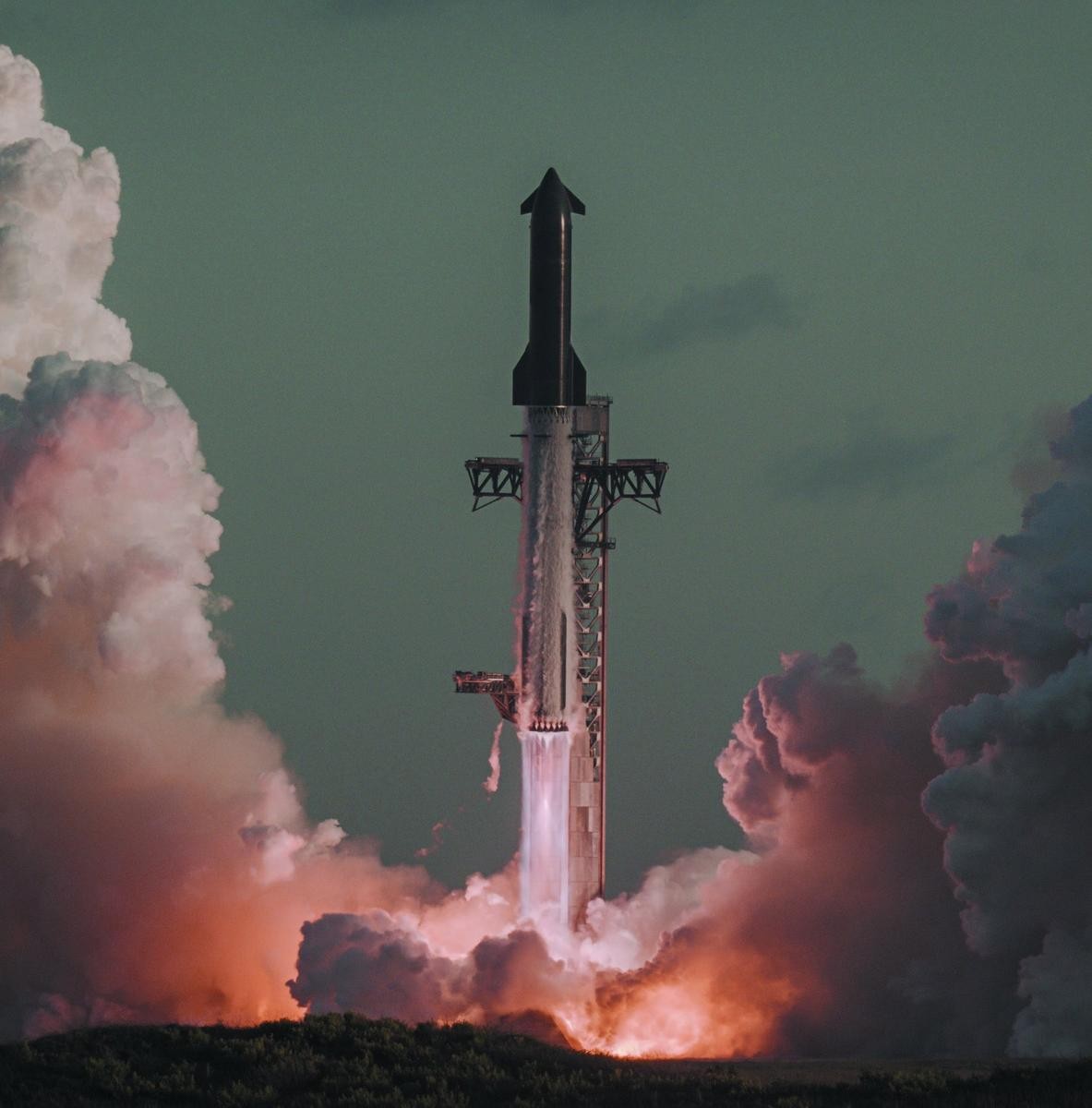
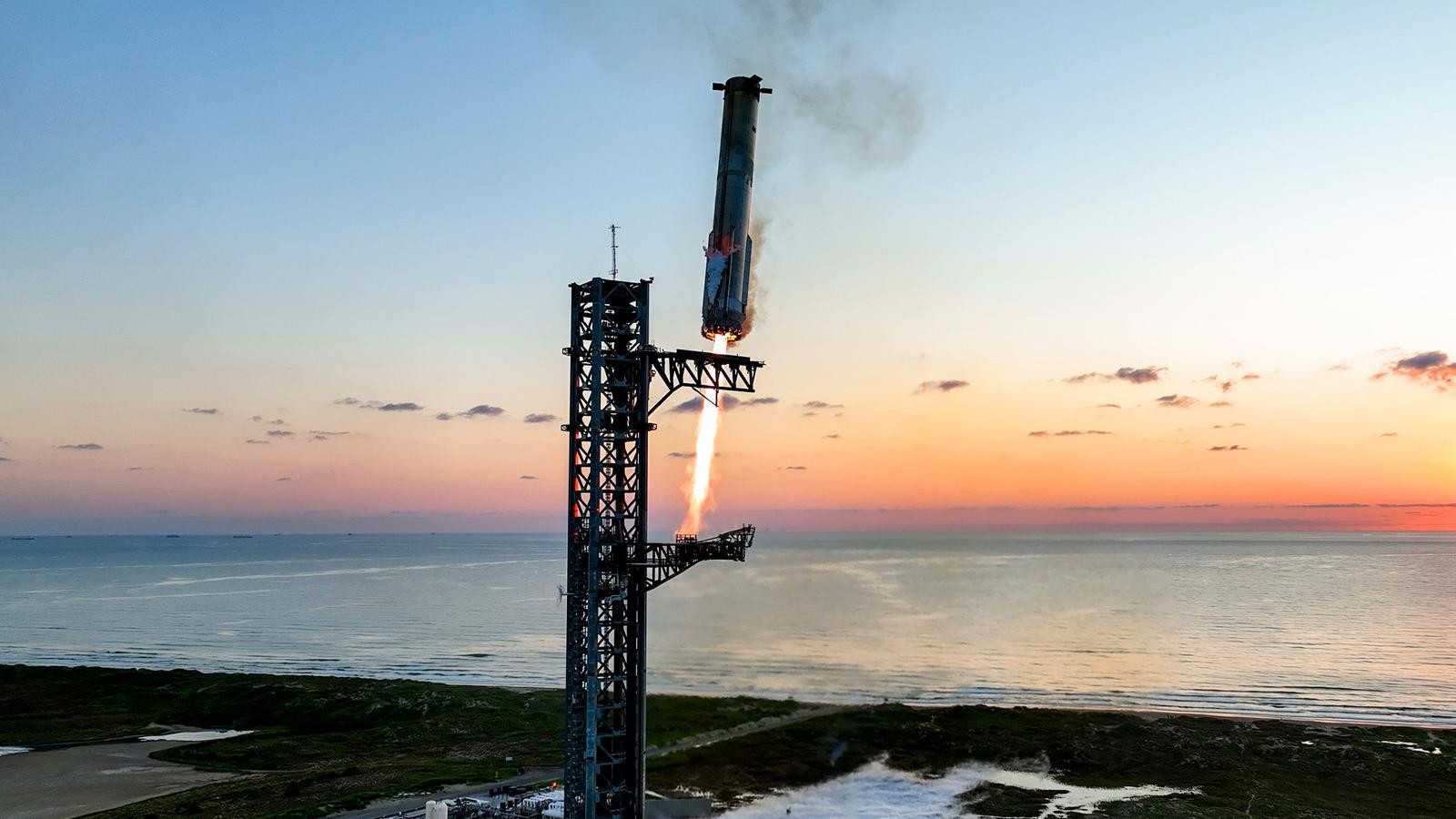
The entrepreneur noted that the next logical step is the creation of a fully reusable transport system. This exact principle underlies the Starship architecture, which consists of the Super Heavy booster and the Starship spacecraft designed to avoid destroying expensive structural elements.
In addition, the SpaceX founder stated that the company could eventually launch Super Heavy boosters with an interval of just one hour. This should ensure a dramatic increase in flight frequency and further reduce cargo delivery costs. Back in August, Musk also discussed plans to deliver up to 10 million tons of cargo per year using Starship.
Significance for global industry and business
A sharp drop in space logistics costs to one hundred dollars per kilogram will open a new era for the global industry, making commercial space ventures accessible to a much broader range of enterprises. This will fundamentally transform the economics of deploying large satellite constellations, space tourism, and scientific research.
For the technology sector and investors, such prospects mean the removal of major barriers to commercial space entry. If SpaceX successfully achieves its goals and reduces launch intervals to a single hour, it will completely rewrite the rules of the global space race and stimulate related industries worldwide.
Source: iXBT.com