Sodium-ion batteries approach cost parity with LFP technology
Sodium-ion batteries are entering commercial production with over 70 GWh in supply agreements, approaching cost parity with LFP.
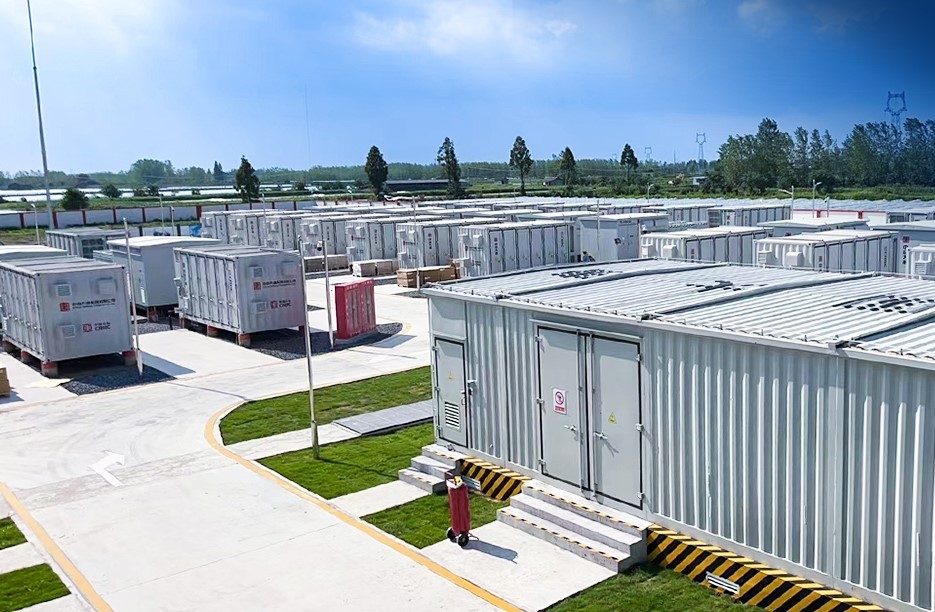
Sodium-ion battery technology is rapidly entering the commercial production phase, establishing itself as a viable alternative to lithium-ion solutions. Driven by supply chain diversification, strong low-temperature performance, and a lower total cost of ownership, the sector has already secured over 70 GWh in supply agreements according to Wood Mackenzie.
- Sodium-ion technologies emerge as the most promising alternative to lithium for stationary energy storage systems.
- Leading manufacturers expect to reach cell-level cost parity with LFP batteries by late 2026.
- Global average costs currently stand at $229/kWh for sodium-ion versus roughly $200/kWh for LFP.
- China leads commercialization with BYD planning 30 GWh and CATL aiming for over 1 GWh in shipments by end of 2026.
Market prospects and cost parity timelines
Examining markets across China, the United States, Germany, and India, the study identifies sodium-ion as the leading alternative to lithium-based stationary storage. Top manufacturers are projected to achieve cell-level cost parity with lithium iron phosphate (LFP) batteries by late 2026, though module and system-level parity is not anticipated until after 2030.
China remains at the forefront of commercialization, with BYD targeting 30 GWh of manufacturing capacity and CATL aiming to exceed 1 GWh in shipments by the end of 2026. Supply agreements are already established in China, the US, and Europe, while India continues progressing through early-stage commercial validation.
Read alsoTesla Megapack powers Australia's largest energy storage systemEconomic indicators and technical advantages
Although initial upfront costs for sodium-ion batteries remain higher than LFP—averaging $229/kWh compared to approximately $200/kWh—Wood Mackenzie estimates they could deliver a 21% lower total cost of ownership over a 20-year project lifetime. This advantage stems primarily from the elimination of capacity expansion cycles and reduced operational expenditures.
Key technical strengths include raw material supply security, longer service life, and a broader operating temperature range. The latter makes sodium-ion chemistry exceptionally well-suited for cold climates, circumventing the need for expensive thermal management systems required by standard lithium-ion options.
Regulatory frameworks and global policies
Industrial and trade policies are increasingly shaping battery chemistry competitiveness. In July 2026, China reinstated a consumption tax on lithium-ion cells while exempting sodium-ion alternatives until late 2028. Meanwhile, US import tariffs of roughly 58% on Chinese energy storage cells, coupled with Section 45X production tax credits, are heavily bolstering domestic manufacturing.
In Europe, strict carbon footprint declarations under the EU Battery Regulation favor supply chains less reliant on critical raw materials, and India continues boosting domestic production via a $1.25 billion incentive package. Wood Mackenzie notes that the 2030–2035 timeframe will prove decisive for achieving full economic dominance in stationary applications.
Source: Hacker News: Front Page