RAM prices in 2020 vs 2026: Why memory costs so much
A detailed comparison of RAM prices between 2020 and 2026 reveals massive increases in DDR4 and DDR5 costs driven by the AI boom and data center demand.
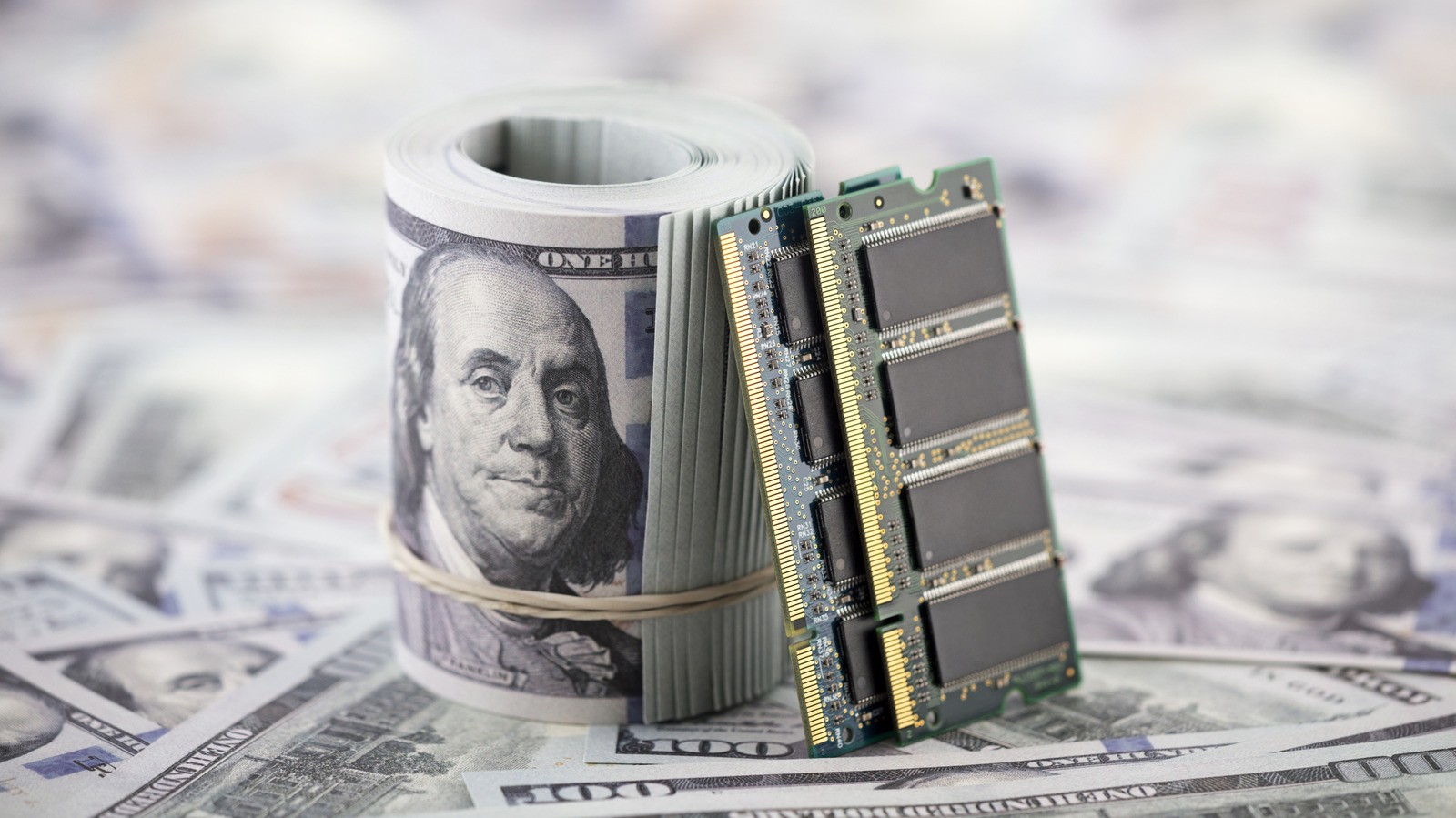
The cost of computer memory has risen dramatically over the past few years, transforming how expensive it is to build or upgrade a PC. While RAM was relatively affordable in 2020, the market in late 2026 reflects steep price hikes. This shift is primarily driven by surging demand from artificial intelligence data centers and changes in manufacturer priorities.
- A 32GB DDR4-3200 kit cost $94.99 in 2020, but comparable new kits reached $198 by October 2026.
- Newer DDR5 systems are significantly costlier, with 32GB DDR5-6000 memory starting at $454.
- Major memory suppliers have scaled back traditional production to prioritize profitable AI and server hardware.
Comparing DDR4 and DDR5 Price Hikes
Market tracking data illustrates the sharp increase in memory expenses. Promotional pricing in late 2020 featured 16GB and 32GB DDR4 kits at much lower rates compared to current retail snapshots. By October 2026, the cheapest available DDR4-3200 listings rose significantly across all capacities, with some configurations seeing triple-digit percentage increases. DDR5 memory, which entered the mainstream market later, experienced an equally massive price surge within just a single year.
The current pricing environment is heavily influenced by the global artificial intelligence boom. Data centers require vast amounts of both specialized and conventional server memory, prompting manufacturers to reallocate fabrication capacity. TrendForce data highlights substantial quarterly jumps in wholesale DRAM prices, which quickly trickled down to retail consumers building personal computers.
Read alsoSamsung is reorganizing its TV lineup around artificial intelligenceImpact on PC Builders and the Used Market
Rising component costs have broader implications for the entire personal computer ecosystem. Major hardware vendors have reported that memory and storage consume a much larger share of total component budgets, leading warnings of rising PC prices. Furthermore, structural shifts in the industry have led some key suppliers to exit consumer retail entirely to focus on high-margin enterprise clients.
The secondhand market offers limited relief, though used RAM no longer matches historical bargains. While buyers can occasionally find cheaper options on platforms like eBay, secondhand parts lack standard retail warranties and require careful compatibility checks. With modern motherboard platforms transitioning exclusively to DDR5, upgrading memory remains a costly endeavor for consumers.