Raspberry Pi 5 16GB price jumps to 385 dollars due to RAM shortage
The 16GB Raspberry Pi 5 configuration now costs 385 dollars following an 80 dollar price hike driven by ongoing RAM shortages.
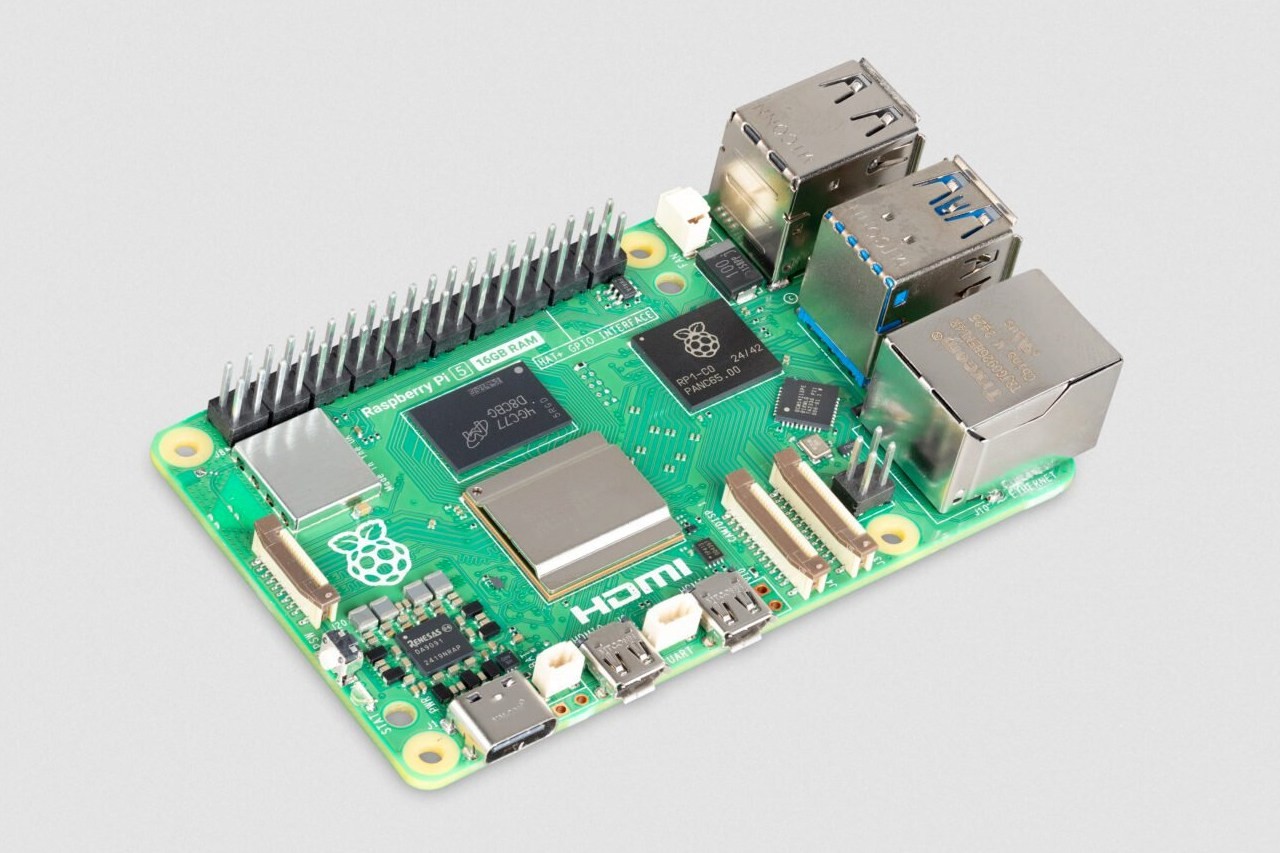
The top-tier configuration of the Raspberry Pi 5 single-board computer has received another major price increase. The model equipped with 16GB of RAM now costs 385 dollars following an 80 dollar price hike.
- The 16GB RAM model increased by 80 dollars to reach 385 dollars, up from its initial 120 dollar launch price.
- Compute Module 5 16GB variants also got a 40 dollar hike, priced between 375 and 415 dollars.
- The ongoing RAM shortage and lack of alternative DRAM supply are cited as the main reasons.
- CEO Eben Upton stated that the company plans to roll back price increases once market conditions improve.
Drivers behind the price hike
According to Raspberry Pi CEO Eben Upton, the price increases were specifically driven by a lack of alternative supply for 16GB DRAM chips, combined with shortages affecting other components. Upton noted that while these hikes are unavoidable, they understand it is unwelcome news for consumers.
Having originally launched at 120 dollars, this specific configuration now costs more than triple its initial price. Furthermore, other Raspberry Pi 5 variants have also seen cost increases, including the 2GB version which went up in price last month.
Read alsoDDR5 RAM prices surge by 760 percent in Japan tech marketAlternatives and future outlook
At 385 dollars, the 16GB Raspberry Pi 5 is rapidly approaching the price territory of desktop mini PCs. Upton encouraged customers to ensure they are not paying for more memory than necessary, suggesting lower-capacity models or older Pi generations as budget alternatives.
Upton reiterated that the current memory market challenges are temporary, expressing optimism that the company will roll back the price increases once memory production costs fall down again.
Impact on developers and business
For developers and tech enthusiasts, the steep price tag makes the top configuration far less economically viable for standard edge computing tasks. As prices approach those of full-fledged desktop mini computers, users are increasingly compelled to opt for lower RAM variants like the 4GB or 8GB models.
Source: The Verge