Russia to Launch Multi-Orbit Satellite IoT Network by 2030: LEO, GEO, HEO Coverage
Kosmicheskaya Svyaz CEO Alexey Volin tells TASS: by end of 2030 Russia will deploy a three-layer satellite constellation across LEO, GEO, and HEO orbits, delivering nationwide coverage including the Arctic and enabling satellite IoT services.
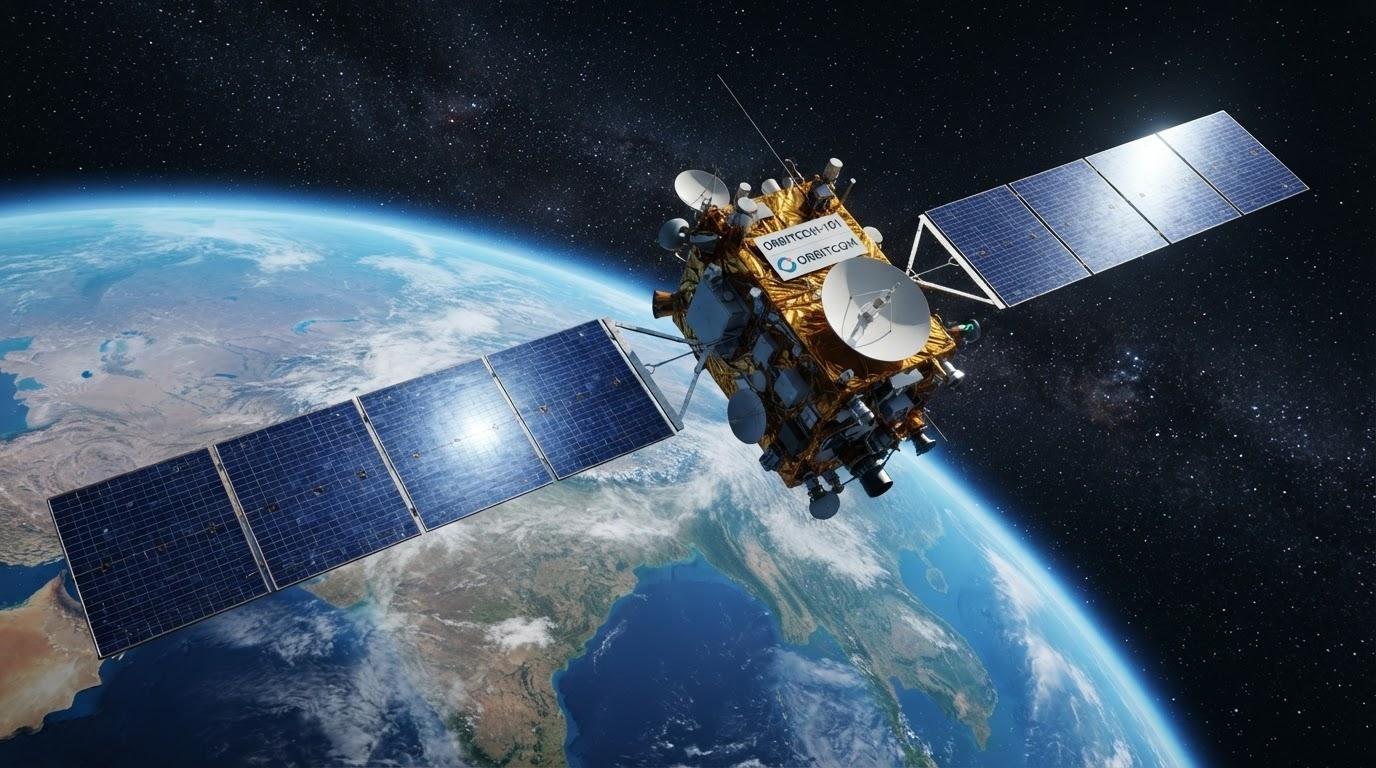
Russia plans to complete a multi-layered satellite communications system by the end of 2030, combining spacecraft in at least three orbital regimes: low Earth orbit (LEO), geostationary orbit (GEO), and highly elliptical orbit (HEO). The architecture aims to provide continuous coverage across the entire Russian territory — including the High North — and deliver a broad portfolio of services, notably satellite Internet of Things (IoT). The announcement came from Alexey Volin, General Director of the state operator Kosmicheskaya Svyaz (Space Communications), in an interview with TASS.
Key Points - Target: fully operational three-orbit constellation by end of 2030 - LEO: low latency (20–50 ms), high throughput, dense constellation required - GEO: wide-area coverage, ~35,786 km altitude, 0.7–0.8 s latency - HEO: optimized for high latitudes (Arctic), long dwell time over northern regions - Services: satellite IoT, broadband, telephony, broadcasting - Lead entity: JSC "Kosmicheskaya Svyaz" (CEO Alexey Volin)
Why Three Orbits? Each orbital regime solves a different piece of the coverage–latency–capacity puzzle. Geostationary satellites park over the equator at ~35,786 km, giving each spacecraft a footprint covering roughly one-third of the planet. One bird serves a massive area, but the round-trip signal path imposes 0.7–0.8 seconds of latency — acceptable for TV or email, prohibitive for real-time control loops, industrial automation, or vehicle-to-everything (V2X) messaging. Low Earth orbit satellites operate at 500–1,200 km altitude. The short propagation path cuts latency to 20–50 ms, on par with terrestrial 4G/5G. The trade-off: each LEO satellite covers a small spot, so continuous coverage demands hundreds of spacecraft (as Starlink and OneWeb demonstrate). Russia is building its own LEO constellations under programs like Sfera, Berkut, and Marathon. Highly elliptical orbits (HEO, Molniya/Tundra type) are a strategic asset for a country spanning the Arctic. HEO spacecraft spend most of their orbital period lingering over high northern latitudes, providing high elevation angles and reliable visibility where GEO satellites sit too low on the horizon — or remain invisible. HEO fills the Arctic coverage gap that neither GEO nor LEO alone can economically address.
Implications for IoT and the Economy Satellite IoT is more than "connectivity for sensors." It is critical infrastructure for: - Pipeline monitoring (oil, gas, products) across thousands of kilometres of remote terrain - Telematics for Russian Railways rolling stock and road transport on the Northern Sea Route - Precision agriculture in regions lacking terrestrial networks - Environmental surveillance (wildfires, pollution, ice conditions) - Secure communications for EMERCOM, defence, and government agencies in the Arctic zone Full deployment by 2030 implies a cadence of dozens of launches over the next 5–6 years, build-out of ground segment (gateways, data centres, control centres), and integration with domestic IoT platforms (e.g., Rostec's Unified IoT Platform, Rostelecom solutions). Success will define Russia's technological sovereignty in M2M/IoT for the coming decade.
Source: iXBT.com