New US data centers could wipe out 15 years of emission cuts
According to Sierra Club, new US data centers could spike CO2 emissions by 2030 and reverse years of environmental progress.
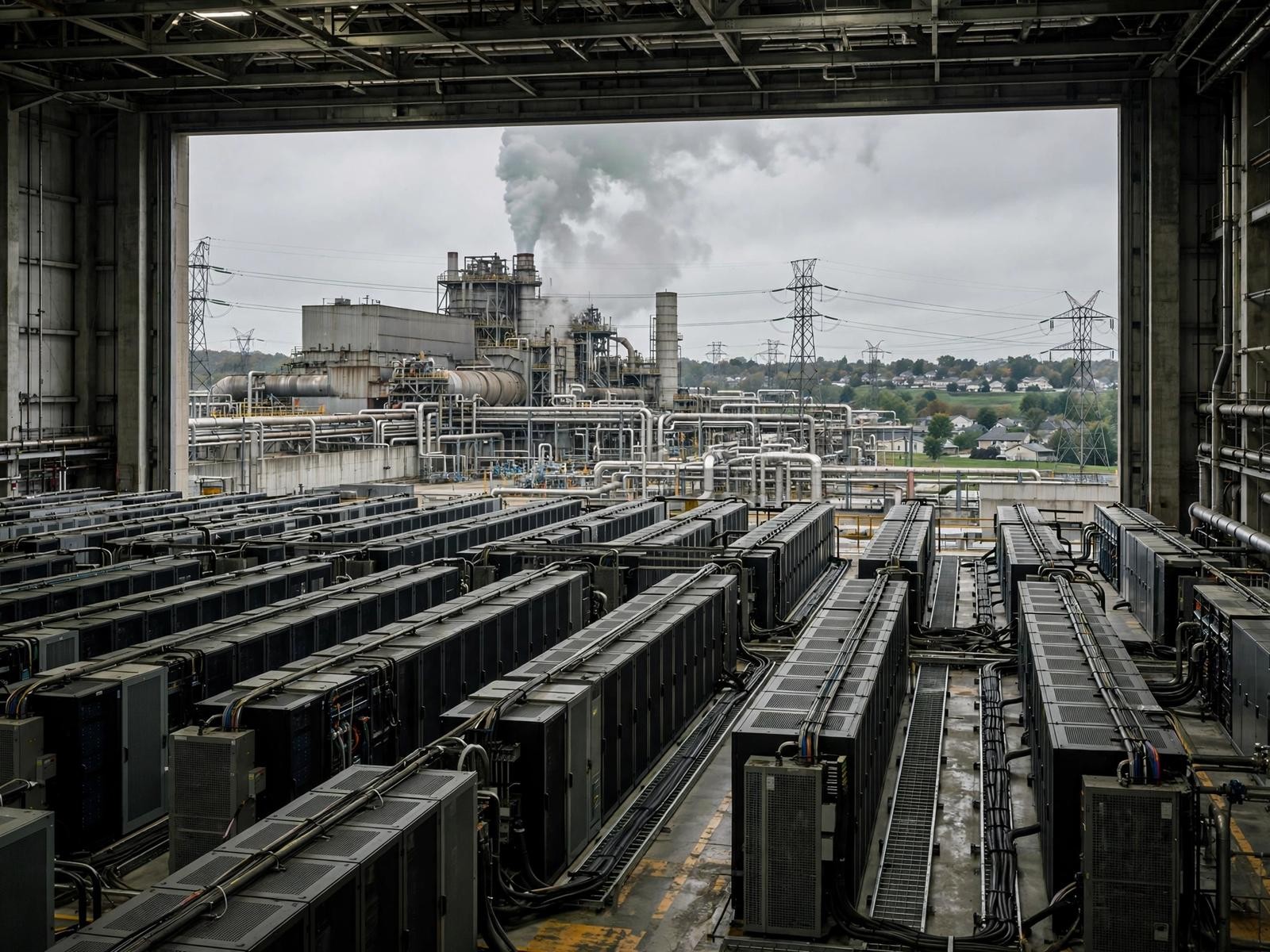
New data centers planned in the United States could completely wipe out 15 years of greenhouse gas emission reductions if launched on schedule. This conclusion comes from a fresh analysis by the environmental organization Sierra Club, as reported by Bloomberg.
- Surging CO2 emissions: US power sector emissions could reach 2.1 billion tons annually by 2030, up 42% from 2025 levels.
- Core issue: Grid capacity shortages forcing companies to build on-site fossil fuel generators.
- Real-world impact: Elon Musk's Memphis data center project drawing local backlash over air pollution.
Electrical grid shortages and capacity limits
The massive energy demands of modern data centers have exposed critical bottlenecks in power grid capacity. Infrastructure upgrades simply cannot keep pace with the rapid construction of new facilities required for artificial intelligence and cloud computing.
Because local grids cannot supply sufficient power, several tech operations choose to build their own power plants directly on-site or nearby. These installations frequently rely on fossil fuels, including natural gas, to guarantee uninterrupted power.
Read alsoRunware to build mass production plant for AI data centersFossil fuels and localized air pollution
Using on-site fossil fuel generators directly increases greenhouse gas emissions and can severely degrade air quality in surrounding residential areas. Environmental compliance and permitting rules are becoming major hurdles for such setups.
A prominent example is Elon Musk's major data center project in the Memphis area, Tennessee. Numerous gas generators are deployed there to supply energy, raising serious health and environmental concerns among local residents.
Environmental pushback and project risks
The Sierra Club's grim forecast ultimately depends on how many planned facilities are actually built and launched. Increasing pressure from local communities, environmental groups, and rising legal costs are already raising the risk of project cancellations.
Expanding infrastructure for AI is thus turning from a purely technological challenge into a critical factor influencing national climate policy.
What this means for the tech industry
As AI expansion collides with environmental limits, tech companies face growing pressure to secure genuinely green energy sources. Balancing rapid digital transformation with climate goals will define the future regulatory landscape for data centers.
Source: iXBT.com