Starlink to increase network capacity by 100x to 80 Pbps in three years
SpaceX plans to boost Starlink's total satellite network capacity to 80 Pbps within two to three years using new V3 and V4 generation spacecraft.
SpaceX aims to increase the bandwidth of its Starlink satellite network by approximately 100 times over the next two to three years. Entrepreneur Elon Musk shared these projections during an interview with Ron Baron. If the forecast holds true, the system's total capacity could surge from the current 800 Tbps to 80 Pbps.
- Musk promised to increase Starlink network capacity by 100 times.
- Total system capacity will grow from 800 Tbps to 80 Pbps.
- Growth will be driven by new V3 and V4 generation satellites.
- SpaceX may also acquire a traditional telecom operator in the future.
Next-Generation Starlink V3 and V4 Satellites
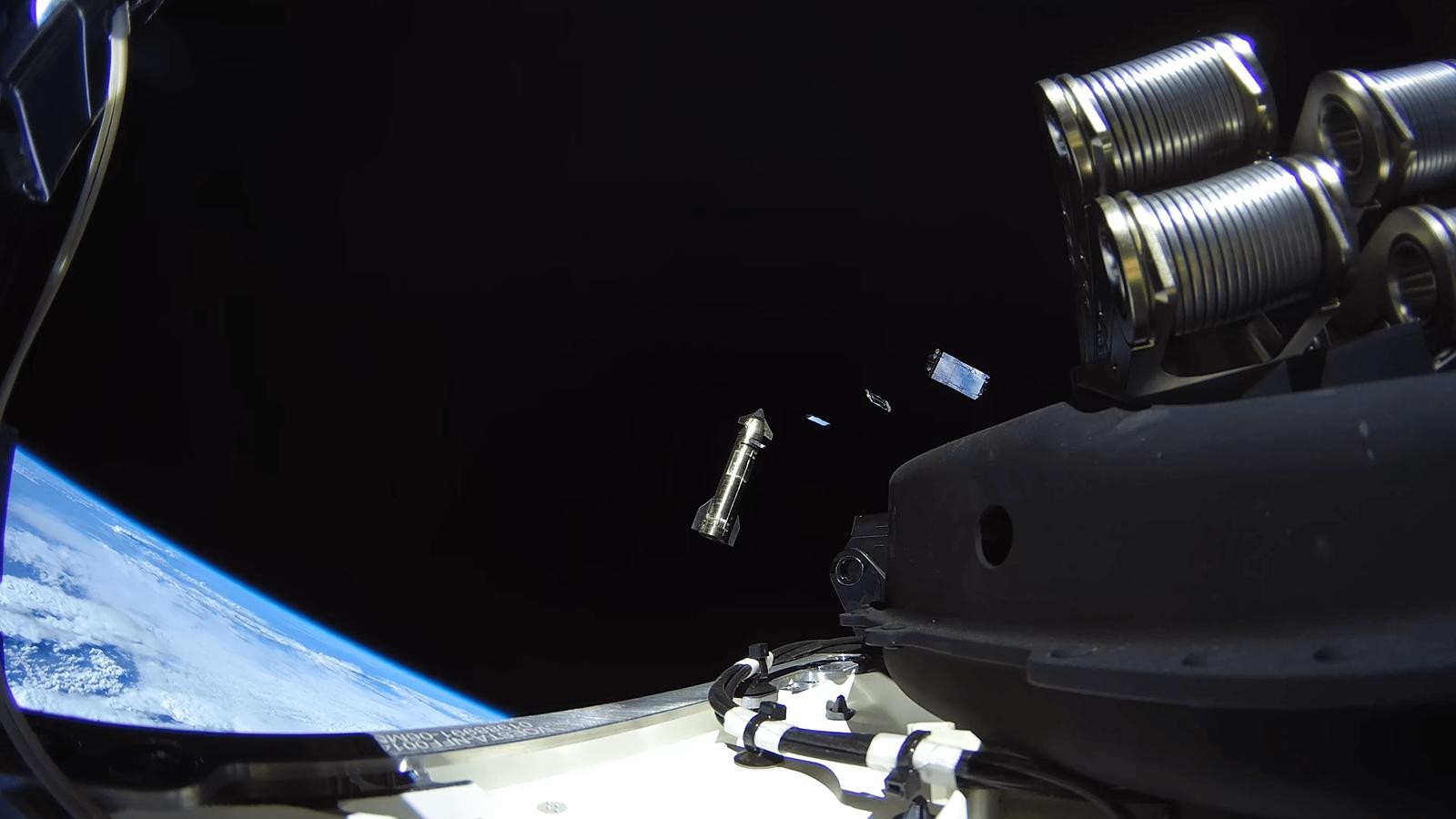
Currently, around 11,000 Starlink satellites orbit the Earth, with the majority belonging to the V2 version. However, the company has already begun launching V3 spacecraft, each boasting capabilities more than ten times superior to their predecessors. The first 26 operational V3 satellites were deployed during the 14th flight test of the Starship rocket in September.
The next milestone will be the transition to the V4 version. According to Musk, these units will be roughly ten times more powerful than V3 satellites. By deploying significantly more next-generation spacecraft into orbit, SpaceX intends to multiply the overall network throughput exponentially.
Read alsoSpaceX expects quarterly revenue to reach $25 billion by late 2026Scale and Infrastructure Development Plans
It is worth noting that the mentioned 800 Tbps represents the total throughput of the entire satellite constellation rather than the connection speed for an individual subscriber. A hundredfold increase in this metric will allow the network to serve a substantially larger user base and handle massive volumes of data traffic seamlessly.
Additionally, the SpaceX CEO hinted that the company might acquire a traditional telecommunications firm in the future. Such a move would grant access to additional radio frequencies and allow for more efficient utilization of the existing frequency spectrum, although Musk did not disclose any specific acquisition targets.
What This Means for the Industry
These ambitious scaling plans highlight SpaceX's commitment to dominating the global satellite internet market. Expanding total network capacity to 80 Pbps solidifies Starlink's infrastructure readiness to support heavy enterprise loads, maritime, aviation, and millions of residential users worldwide without compromising performance.
Source: iXBT.com