Starship 15th Test Flight: SpaceX Prepares to Catch Both Rocket Stages
SpaceX prepares for the 15th Starship test flight, aiming to catch both the ship and Super Heavy booster with the Mechazilla tower and deploy 26 Starlink V3 satellites.
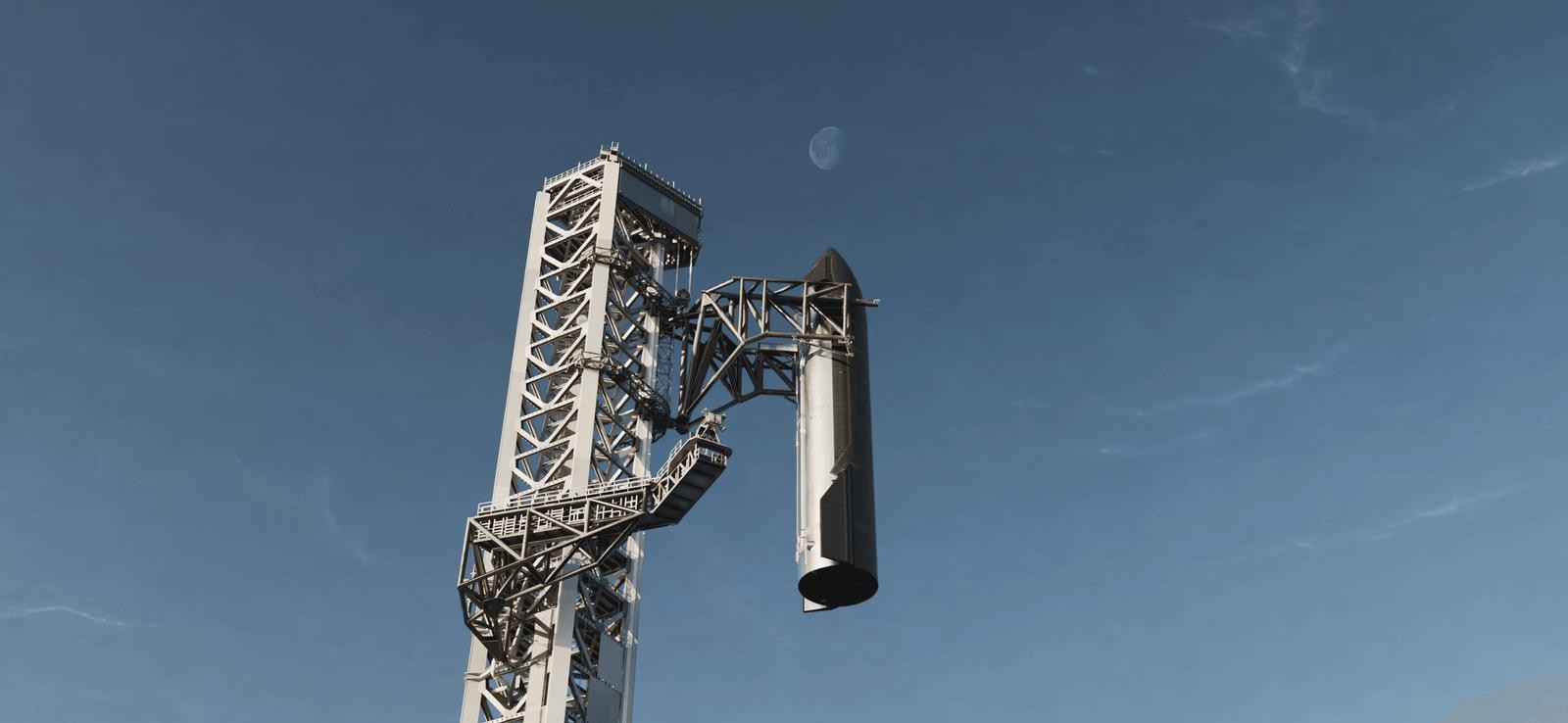
SpaceX is actively preparing for the 15th flight test of the Starship rocket system, which could become one of the most critical milestones in the development of heavy orbital transport. During this upcoming mission, the company plans for the first time to return and catch both stages of the system—the Starship spacecraft and the Super Heavy booster—using the Mechazilla mechanical arms at the launch site. The launch is scheduled for November 14, pending the receipt of all necessary regulatory approvals.
- SpaceX schedules the 15th Starship test flight for November 14.
- For the first time, both the Starship and Super Heavy V3 booster will be caught by the Mechazilla tower.
- The spacecraft will deploy 26 Starlink V3 satellites providing an additional 26 Tbps of network capacity.
- Starship will spend over 22 hours in orbit, completing approximately 14 orbits around Earth.
Main Objectives of the 15th Starship Flight Test
If successful, this test will mark a historic breakthrough in achieving rapid and regular full reusability for orbital-class rockets. While SpaceX has previously caught older versions of the Super Heavy booster, this will be the first attempt for the upgraded Super Heavy V3 hardware. The primary objective for the booster is to execute the complete return sequence: performing a boostback burn, flipping, and navigating precisely back to the Starbase tower for a mechanical capture.
For the Starship spacecraft, a separate comprehensive program is planned. The ship will enter an orbit approximately 275 kilometers high and remain there for over 22 hours, completing roughly 14 orbits around the Earth. The return maneuver back to the launch site will only proceed if telemetry confirms the nominal health of all critical systems required for atmospheric re-entry and tower proximity maneuvers, with alternative safe landing scenarios prepared as backups.
Read alsoSpaceX to attempt simultaneous catch of both Starship stages in flightStarlink V3 Deployment and Heat Shield Upgrades
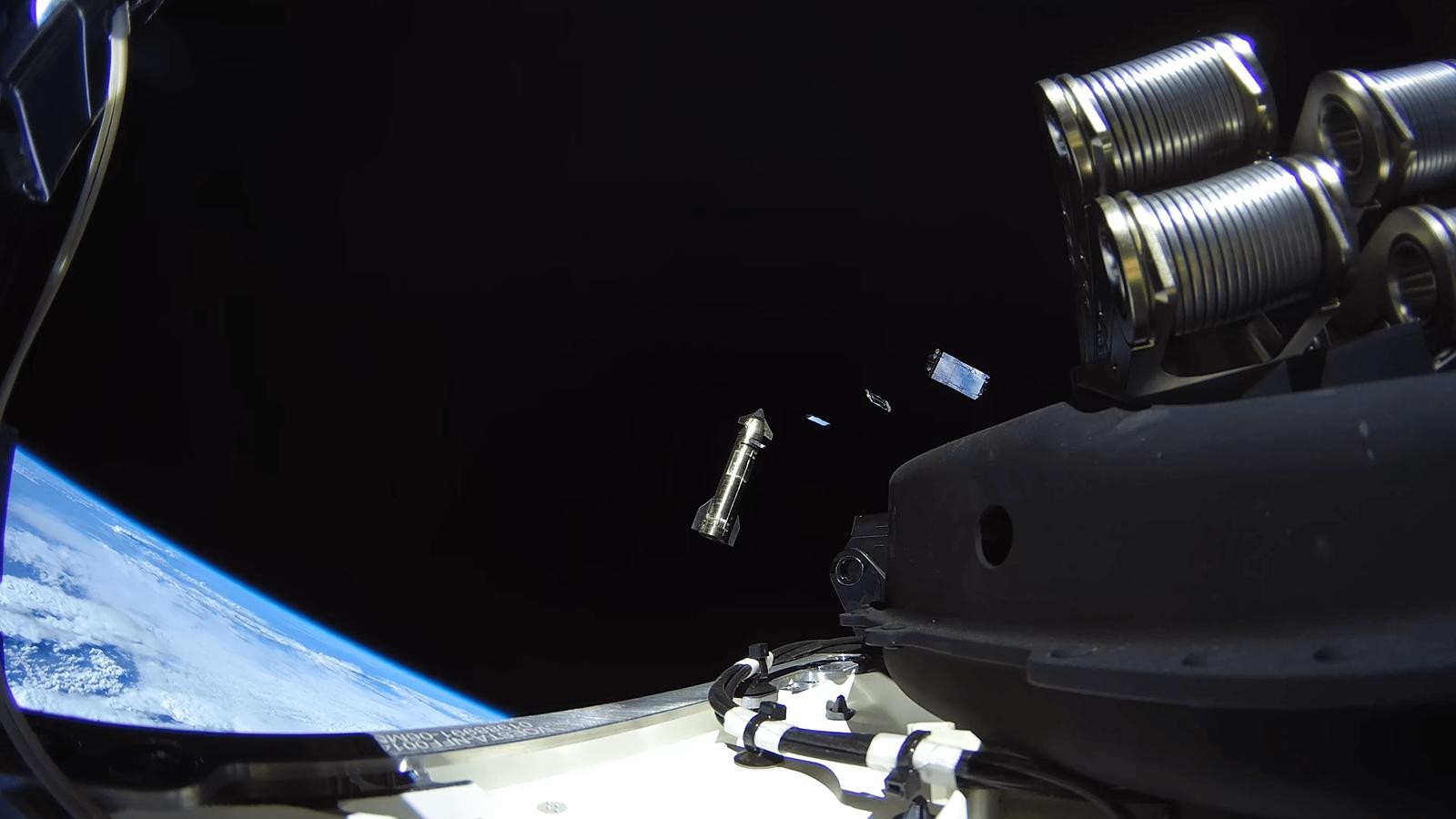
In addition to testing the catch maneuver, Starship will carry and deploy 26 next-generation Starlink V3 satellites into orbit. According to SpaceX, each satellite will add roughly 1 Tbps of capacity to the network, meaning the entire batch will deliver around 26 Tbps of extra throughput—comparable to the capacity provided by ten Falcon 9 launches carrying Starlink V2 Mini payloads. Once deployed, the satellites will autonomously raise their orbits and begin servicing users within weeks.
To monitor structural integrity, three satellites will feature dedicated external cameras designed to film Starship's heat shield during atmospheric re-entry. These images will help engineers evaluate tile durability after enduring extreme plasma heating. The thermal protection system also incorporates design refinements tested during the 14th flight, including supplemental attachment pins in high-stress zones and curved tile geometries to minimize plasma heating within structural gaps.
Source: iXBT.com