Tesla Autopilot and FSD face scrutiny after fatal crashes
Recent fatal crashes involving Tesla Autopilot and FSD spark new safety debates. Waymo criticizes camera-only tech, while IONNA expands charging.
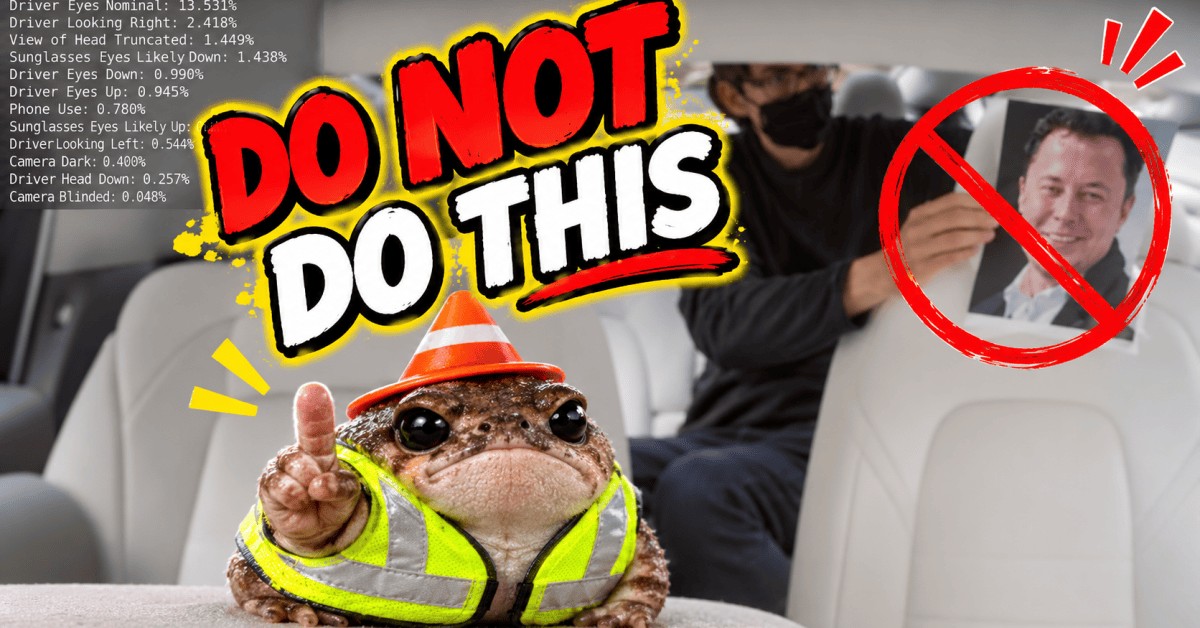
In the latest high-impact episode of Electrek's Quick Charge podcast, a new wave of fatal Tesla crashes allegedly involving Autopilot and FSD has taken center stage. These tragedies have raised familiar questions about the safety limits of driver-assistance systems and whether effective safeguards are being prioritized by automakers.
- A series of fatal Tesla crashes involving active Autopilot and FSD makes headlines.
- Waymo CEO explains the limitations of Tesla's camera-only autonomous driving approach.
- Tesla tightens driver monitoring in Europe while loosening restrictions in the US.
- IONNA enables Plug & Charge support for Tesla and opens a 22-bay site in Westminster, CA.
Safety concerns and NHTSA data
Ongoing investigations into NHTSA data regarding hidden fatal crashes have brought several tragic incidents to light. In multiple cases, vehicles were traveling at high speeds with Autopilot or FSD engaged before crossing medians or striking stationary trucks, resulting in fatalities. These incidents bear striking similarities to older crashes under comparable conditions.
While advanced driver assistance systems (ADAS) undoubtedly help many drivers avoid everyday road hazards, irresponsible behavior by certain owners—such as sleeping at the wheel or filming traffic violations for social media clout—continues to damage the public reputation of autonomous tech.
Read alsoTesla installs Giga Press machines at new Optimus robot factoryIndustry comparisons and regulatory differences
The debate over sensor suites heated up as Waymo's CEO detailed why Tesla's camera-only approach falls short compared to systems utilizing lidars and radars. The lack of redundant sensors can leave vehicles vulnerable in complex low-visibility or unexpected road scenarios.
Interestingly, Tesla's regulatory strategy varies by region. The automaker recently toughened its driver monitoring requirements in Europe to comply with local regulations, while simultaneously loosening certain monitoring parameters in the United States.
Infrastructure updates with IONNA
Beyond autonomous driving news, EV charging infrastructure continues to expand. IONNA has officially enabled Plug & Charge capabilities for Tesla vehicles and opened a major 22-bay charging station in Westminster, California, simplifying the charging experience for drivers.
What this means for the industry
These developments highlight the ongoing friction between rapid technological deployment and real-world safety. For the automotive industry, balancing advanced automation with strict driver oversight remains a critical challenge moving forward.
Source: Electrek