Tesla keeps its Cybercab NHTSA safety responses secret
Tesla has requested that regulators seal all responses regarding how its steering-wheel-less Cybercab meets federal safety standards.
·2 min read
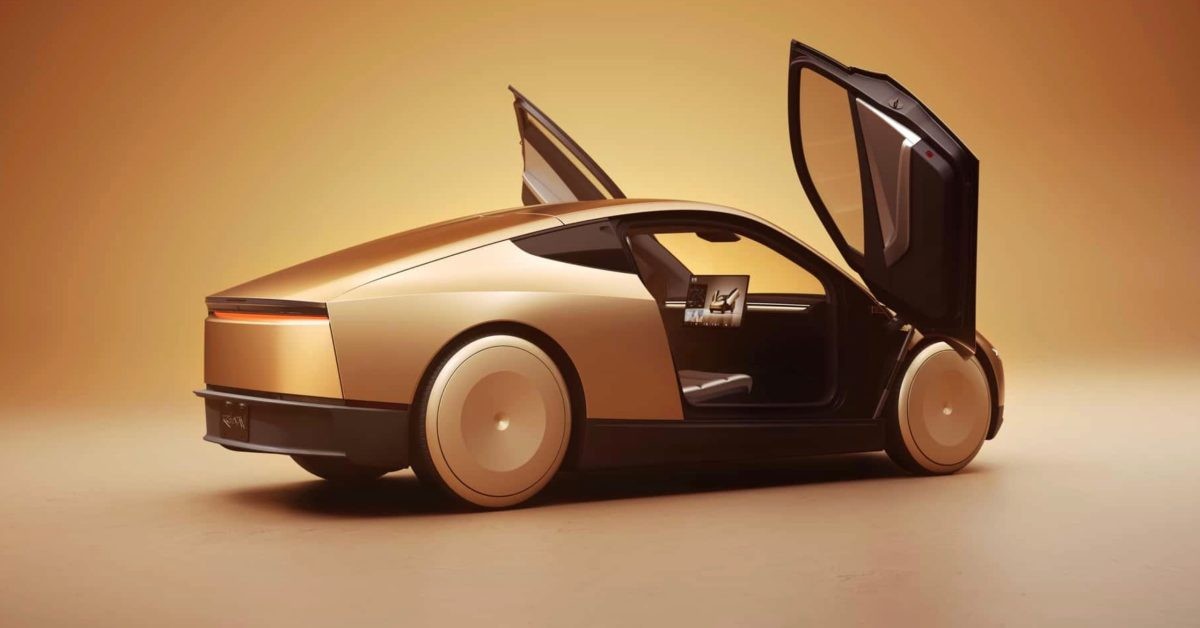
Tesla has officially responded to the NHTSA's Special Order demanding proof that its Cybercab meets federal safety standards. The submission, delivered by the October 30 deadline, requests that the agency keep the entirety of the filing confidential from the public.
- Tesla has blacked out all details regarding the certification of a vehicle lacking steering wheels, pedals, and mirrors.
- The only public document is a 30-page interaction guide for first responders, previously available online.
- NHTSA specifically questioned compliance with FMVSS standards that require manual braking and turn-signal controls.
- The agency must now decide whether to uphold Tesla’s sweeping confidentiality claim or release the documents.
The Regulatory Challenge The NHTSA audit was triggered after Tesla began charging for Cybercab rides in Austin without obtaining the formal exemptions required for vehicles lacking traditional controls. Unlike Zoox, which publicly applied for and received a Part 555 exemption, Tesla claimed to have self-certified the vehicle. The agency’s 21 questions targeted critical safety gaps, including how a vehicle without foot-controlled service brakes can satisfy the Federal Motor Vehicle Safety Standards (FMVSS).
Legal and Transparency Issues Tesla’s submission to the agency docket was largely empty, containing only a cover letter asserting that all information constitutes confidential business data. This move contrasts sharply with industry standards set by competitors like Waymo, which provide extensive safety framework documentation to the public. By shielding its legal theory of certification, Tesla has prevented the public and regulators from independently verifying the basis for its claims of compliance.
Implications for Autonomous Tech This case highlights the growing friction between rapid tech deployment and federal oversight. For the broader automotive industry, the resolution of this confidentiality dispute will set a precedent. If Tesla succeeds in sealing these documents, it may complicate future safety evaluations for autonomous systems globally. For regulators, the challenge remains to ensure that innovation does not bypass critical safety requirements while maintaining the integrity of the certification process.
Source: Electrek