Why I moved away from cloud storage to my own home server
Discover how abandoning cloud subscriptions in favor of a home-hosted server for photos, documents, and game servers saved money and added control.
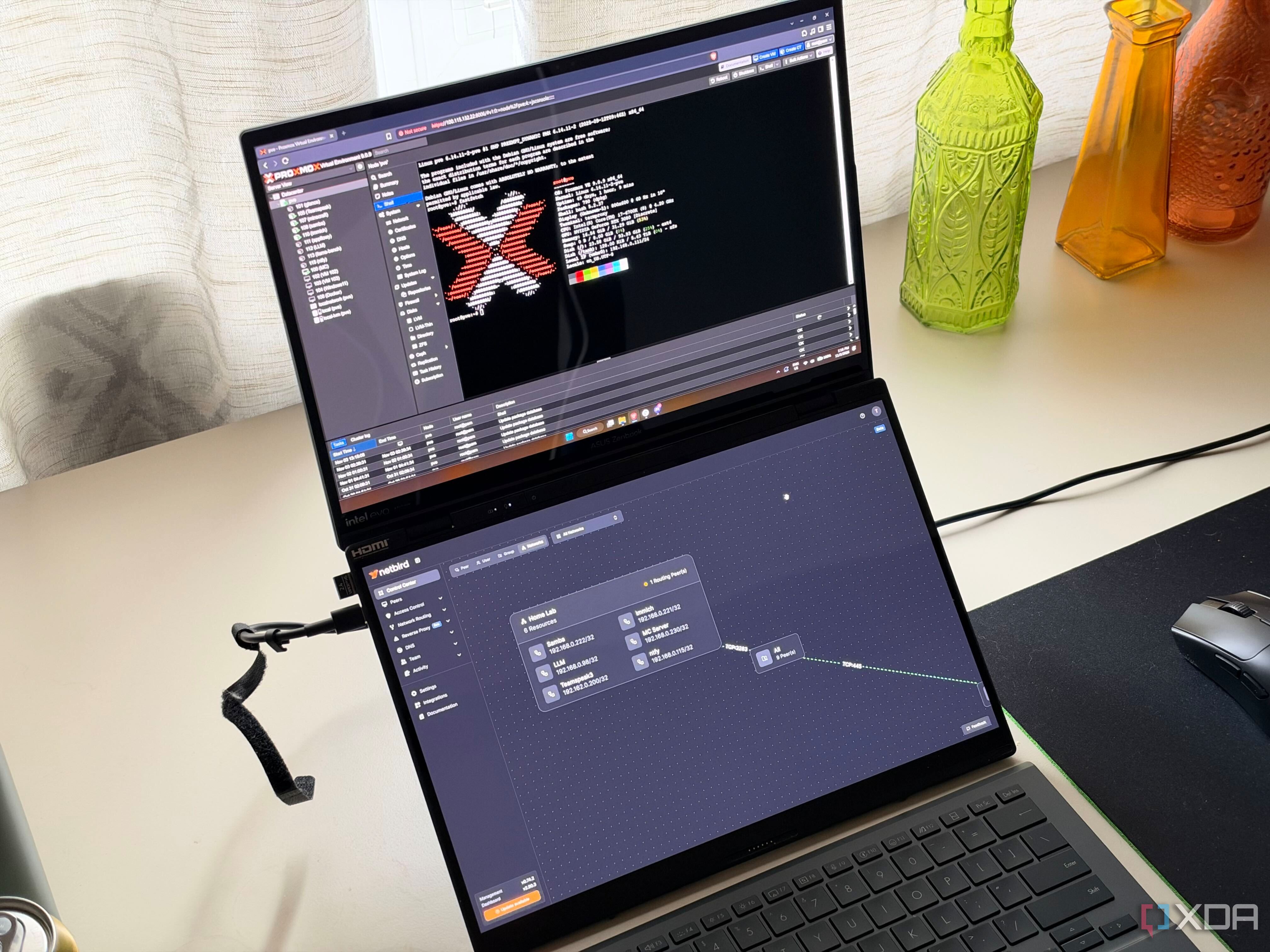
Until recently, the author's digital life relied heavily on third-party cloud data centers for storage, photos, and AI queries. However, repurposing an old gaming PC into a home lab with an older i7 processor and enterprise hard drives allowed them to drop six cloud subscriptions entirely. Shifting everything to a local home network proved to be a practical and rewarding upgrade.
- Replacing expensive cloud subscriptions with a DIY home server using old hardware.
- Migrating photo backups, document shares, AI models, and game servers locally.
- Gaining full control over personal data while eliminating monthly recurring costs.
Replacing Google Photos and iCloud with Immich
The standout migration was moving photo storage to Immich, an open-source alternative that matches cloud convenience. The mobile app handles background backups seamlessly, while facial recognition and smart search run locally, accelerated by an RTX 3080 GPU. Transferring a massive photo library requires an initial overnight sync, but future backups run effortlessly.
Setting up local file shares with Samba and Proxmox
Read alsoTesla and SpaceX in Texas: What the Democratic sweep means for Elon MuskDocument storage and general backups were moved off Google Drive onto a Samba share running inside a lightweight Proxmox LXC container. Utilizing the SMB protocol ensures compatibility across Windows, macOS, and Linux systems. Operating on a 2.5GbE home network makes file transfers just as fast as downloading from the cloud, though proper offsite backups remain a future task.
Local AI models and self-hosted game servers
Running Ollama with Open WebUI on local hardware handles routine chatbot tasks using mid-sized models, eliminating the need to send basic queries to commercial APIs. Additionally, monthly rental fees for Minecraft and Counter-Strike game servers were dropped, as the home lab's hardware easily accommodates multiplayer sessions alongside other network services.
What this means for tech enthusiasts and businesses
Managing your own infrastructure requires effort, including setting up uninterruptible power supplies and redundant backups. Nevertheless, taking back control of personal services and cutting out monthly subscriptions is a major victory. Anyone wanting to start their own home lab should begin with whatever spare PC hardware they already have available.
Source: XDA