Wikimedia Foundation weighs in on NYT lawsuit against OpenAI
The Wikimedia Foundation has filed a brief in the New York Times lawsuit against OpenAI, warning that extreme rulings threaten the open web.

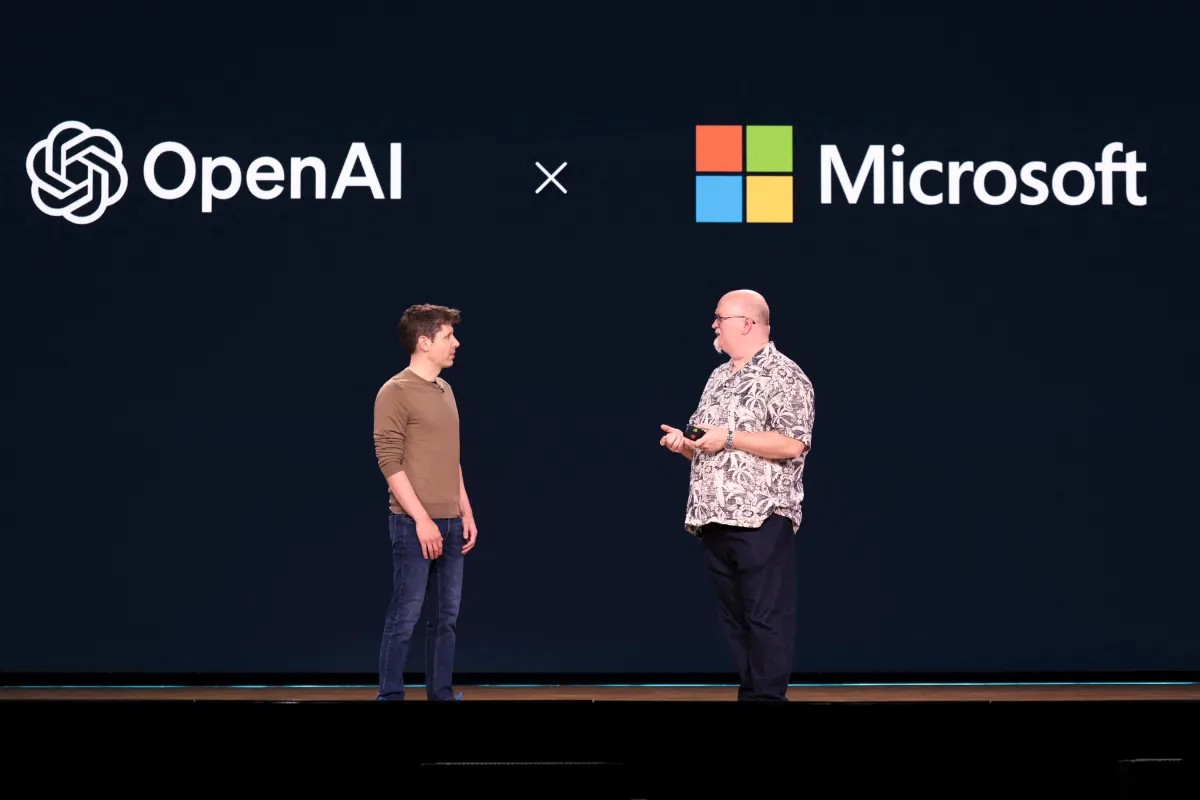
The organization behind Wikipedia, the Wikimedia Foundation, has officially weighed in on the high-profile copyright lawsuit launched by The New York Times against OpenAI and Microsoft. The platform filed an amicus brief urging the court to adopt a nuanced approach regarding whether using published content for AI training violates copyright law.
- The Wikimedia Foundation warns that extreme rulings in either direction could threaten the open web and innovation.
- The organization advocates for a third way that balances copyright protection with technological advancement.
- Fair use principles should apply to specific AI training scenarios and RAG technologies under certain conditions.
- This ongoing lawsuit is expected to set a critical legal precedent for the entire tech industry.
Arguments from both sides of the legal battle
The New York Times argues that artificial intelligence companies should not be granted free rein over their published content without authorization or compensation. On the other hand, OpenAI and Microsoft maintain that training and deploying AI models using published data is entirely necessary for modern technological progress and falls squarely under the definition of fair use.
The Wikimedia Foundation, however, is seeking a balanced third alternative. The organization warns that a restrictive version of fair use could stifle vital tech innovations, while a blanket approval of fair use could lead to a closed web where knowledge degrades due to a lack of reliable secondary sources.
Read alsoWikimedia warns bad AI copyright ruling could threaten the open webThe proposed framework by Wikimedia
The platform suggests applying fair use principles to two specific AI use cases: certain model training scenarios and retrieval-augmented generation (RAG). RAG is a technique that optimizes large language model outputs by referencing authoritative external knowledge bases outside the training data.
Despite supporting these methods, the organization does not back RAG if LLMs merely regurgitate pre-existing articles without proper attribution. Regarding model training, scraping copyrighted material should only qualify as fair use when training LLMs that represent something genuinely new and distinct from the original sources.
Broader implications for the open web
Stephen LaPorte, the Wikimedia Foundation's General Counsel, emphasized that failing to apply fair use carefully could threaten the sustainability of free knowledge and open-source tech development. As Wikipedia remains one of the premier human-curated datasets used for training modern LLMs, the stakes for the open web are exceptionally high.
A summary judgment in this prominent lawsuit is anticipated in the near future. While this case is just one of many working its way through the courts, its final outcome could establish an essential precedent for copyright law in the era of artificial intelligence.