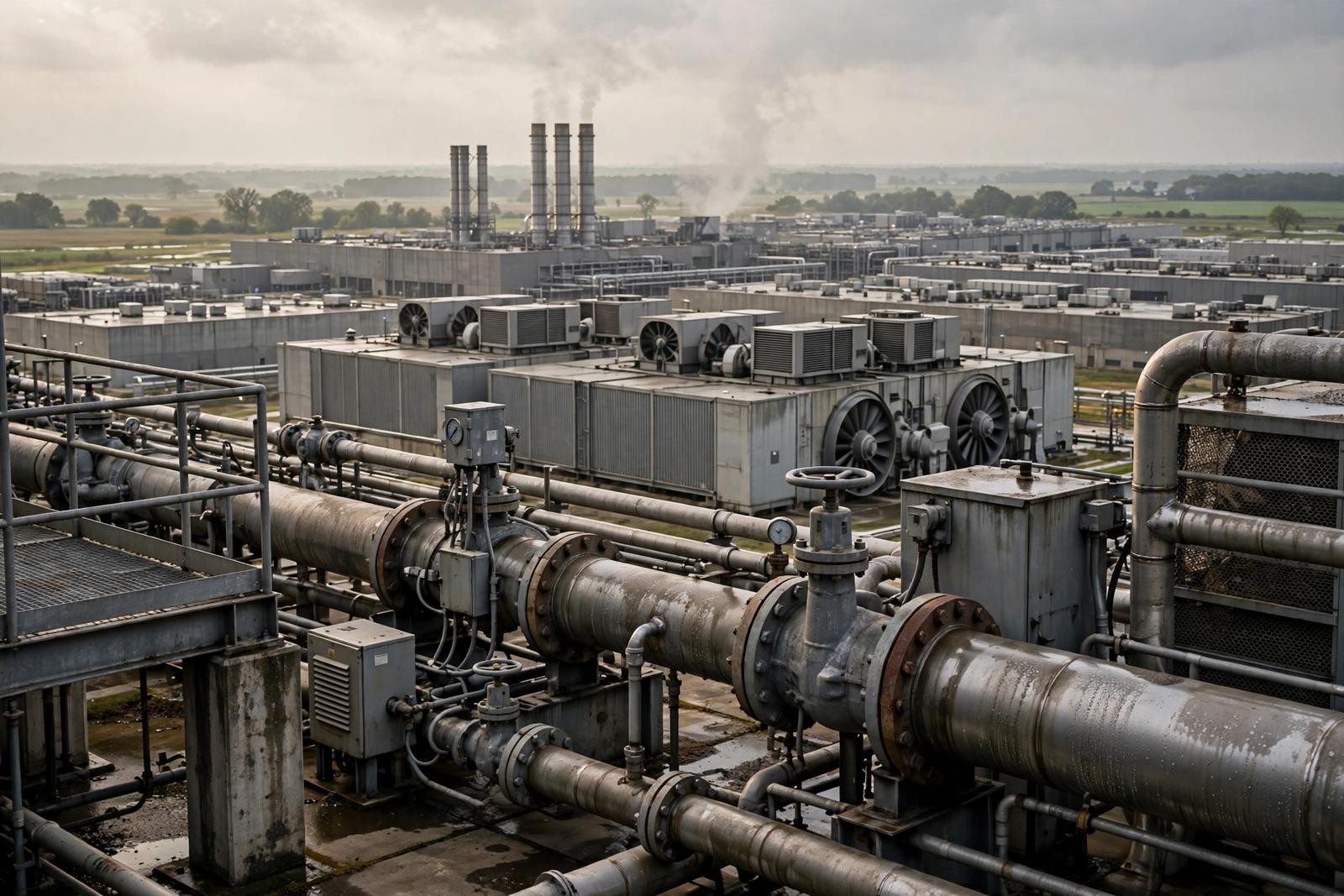
xAI powers data centers with converted jet engines in Mississippi
Elon Musk's xAI is using eight converted jet engine turbines to power a Mississippi data center amid a growing energy shortage.
Elon Musk's artificial intelligence company xAI has turned to an unconventional power source, utilizing eight converted jet engine turbines to run a data center in Mississippi. This move comes as traditional utility companies struggle to keep pace with the massive energy demands required to power modern AI infrastructure.
- Each converted turbine is capable of generating up to 50 megawatts of electricity, enough to power around 15,000 homes.
- The equipment is supplied by ProEnergy, which repurposes unused General Electric turbines typically found on Boeing airplanes.
- Environmental groups have challenged state approval due to concerns over carbon monoxide and volatile organic compound emissions.
- Data centers are projected to use 20% of all U.S. power by 2035, driving companies to seek alternative energy sources.
The Energy Crisis and Jet Turbine Power
Energy availability has become a major bottleneck for the expansion of data centers, with traditional power grids often falling short of required capacities. As demand for AI compute surges, tech companies are exploring extreme measures to ensure uninterrupted operations. To bypass these limitations, xAI has deployed eight repurposed jet engine turbines at its Mississippi facility, each capable of producing up to 50 megawatts of electricity.
While xAI secured the necessary state-level permits for the generators, the decision has ignited significant controversy. The permits reportedly allow for a 25% higher limit in volatile organic compound emissions compared to standard operations. With Elon Musk stating an ambition to increase xAI's data center capacity sevenfold by the end of 2027, securing power quickly has taken precedence over traditional long-term infrastructure planning.
Read alsoSpaceX loses bid to dismiss lawsuit over xAI data center pollutionEnvironmental Concerns and Regulatory Backlash
The Southern Environmental Law Center has actively challenged Mississippi's decision to approve the turbines, arguing that xAI failed to guarantee compliance with emissions standards for pollutants like formaldehyde. Critics also accuse the company of undercounting projected emissions related to its alternative power sources, following previous legal actions over unpermitted gas generators in populated areas.
Public sentiment regarding data centers has soured as facilities face mounting scrutiny over water consumption and power usage. While jet-powered generators offer a fast workaround to power shortages, the resulting carbon monoxide and toxic emissions threaten to worsen local environmental conditions. With half of recent data center buildouts facing delays or cancellations due to power constraints, balancing rapid AI growth with ecological safety remains a monumental challenge.
Source: Latest from Tom's Hardware