2027 Toyota RAV4 PHEV Adds NACS Port and Up to 52 Miles of Range
The 2027 Toyota RAV4 brings major updates, including an integrated NACS port for all PHEV models and an impressive 52 miles of electric-only range.
·2 min read
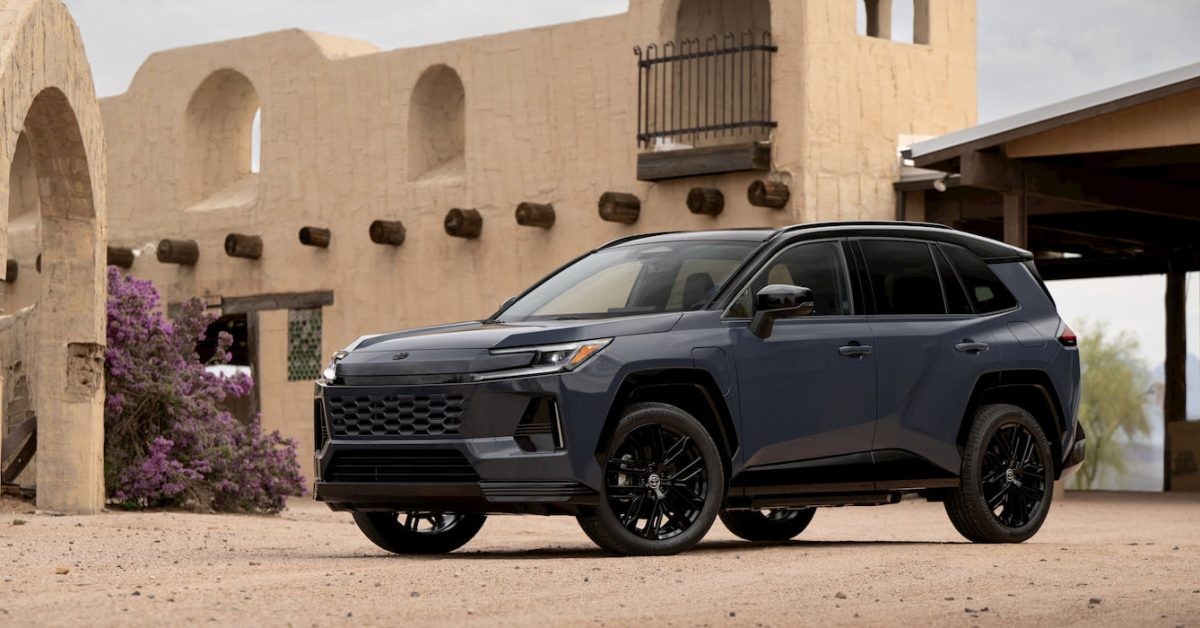
Toyota has unveiled significant upgrades for the 2027 RAV4, most notably adding the NACS charge port to all plug-in hybrid (PHEV) models, further streamlining the transition to standardized charging.
- All PHEV models now feature a native NACS port for Level 3 DC fast charging.
- Electric-only driving range has been extended to 52 miles.
- The vehicle comes standard with Toyota Safety Sense 4.0 suite.
- The base PHEV trim starts at an MSRP of $42,100.
Charging Infrastructure and Powertrain By incorporating the NACS port directly into the vehicle architecture, Toyota allows RAV4 PHEV owners to utilize the extensive Tesla Supercharger network without needing an external adapter. The powertrain, utilizing Toyota's sixth-generation PHEV system, delivers a combined output of 321 horsepower, utilizing a 2.5-liter four-cylinder engine supported by two electric motors.
Model Trims and Performance Features The 2027 RAV4 lineup includes the SE, XSE, Woodland, and GR Sport trims. The Woodland trim stands out with a 9.1-inch ground clearance and enhanced suspension, while the GR Sport offers performance-oriented handling. Inside, drivers benefit from a 12.3-inch digital cluster and an upgraded touchscreen interface with wireless smartphone connectivity.
Safety and Connectivity Standard across the entire 2027 range is Toyota Safety Sense 4.0. This updated system enhances driver convenience and safety through features like Proactive Driving Assist, Lane Departure Alert with Steering Assist, and Full-Speed Range Dynamic Radar Cruise Control, ensuring a robust safety profile for all passengers.
What This Means for the Industry Toyota's decision to standardize NACS across its best-selling SUV indicates a market-wide shift toward a unified charging ecosystem. For global markets and EV enthusiasts, this move confirms that NACS is becoming the primary charging standard, potentially reducing range anxiety and simplifying long-distance travel for plug-in hybrid users.
Source: Electrek