AI Data Centers: Who is Actually Paying for the Energy Boom?
The AI data center boom in the US requires massive power capacity. Discover who pays the bills, why residents protest, and the financial reality.

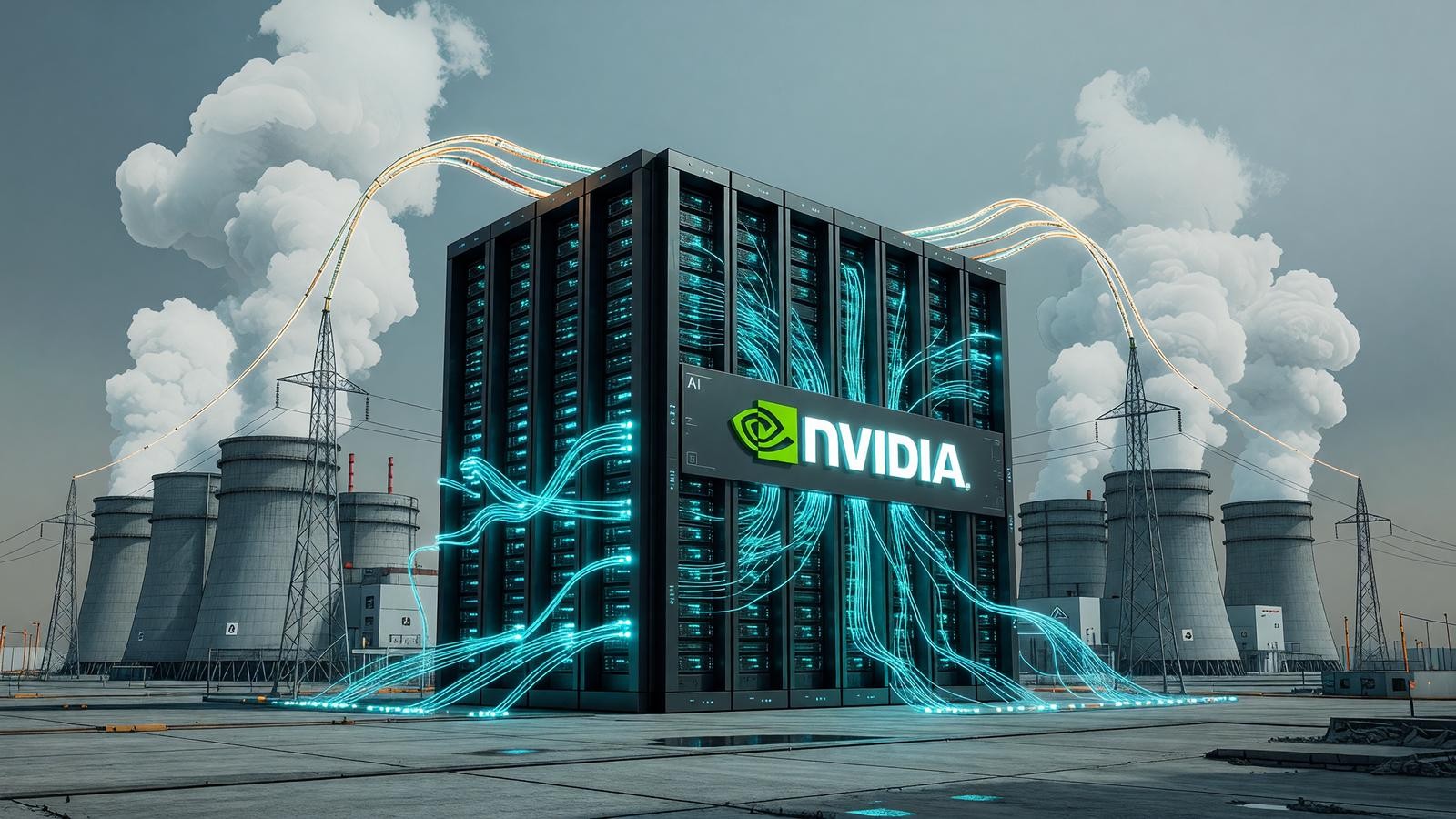
The rapid growth of artificial intelligence has driven a massive demand for computational power, creating unprecedented infrastructure challenges. According to the energy-focused analytical center Cleanview, the total capacity of data centers in the US is about 65 gigawatts, with another 413 gigawatts currently planned. For the largest projects, completion dates are frequently marked as TBD, highlighting the enormous scale of expansion. One gigawatt is enough to power approximately 800,000 American households, meaning that the full realization of these plans would equal connecting hundreds of millions of new homes to the grid.
- Total US data center capacity has reached 65 gigawatts, with 413 gigawatts more in the pipeline.
- Primary public concerns focus on water consumption, noise pollution, and immense electricity usage.
- Tech companies attempt to mitigate local opposition through financial compensation and community funding.
- A striking irony is that protesting citizens often indirectly fund these projects via their own pension funds.
Public Concerns: Debunking Water Myths and Addressing Noise
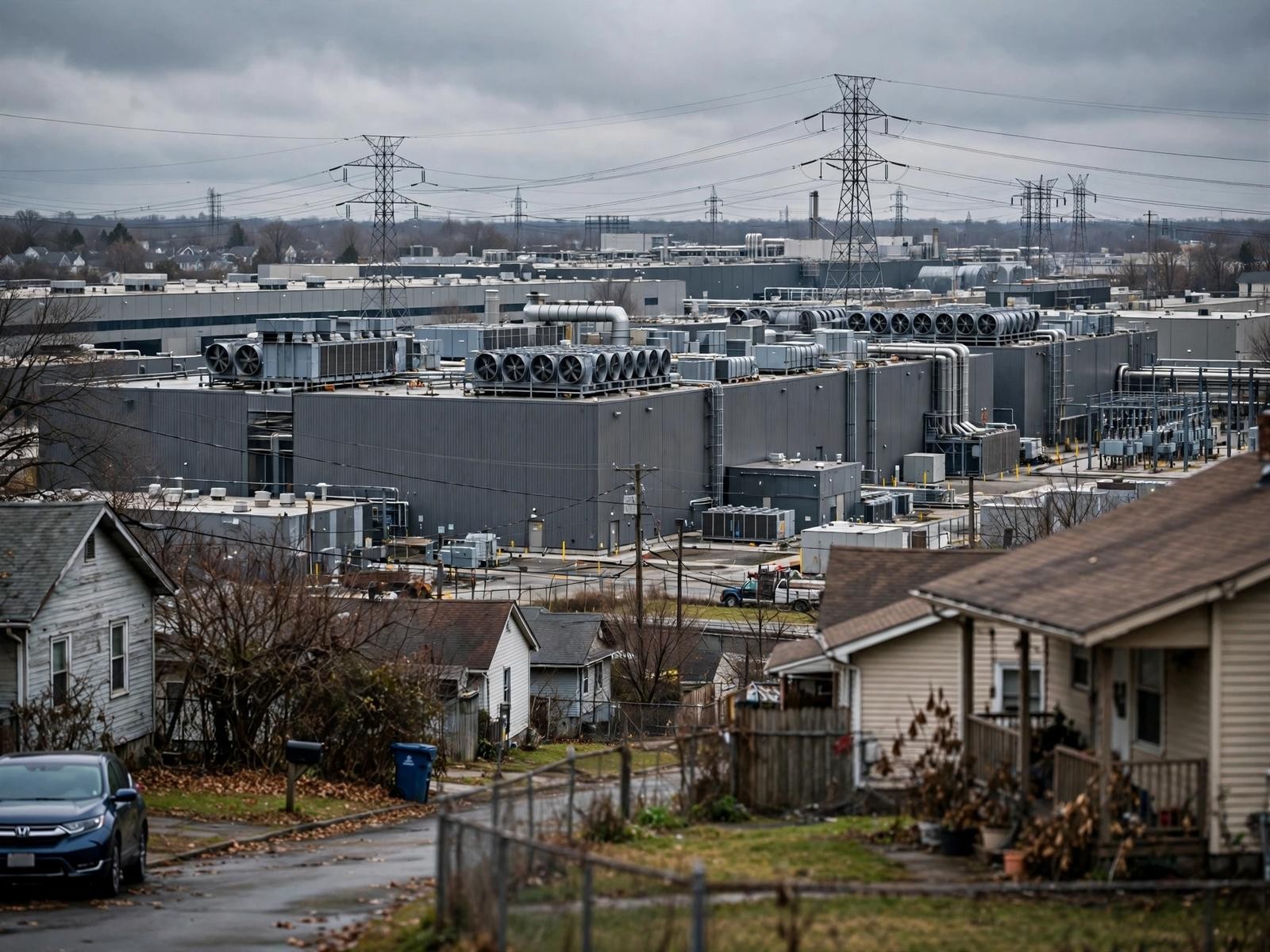
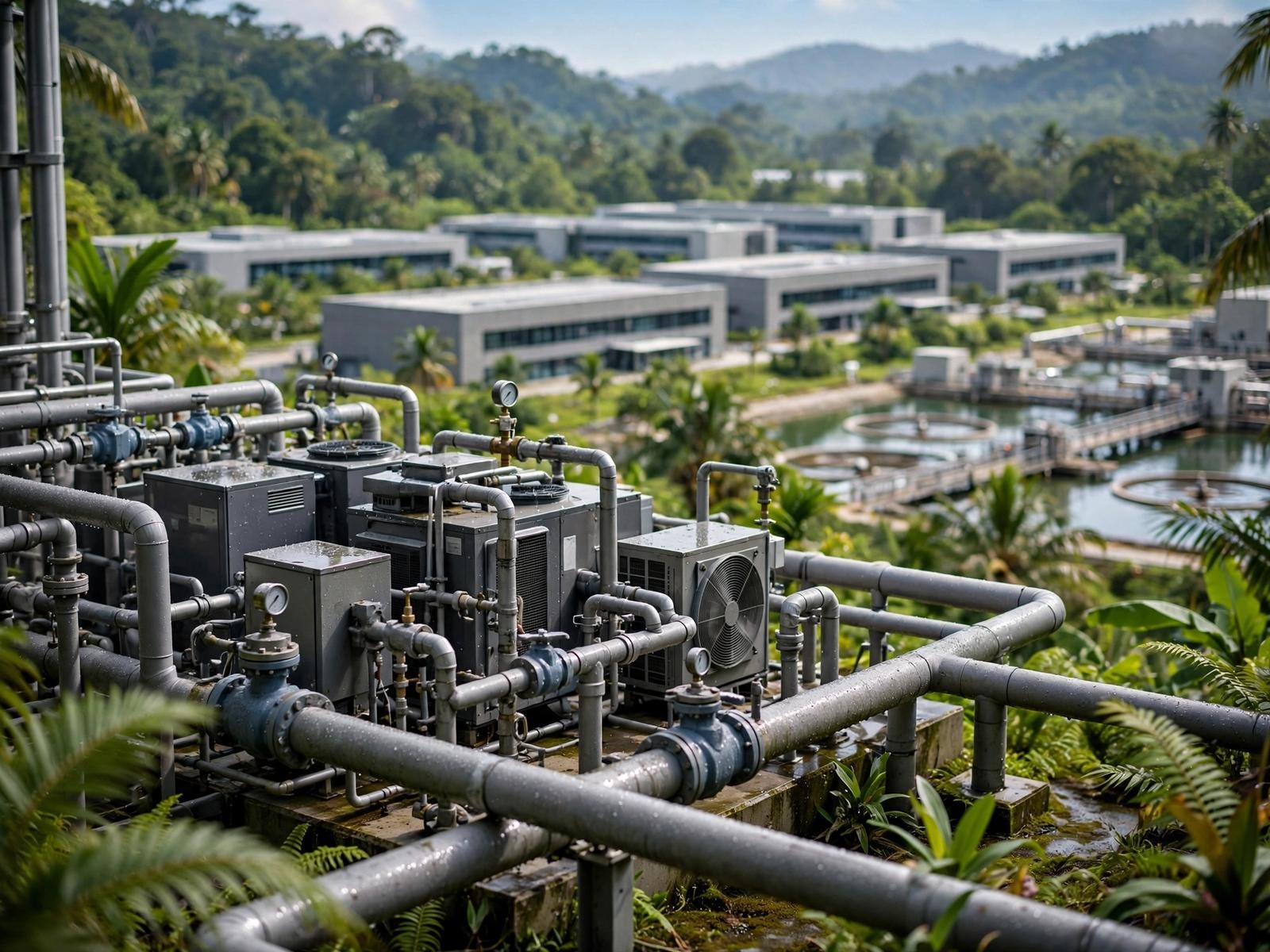
Public sentiment regarding nearby data centers remains largely negative, with polls showing that three out of four Americans would oppose their construction close to home. Complaints typically center on water, noise, and electricity. However, water concerns are often exaggerated, as an average data center consumes roughly as much water as two golf courses, vastly less than agricultural irrigation. Noise is a more legitimate issue, with low-frequency hums and infrasound penetrating walls and causing physical discomfort, though data centers are sometimes confused with much louder cryptocurrency mining facilities.
The Electricity Burden and Financial Realities
Read alsoNvidia plans to turn Brightspeed buildings into micro data centersConcerns regarding electricity consumption are the most grounded. Data centers require massive amounts of power, impacting regional energy grids. While some studies suggest data centers help cover baseline grid maintenance costs in areas with excess capacity, other networks face billions in future capacity payments that data centers do not fully cover. This discrepancy creates friction between grid operators, utility companies, and local residents who fear higher utility bills.
Corporate Financial Incentives and Community Pushback
To win over skeptical communities, tech companies have increasingly turned to financial incentives. Reports show proposals offering cash compensation to residents or substantial tax-funded bonuses for local teachers, funded by data center revenues. Despite these payouts, financial incentives do not always resolve local resistance. Communities continue to push back through zoning board battles and referendums, leaving local politicians caught between lucrative tax revenues and voter dissatisfaction.
Source: Все публикации подряд на Хабре