AI glasses can they replace your prescription glasses
Discover whether AI glasses can replace your everyday prescription eyewear, exploring the pros, cons, weight, battery limits, and privacy issues.
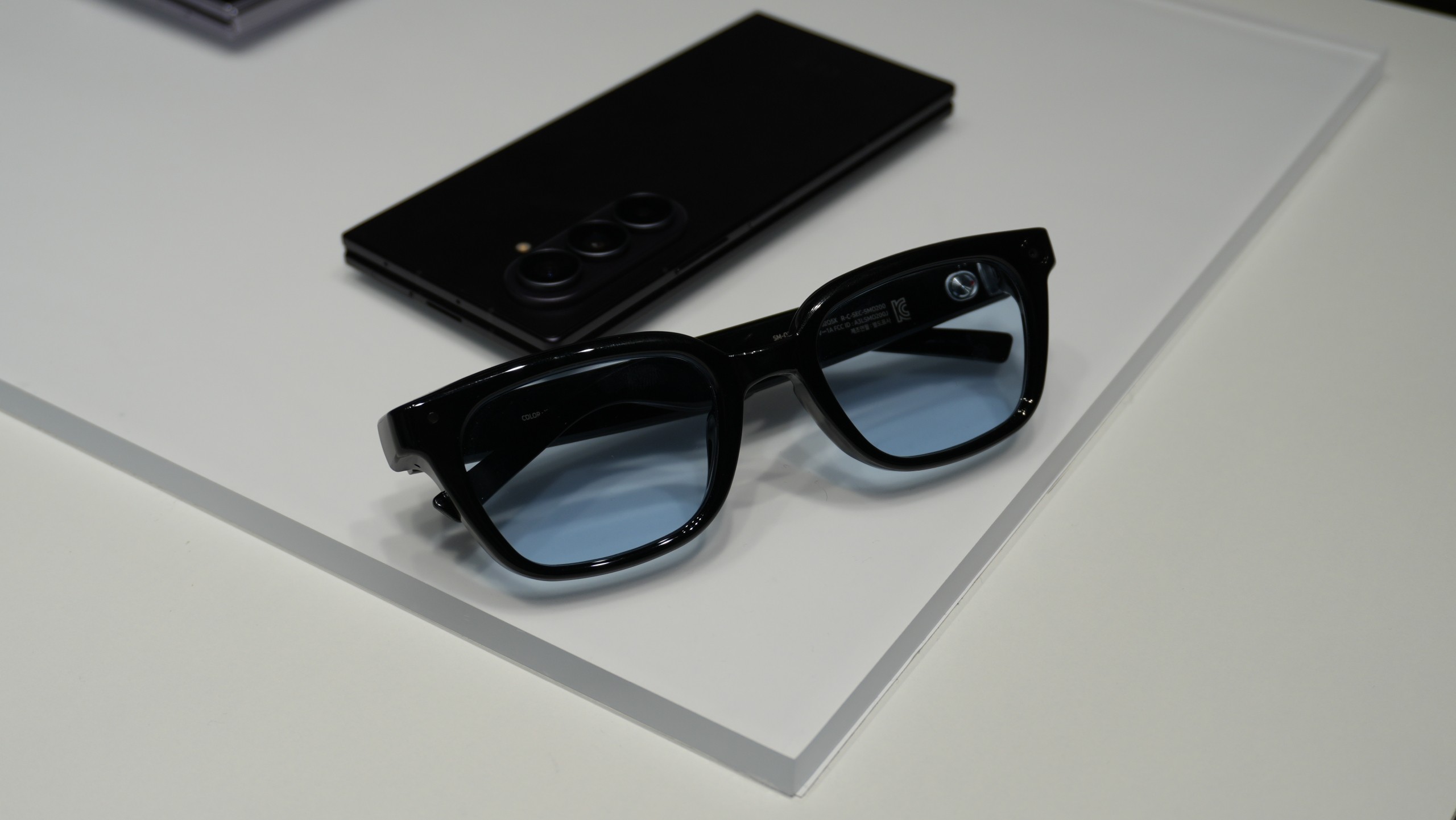
Artificial intelligence smart glasses have gained massive popularity, leading many daily glasses wearers to wonder if they can completely switch to AI-powered eyewear. While it is entirely possible to purchase smart glasses equipped with prescription lenses, there are several crucial factors to weigh before making such an investment.
- AI glasses are available to order with custom prescription lenses.
- Significantly heavier than regular frames, reaching up to 80 grams.
- Battery life typically lasts only 3 to 5 hours of active use.
- Facing increasing public bans and privacy scrutiny worldwide.
Design and Prescription Lens Integration
Most AI-powered smart glasses look remarkably like traditional frames from a distance, making them visually subtle for everyday wear. Brands like Ray-Ban Meta allow buyers to upload their optical prescription directly, and the company will install the required lenses before delivery, blending standard vision correction with built-in technology.
Weight and Battery Limitations
Read alsoMeta builds Max humanoid robot prototype for household choresDespite their sleek appearance, technical constraints remain a notable hurdle for daily use. While regular glasses weigh between 20 and 30 grams, smart glasses can weigh up to 80 grams, causing noticeable fatigue during all-day wear. Furthermore, the battery life averages 3 to 5 hours, meaning heavy users will constantly need recharges, reducing the device to a regular frame when power runs out.
Privacy Concerns and Workplace Bans
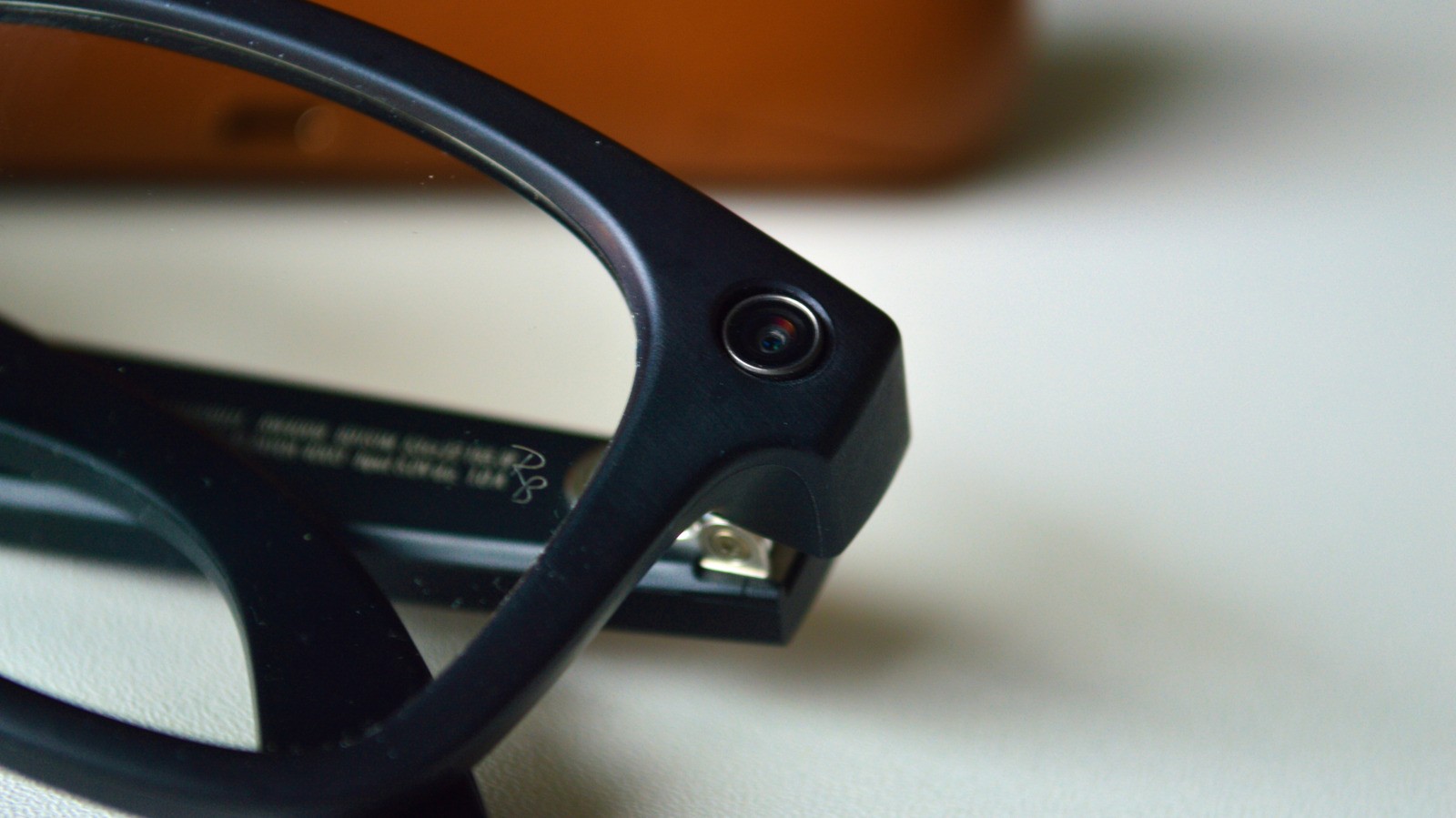
Privacy issues represent a major drawback, as cameras and microphones spark growing concern in public and corporate spaces. Courts in New York, England, and Wales, along with numerous schools, have banned these devices. Meta has also faced scrutiny regarding human reviewers accessing captured media to improve product experiences, raising confidentiality risks.
What This Means for Users and Developers
For everyday consumers and tech enthusiasts, replacing standard prescription glasses with AI glasses still involves too many compromises. Due to battery limits, heavy weights, and expanding public bans, these wearables function better as secondary gadgets rather than reliable everyday vision solutions.