Meta builds Max humanoid robot prototype for household chores
Meta has built a humanoid robot prototype named Max to help with household tasks, powered by NVIDIA chips, while work on Max 2 is already underway.
Meta is pushing deeper into the robotics space by building a humanoid robot prototype designed to assist with household chores around the house. The project represents a significant expansion of the tech giant's hardware and artificial intelligence ambitions.
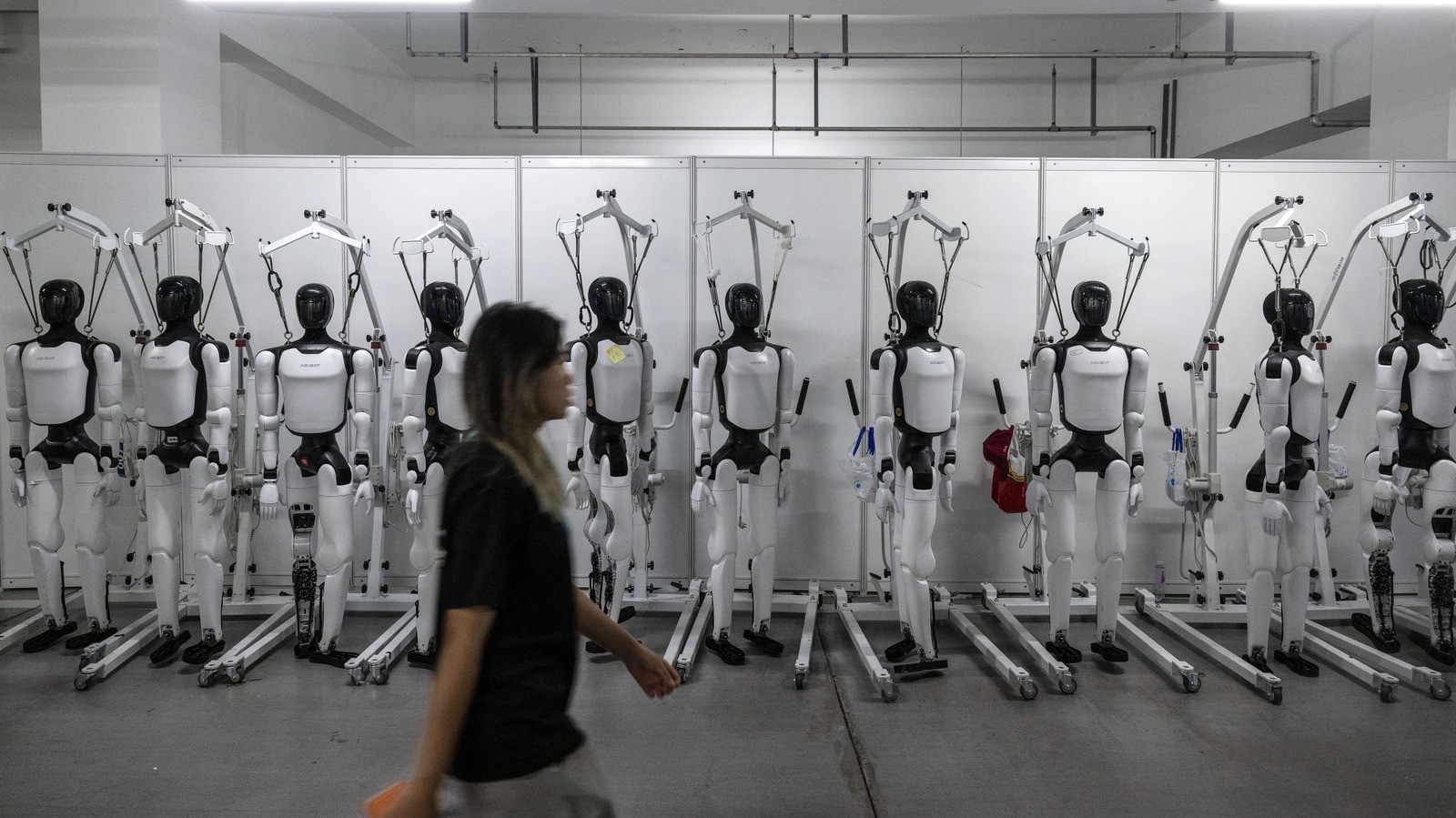
- The initial prototype, codenamed Max, was built in roughly three months with the help of Fourier, a Chinese robotics firm.
- The robot stands about 1.5 meters tall, weighs approximately 106 lbs, and features a face-display screen.
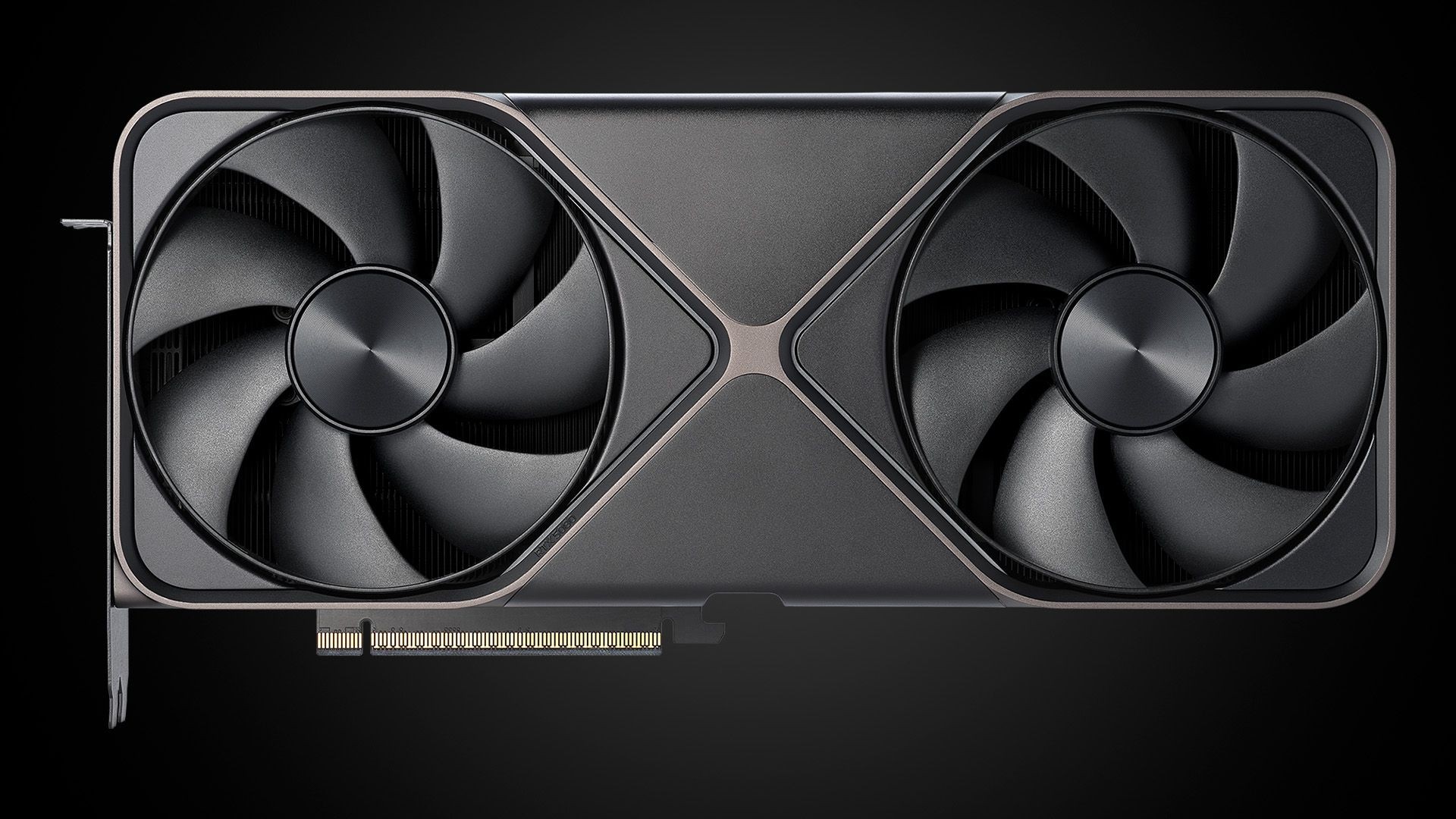
- It is powered by NVIDIA Jetson Thor chips, and Meta has already started working on the next version, Max 2.
Technical features and prototype design
According to a report by The Information, the Max prototype includes custom hands designed for picking up small household objects, a built-in speaker, and a facial expression display panel on the exterior. Internally, Meta chose NVIDIA’s advanced Jetson Thor chips to provide the necessary computing power for autonomy.
The development timeline for the first version was remarkably fast, coming together in about three months with assistance from Fourier. While no official release date has been set for a commercial, mass-market version of the robot, Meta's rapid iteration shows serious long-term commitment to the project.
Read alsoMeta and Fourier develop Max humanoid robot prototypeDevelopment of the Max 2 prototype
Without waiting for the initial testing phase to conclude, Meta reportedly initiated work on a second-generation prototype, codenamed Max 2, as early as September. Engineers are updating the design of the robot's torso and hands while integrating a projector and extra sensors to help it navigate stairs.
Navigating stairs and household clutter safely remains one of the primary hurdles in domestic robotics. By adding additional sensors and a projector, Meta aims to improve the robot's spatial awareness and environmental handling, which is crucial for a reliable household assistant.
Background and strategic goals
Meta's entry into the humanoid robotics arena follows reports from last year that the company formed a dedicated hardware team aimed at creating machines capable of household chores. Earlier this year, those hardware efforts were reinforced when Meta acquired a startup specializing in artificial intelligence built specifically for robots.
By combining powerful NVIDIA hardware, acquired AI expertise, and rapid hardware prototyping, Meta is positioning itself alongside other major tech players investing in embodied AI. The company's goal is to transition AI from digital screens into physical helpers.
What this means for the industry
Meta's aggressive move into humanoid robotics underscores the broader industry trend of merging advanced AI models with physical robotic hardware. For developers and tech enthusiasts, it signals that embodied AI and home robotics are steadily moving closer to commercial reality.
While consumer-ready household robots are still far from widespread availability, competition among major tech giants will likely accelerate R&D and drive hardware cost reductions over the coming years, shaping the future landscape of consumer technology and automation.