BYD Yangwang U9 Xtreme crashes during 500 km/h speed attempt in China
BYD electric hypercar Yangwang U9 Xtreme crashed during high-speed tests in China. The driver miraculously escaped uninjured.
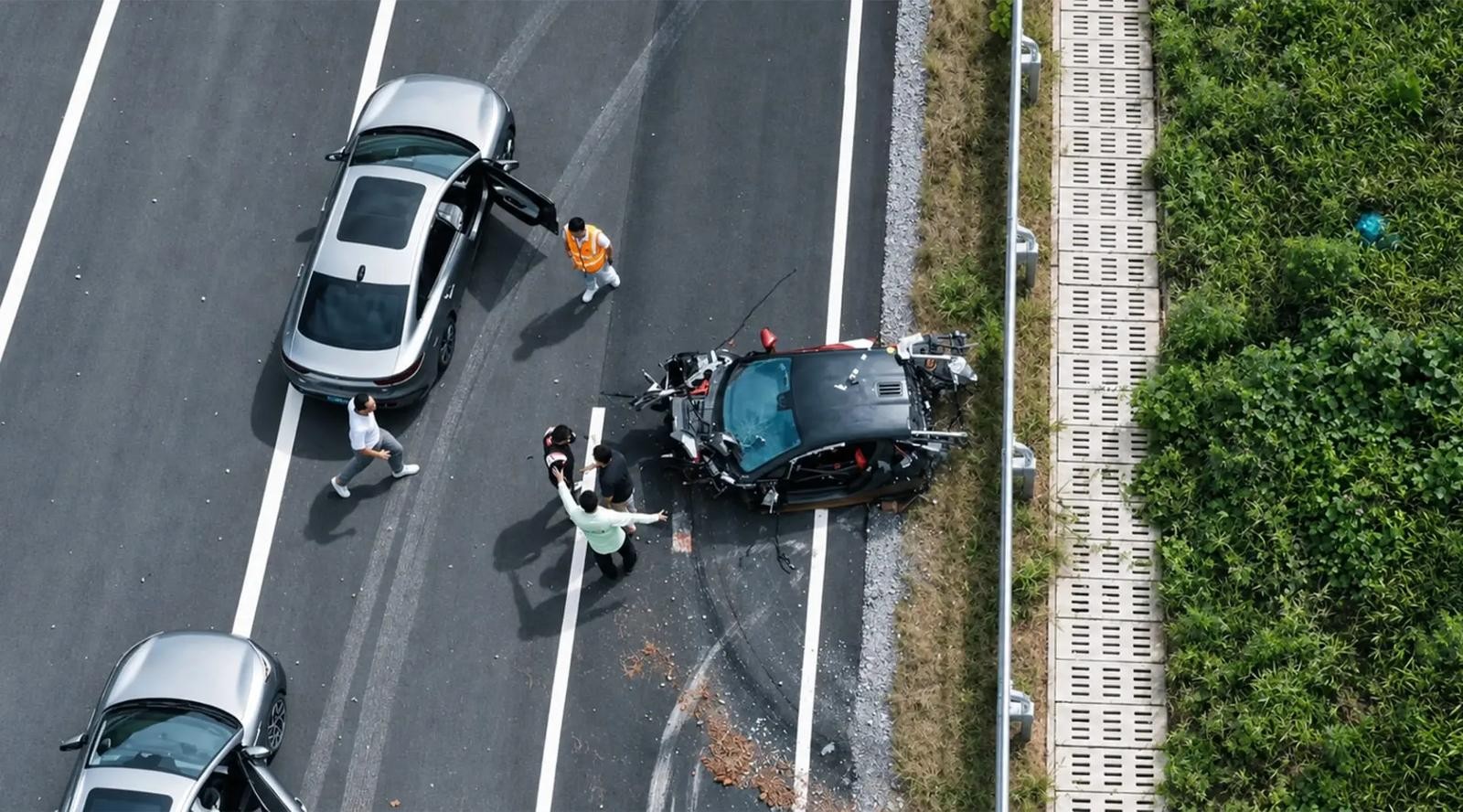
BYD's electric hypercar, the Yangwang U9 Xtreme, has been involved in a serious crash during testing on a closed track in China. The vehicle lost control at extreme speeds and slammed into a safety barrier, resulting in total destruction.
- Yangwang U9 Xtreme crashed during a high-speed test run in China
- The car was completely destroyed, but the test driver walked away uninjured
- The incident occurred while preparing to break the 500 km/h barrier
Details of the high-speed crash
The accident happened as the team was preparing to set a brand-new speed record. Traveling at velocities close to 500 km/h, the high-performance electric vehicle suddenly lost stability, spun out, and impacted the track barrier.
The force of the collision was catastrophic, completely tearing off the rear axle and turning the bodywork into a pile of twisted metal. Despite the total wreckage of the vehicle, the advanced safety structure protected the driver, who managed to exit the cabin unaided and without any injuries.
Read alsoBYD enters world top five largest automakers for the first time in 2026Technical specs and previous milestones
Prior to this accident, the Yangwang U9 Xtreme achieved an astounding 496.22 km/h on a test track in Germany. This remarkable feat crowned it as the fastest production car in the world, powered by an electric powertrain generating roughly 3,000 horsepower.
Valued at around 250 million rubles, the hypercar represents the pinnacle of modern Chinese electric vehicle engineering, combining extreme battery technology with advanced aerodynamics.
Future outlook and industry impact
BYD had originally scheduled a formal record-breaking attempt in the United Arab Emirates this November to officially surpass the 500 km/h threshold. Following this major crash, future testing timelines remain uncertain.
This incident underscores the immense physical challenges and risks associated with pushing electric vehicles to unprecedented speeds, where engineering margins are razor-thin and high-speed stability is paramount.
Source: iXBT.com