Dartmouth Provost Santiago Schnell resigns after AI disclosure scandal
Dartmouth College provost Santiago Schnell has resigned following an investigation into his undisclosed use of AI in academic and public writing.
·1 min read
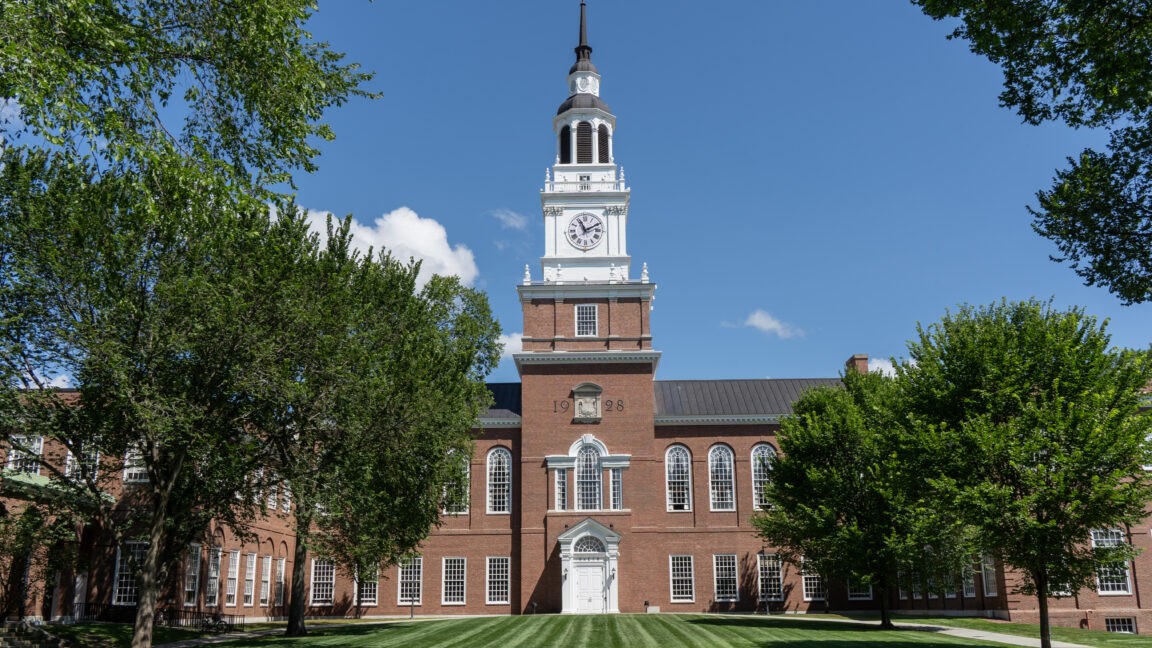
Santiago Schnell, the provost of Dartmouth College, has resigned from his position after an advisory committee found that he failed to disclose his significant use of AI tools in various academic papers and public op-eds. The resignation follows a controversy centered on the transparency standards expected of academic leadership in the age of artificial intelligence.
- Schnell used AI models like Claude to revise papers, write code, and generate figures.
- The investigation noted Schnell's lack of cooperation, including refusal to share personal AI logs.
- Schnell argued his AI usage was strictly editorial, but committees found it went significantly further.
- Dartmouth maintains its commitment to AI research while demanding strict transparency from its leaders.
The investigation process The college’s advisory committee struggled to assess the full scope of Schnell’s AI usage due to his "insufficient cooperation." While he provided his work laptop, he declined to share logs from personal accounts or meet with the committee. Evidence from his corporate Claude account, however, revealed that he routinely used the AI for refining arguments, debugging code, and managing TeX files, often asking the machine to perform tasks that went well beyond basic grammar correction.
The debate over AI disclosure Schnell has long maintained that AI is a tool for editorial assistance and that distinguishing between "human-written" and "AI-written" is an oversimplification. He contended that as long as the human author takes full responsibility for the final content, the collaborative process should be acceptable. Critics and the committee, however, pointed to instances where he specifically prompted AI to check for "signs of AI writing," suggesting a conscious attempt to mask the machine's influence in his work.
A lesson for academic integrity This scandal highlights a critical juncture for universities worldwide. As institutions race to integrate AI, the core expectation of academic honesty remains unchanged. Dartmouth’s leadership, including President Sian Leah Beilock, emphasized that leaders must model the same transparency and human judgment that they expect from students and researchers, proving that in a fast-changing AI landscape, disclosure remains the most essential currency of trust.
Source: Ars Technica - All content