Googlebook OS Review: Transitioning ChromeOS to Android
Google has launched its first Android-powered Googlebooks. Here is a detailed look at the new OS, hardware specs, Android integration, and current limits.
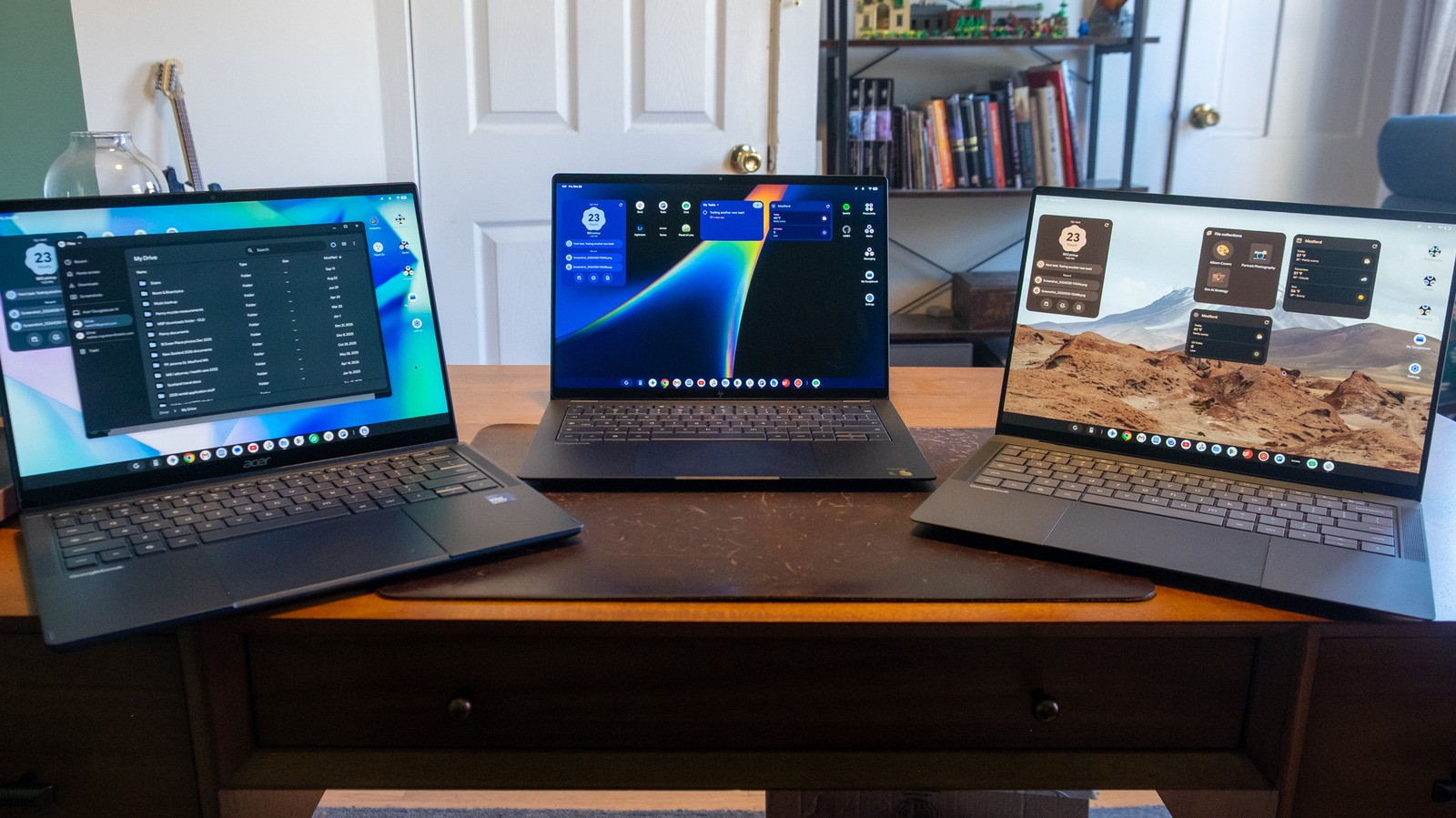
Google has officially rolled out its first Android-powered Googlebook laptops, transitioning away from ChromeOS. Partnering with ASUS, Acer, and HP, the tech giant promises premium hardware, deep Android integration, and powerful Gemini AI features.
- Initial Googlebook laptops range from $899 (Acer) to $1,299 (ASUS).
- The new Googlebook OS is built entirely on Android instead of ChromeOS.
- Features instant setup via smartphone and integrated Gemini AI tools.
- Several ChromeOS productivity features and sync options are currently missing.
Premium Hardware and Pricing Structure
Most hands-on testing was conducted on the $1,299 ASUS Googlebook 14, featuring a 2.2-pound ultra-light build, a Gorilla Matte OLED touchscreen, an Intel Core Ultra 5 processor, 16GB RAM, and 512GB storage. Other launch devices include the entry-level $899 Acer Googlebook 14 and the HP Googlebook 14 powered by the Snapdragon X Elite chip.
Smartphone Setup and Ecosystem Integration
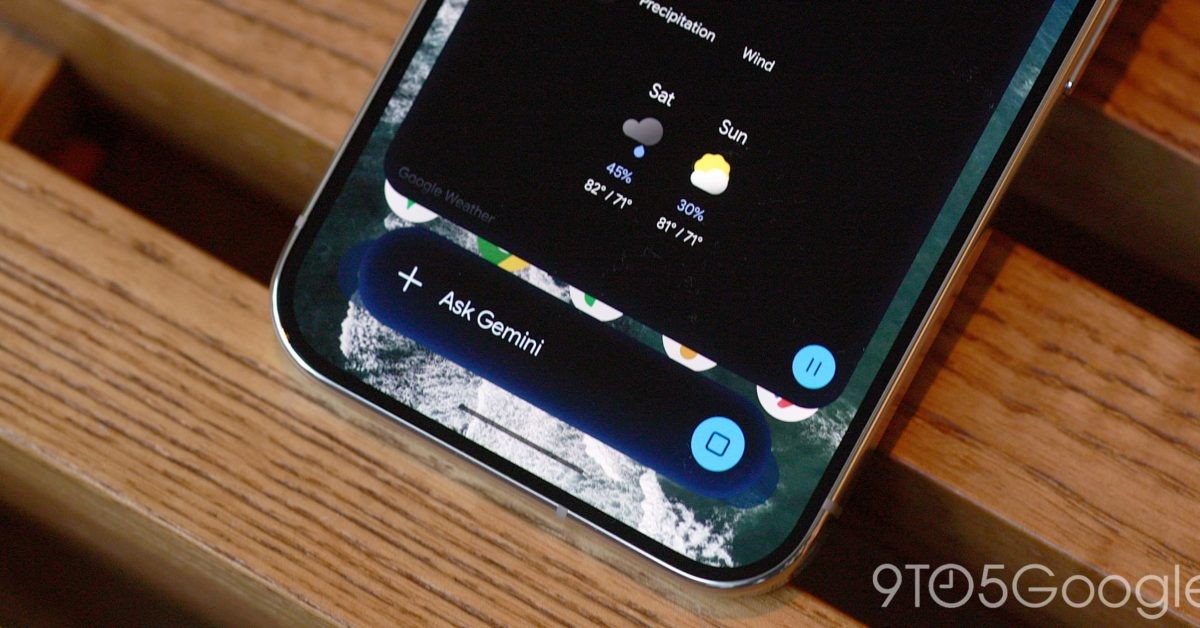
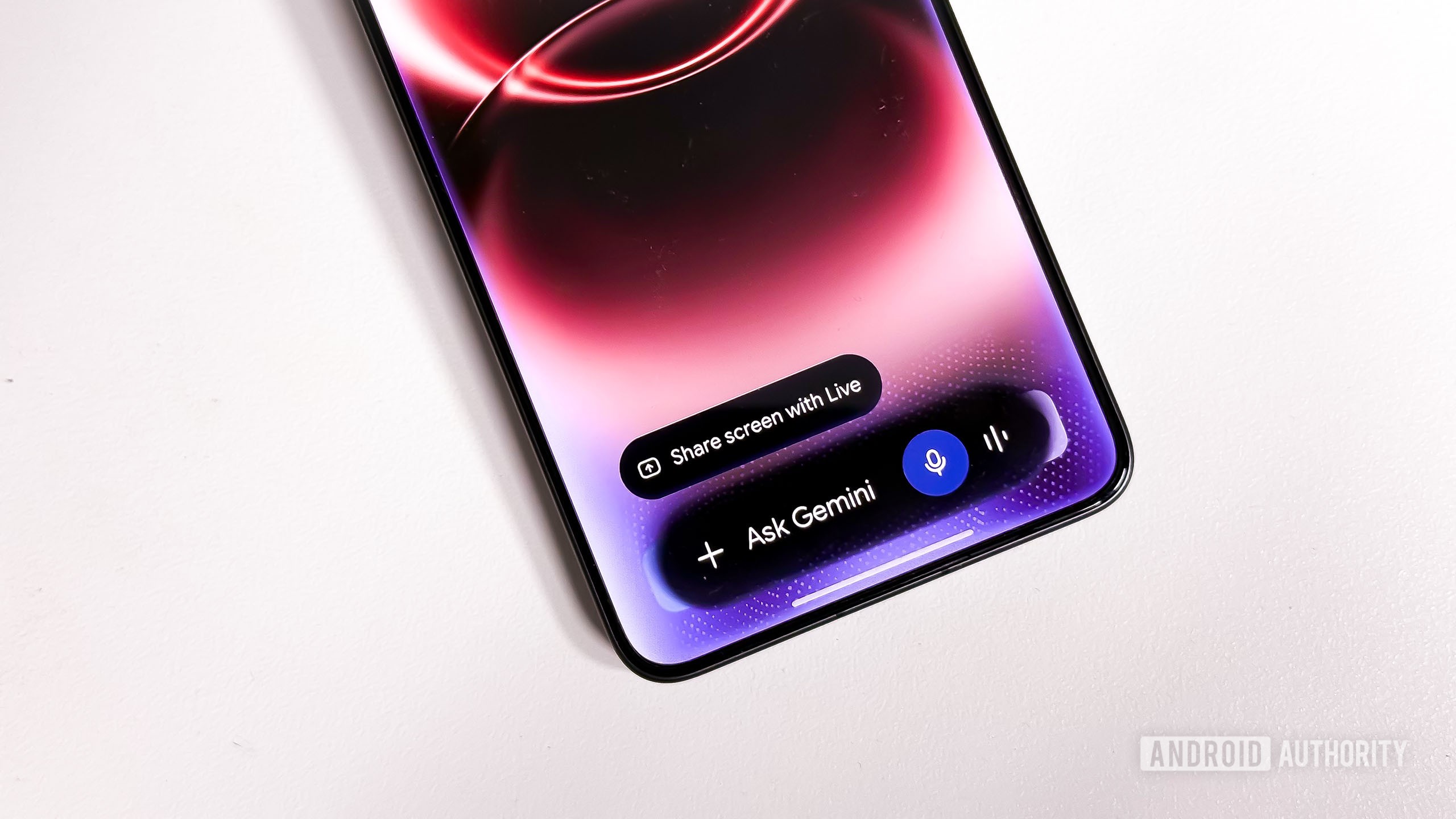
Read alsoAndroid SMS of Death Vulnerability: Call Disruption and Patch DetailsSetting up a Googlebook emphasizes seamless ecosystem connectivity. Scanning a QR code with an Android smartphone allows users to transfer Google accounts, phone settings, apps, and fingerprint authentication within minutes. The OS also introduces Gemini AI features like Magic Pointer and Gemini Live, alongside unified phone notifications.
Interface Redesign and Feature Trade-offs
While the desktop UI resembles ChromeOS, key layout changes exist. System status indicators move to a thin top info bar, leaving the bottom dock dedicated solely to apps. However, handy ChromeOS features like the taskbar calendar with Google Tasks integration have been removed, and tab group sync in Chrome browser still shows inconsistencies.
What This Means for Users and the Market
Moving from ChromeOS to Android provides strategic long-term benefits for Google and developers. However, at price points competing directly with MacBooks and premium Windows PCs, Googlebook OS still requires software refinements to deliver full value for early adopters.