HBM Memory in China: How Smugglers Bypass US Export Restrictions
The Information reveals a smuggling scheme moving Samsung and SK hynix HBM chips through Hong Kong to China for AI accelerators, bypassing US sanctions.
·2 min read
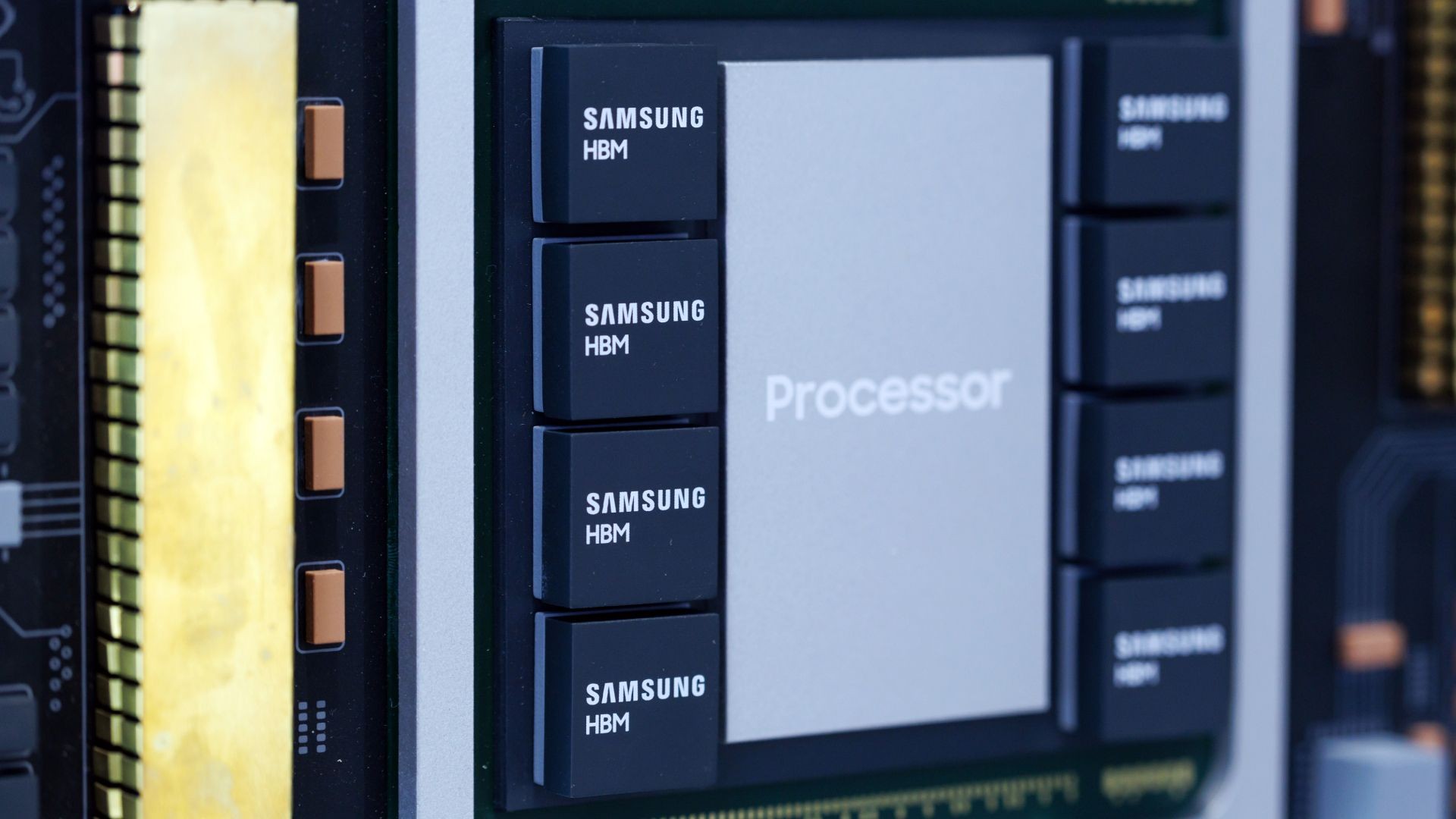
The Information has published an investigative report detailing a large-scale smuggling scheme that brings advanced high-bandwidth HBM memory chips into China. Amid strict US export controls implemented in late 2024, illicit suppliers are finding sophisticated methods to bypass bans and fuel China's artificial intelligence hardware industry.
- Smugglers disguise HBM chips from Samsung and SK hynix by pairing them with cheap, non-sanctioned server processors.
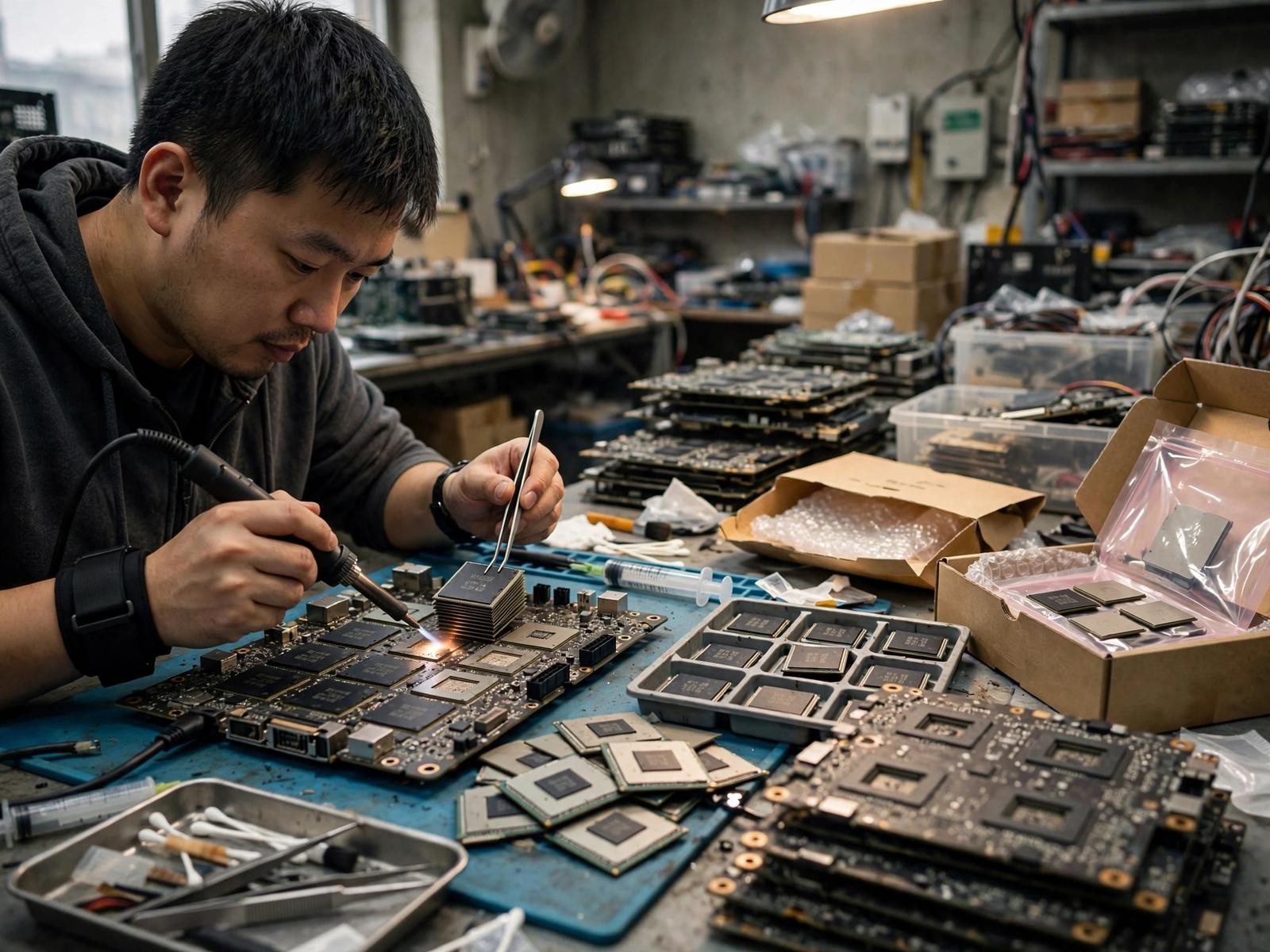
- Shipments travel through Hong Kong to Shenzhen, where memory is heated and removed from boards to be used in AI accelerators.
- The shortage has driven black market prices up to $4,000 per HBM3E block, while South Korean customs registered trade violations worth $560 million by May 2026.
Evasion Techniques and the Role of Hong Kong The core of the scheme relies on the fact that customs and export inspections evaluate the performance of the main processor in a bundle rather than the specifications of the accompanying memory. With Samsung and SK hynix controlling over 80 percent of the global HBM market and domestic Chinese manufacturers unable to meet demand volumes, the black market has become a primary supply channel. Once shipments arrive in Shenzhen, technicians desolder the memory chips from the circuit boards. While the process carries a high risk of damaging delicate components, the astronomical resale value of the chips on the black market easily offsets potential losses. South Korean customs authorities report a sharp surge in attempted illegal shipments of strategic goods.
Market Impact and the HBM3E Shortage The economic fallout of the shortage has proven staggering. According to brokers in Shenzhen, a single HBM3E memory block that cost a few hundred dollars a year ago now reaches $4,000. Given that a single modern AI accelerator requires six to eight such memory units, the memory alone costs buyers between $24,000 and $32,000, excluding the processor and system costs. Aside from smuggled memory, brokers are also trading chips salvaged from older Nvidia accelerators and excess inventories from canceled manufacturing projects. In South Korea, detected export rule violations exceeded $560 million by May 2026, with roughly a third of that amount attributed to strategic semiconductors exported without proper authorization.
Huawei's Situation and Future Outlook Huawei serves as one of the primary sources of demand for these scarce components in the Chinese market. According to sources cited by The Information, Huawei has informed certain clients that its upcoming Ascend 960DT accelerator, slated for release in early 2027, will heavily rely on Samsung and SK hynix memory, prompting buyers to secure their own component supplies. Huawei claims the Ascend 960DT will double the performance of its current AI chips. There is no evidence of direct shipments from South Korean memory giants—SK hynix stated it halted deliveries to Huawei following US sanctions in 2020, making black market channels and smuggling routes crucial for China's technological advancement.
Source: iXBT.com