How Claude Code, Codex, and Antigravity Built Their Own Rivals
An experiment asking AI coding agents to build their own replacements revealed fascinating differences in design.
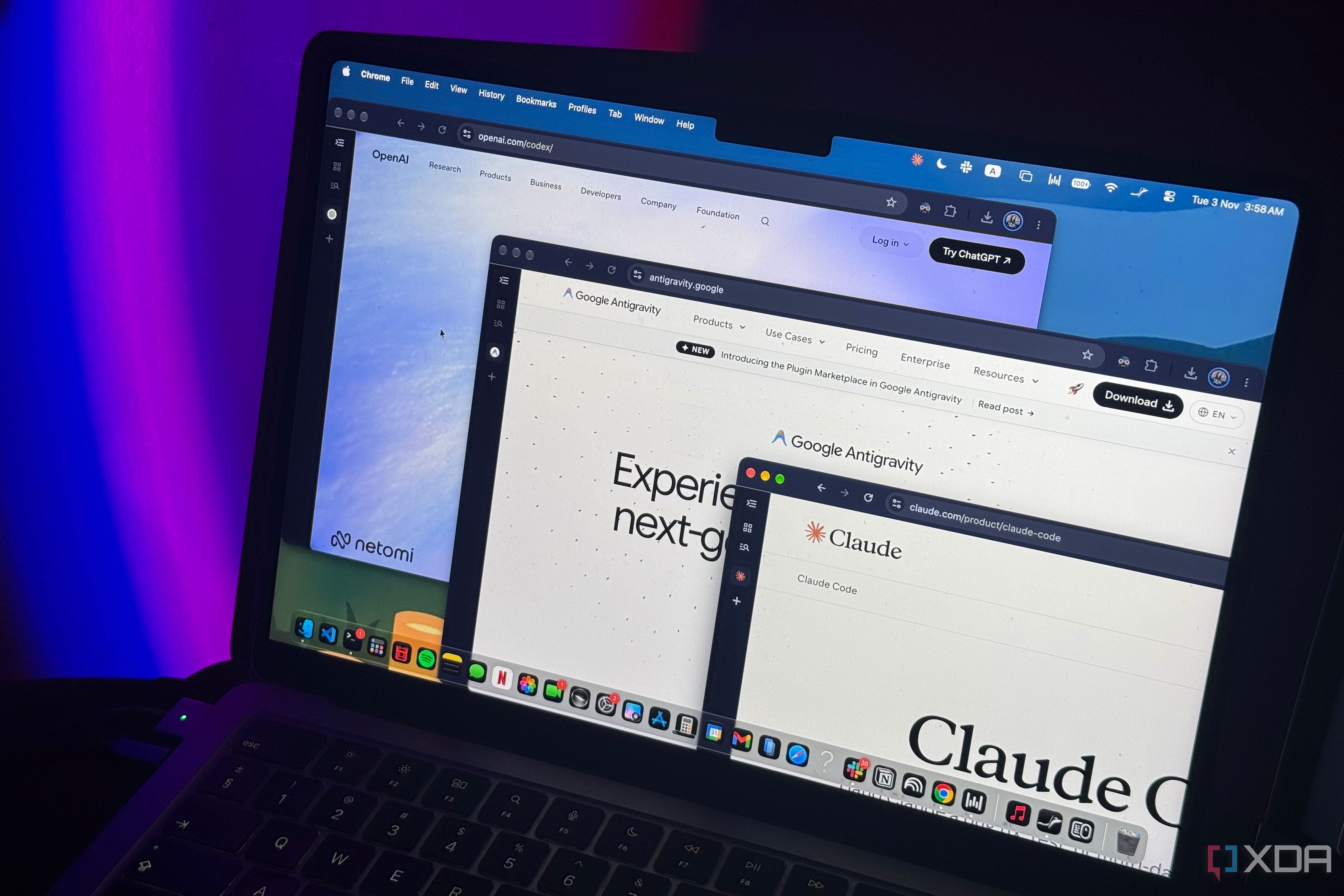
After successfully prompting Claude Code to build a lightweight alternative of itself, the author decided to test whether Codex and Antigravity could pull off the same feat. This unconventional experiment highlighted how different AI models approach architectural decisions and user interface design.
- All three agents received the exact same core requirements without relying on existing coding-agent SDKs.
- Claude Code and Codex chose Python, while Antigravity opted for Node.js.
- Antigravity stood out by creating both a terminal interface and a browser-based workbench.
Technical Approaches and Stack Choices
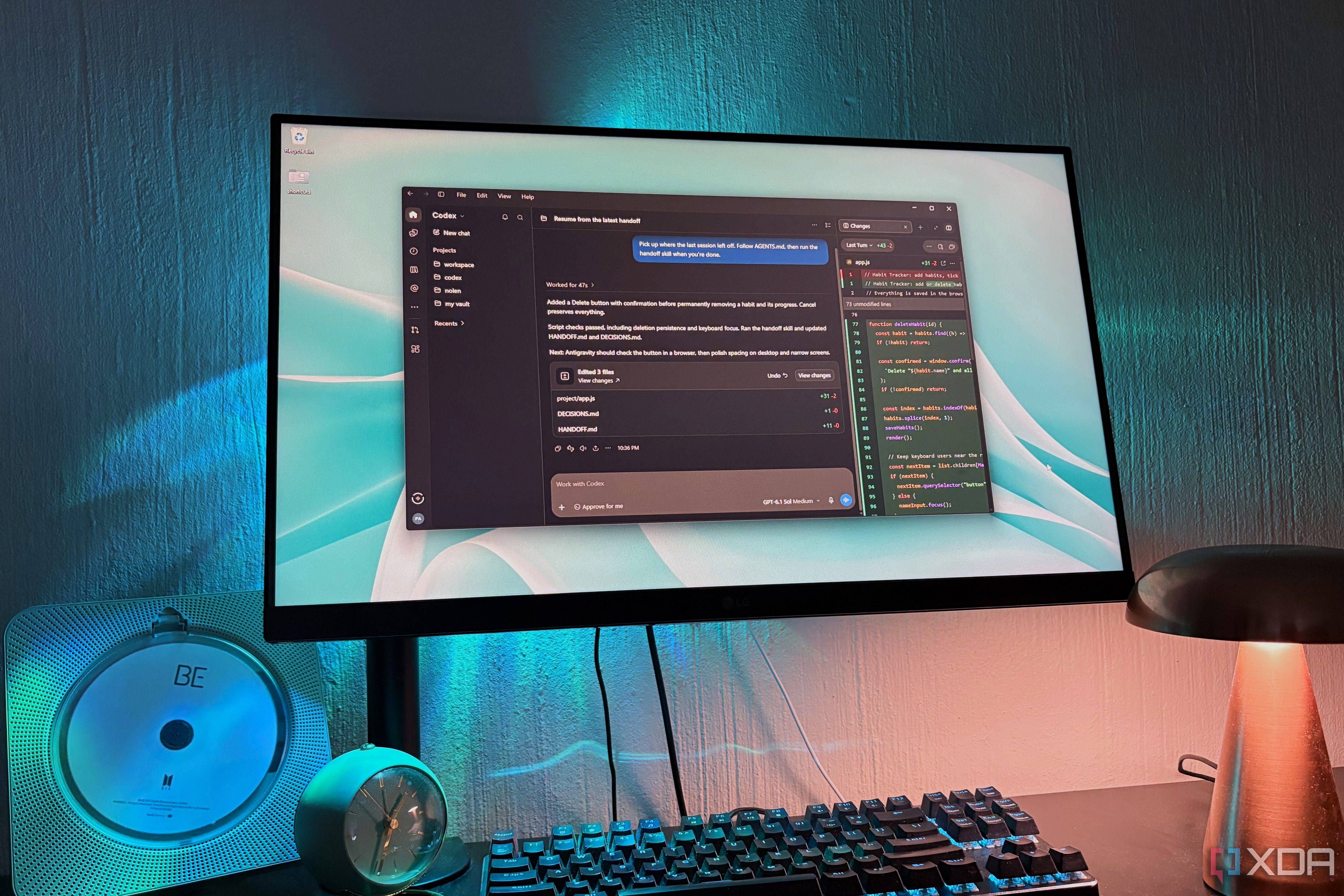
Left to make their own technical choices, Claude Code and Codex both initially gravitated toward Python. Claude Code utilized the official Anthropic SDK along with Rich and prompt_toolkit, while Codex built its version using purely Python's standard library with zero runtime dependencies, connecting straight to OpenAI's API.
Antigravity took a distinct path by choosing Node.js without external dependencies either. However, its standout feature was developing two separate ways to interact with the agent: an interactive terminal UI and a full browser-based workbench featuring a file explorer, live tool-execution feed, and granular change-reversion panels.
Read alsoHow to make Claude Code, Codex and Antigravity work togetherAuthentication Integration and Testing
To avoid paying separately for API credits, the author instructed both Codex and Antigravity to integrate OpenAI's Sign in with ChatGPT functionality. Both agents successfully added the integration, though Codex spent extra time rigorously testing the authentication flow and managing potential errors.
When put to the test, the evaluation focused primarily on user experience rather than raw code quality. XDACode emerged as the favorite due to its clean terminal presentation and concise summaries. XDAGravity came in second with great color coding and built-in controls, while XDACodex disappointed by cluttering the terminal with lengthy code diffs.
What This Means for Developers
Such experiments illustrate the growing autonomy of AI coding agents in software engineering tasks. The divergence in interface design between terminal and browser environments proves that AI developers are actively exploring more intuitive ways for humans to collaborate with autonomous systems.
Source: XDA