Huawei prepares to launch its first HarmonyOS desktop PC with Kirin X90
Huawei is set to unveil its first desktop computer powered by HarmonyOS and the Kirin X90 processor on November 5, featuring over 21,000 apps.
·2 min read
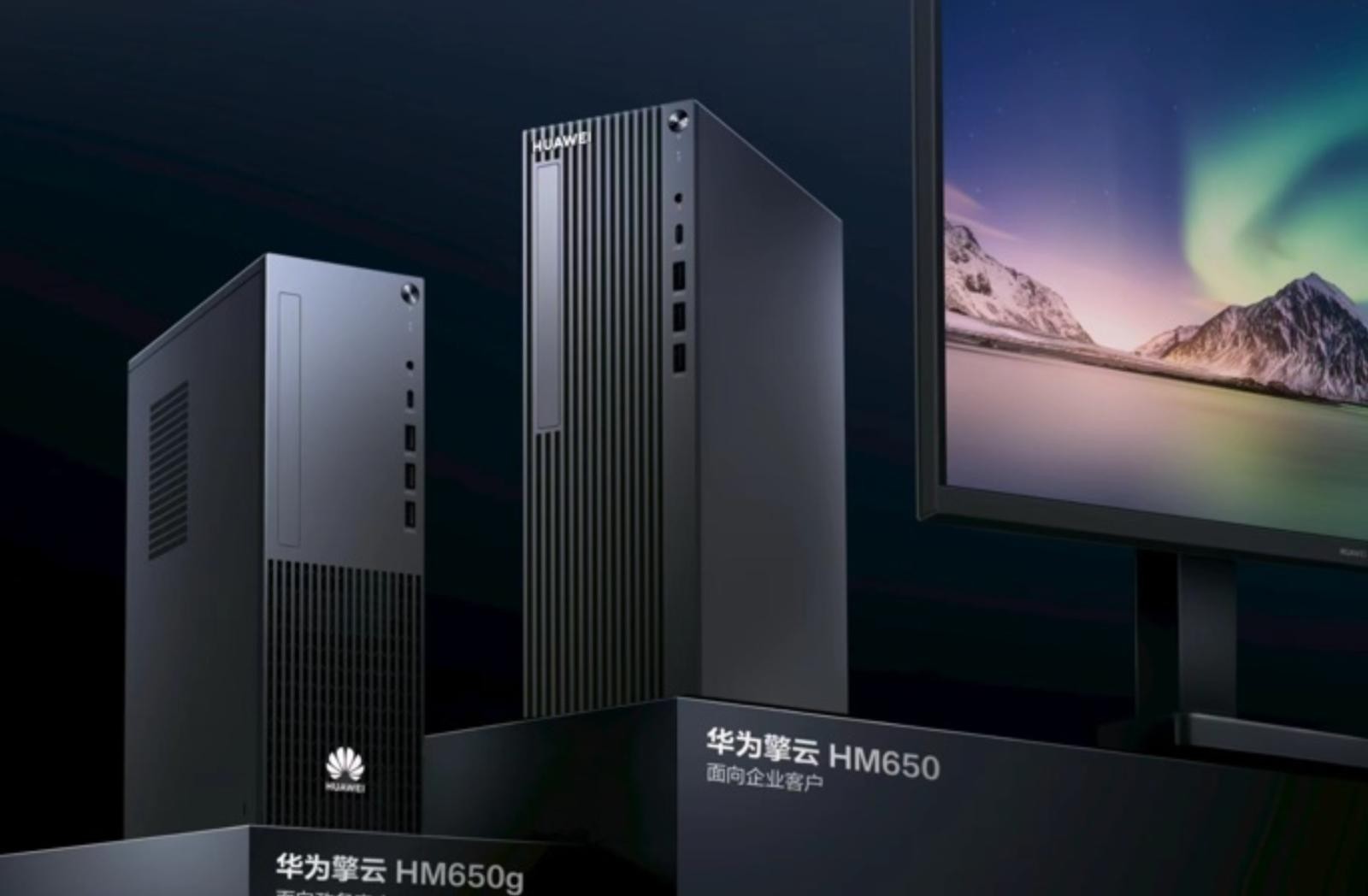
Huawei is preparing to make a significant move in the personal computer market by introducing its very first desktop computer running on its proprietary HarmonyOS operating system. The official presentation is scheduled for November 5.
- Huawei's first HarmonyOS desktop computer powered by the Kirin X90 chip will be unveiled on November 5.
- The ecosystem of apps adapted for the PC version of HarmonyOS has already surpassed 21,000.
- The HM650 model will feature 16 GB of RAM and an advanced cooling system designed for heavy workloads.
Expansion of the HarmonyOS Ecosystem Along with the hardware announcement, the company reported an important milestone in the development of its software ecosystem. The number of applications adapted for the computer version of HarmonyOS has officially exceeded 21,000. These programs cover all essential use cases, including office work, artificial intelligence tools, education, entertainment, and content creation. Additionally, a specialized corporate version of HarmonyOS is expected to be showcased among the upcoming novelties.
Hardware Specifications of the HM650 The hardware foundation of the new Huawei HM650 computer will be the company's proprietary Kirin X90 processor. The manufacturer highlights the inclusion of a specialized cooling system engineered to ensure stable operation even under prolonged high loads, preventing overheating and frequency throttling. Preliminary specifications for the HM650g model have already appeared on Huawei's official support page. According to the published data, the computer will come equipped with 16 GB of RAM and offer several options for internal storage drives.
A New Independent Desktop Platform The company expects the new desktop platform to be suitable not only for everyday office tasks but also for engineering design, modeling, and software development that require significant computational resources. Huawei aims to offer a full-fledged desktop platform based on its own processor and operating system, gradually building a viable alternative to traditional Windows computers. Detailed information regarding configurations, pricing, and sales availability is expected to be revealed during the presentation.
Source: iXBT.com