Windows 11 gets a performance boost on 8GB RAM PCs
Microsoft claims Windows 11 is now 20% more responsive and multitasking is 40% faster on memory-constrained 8GB RAM PCs.
Microsoft has announced major performance improvements for Windows 11 running on machines with just 8GB of RAM. Driven by component shortages and the resurgence of budget laptops, the company says the OS is now significantly more responsive on memory-constrained hardware.
- Microsoft claims a 20% increase in system responsiveness on 8GB PCs.
- Multitasking speeds reportedly improved by up to 40% in internal tests.
- Memory compression tuned to keep up to 2GB more active data in RAM.
- Office apps and Edge reduced memory footprint significantly.
A Three-Pronged Approach to Memory Optimization
The performance updates stem from Microsoft's ongoing commitment to improve Windows 11 quality. The company adopted a three-pronged strategy: smarter memory usage, protecting instant interactions, and ensuring key apps consume fewer resources. While 16GB or 32GB setups remain superior, Microsoft wants to guarantee a solid experience on 8GB systems.
The company tuned compression for useful data, allowing up to 2GB of active data to stay in memory rather than swapping to storage. This reduces the chances of tabs and apps reloading. Committed-memory growth has been cut by up to 900 MB in apps like Microsoft Edge and Microsoft 365, while core Office apps saw a 360MB footprint reduction.
Read alsoWindows 11 on 8GB RAM: What Microsoft ImprovedPerformance Metrics and Speed Gains
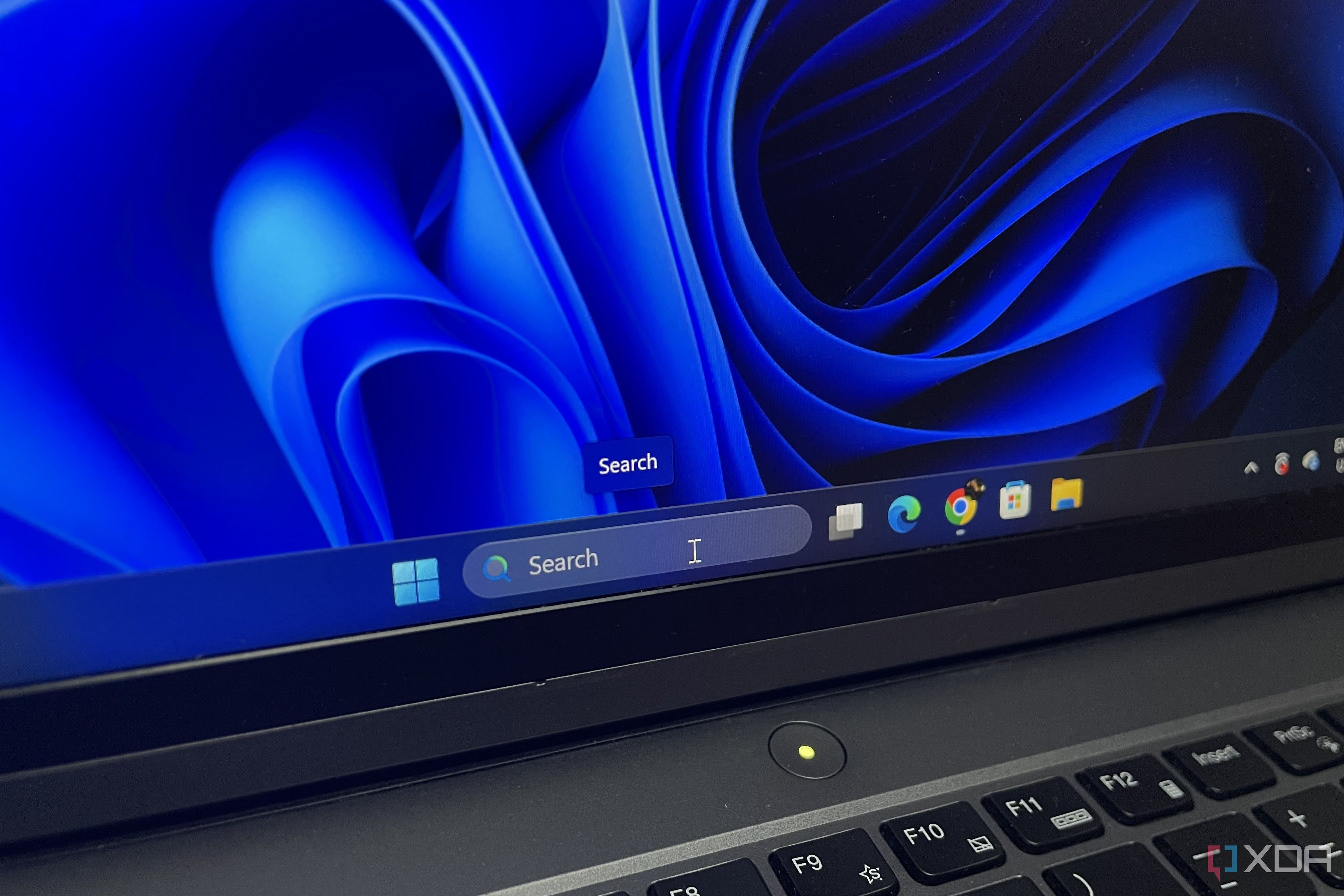
The 20% responsiveness boost targets everyday tasks like opening Start, searching, right-clicking, Settings, Snipping Tool, and File Explorer. Microsoft achieved this by dialing back background tasks like indexing during active usage. Edge now opens up to 33% faster, and Teams features a default Efficiency Mode yielding a 20% faster launch time.
The 40% multitasking boost was measured using a demanding workflow featuring 20 Edge tabs, a 4K video, large Office files, Outlook, and File Explorer opened sequentially. Third-party apps like WhatsApp are also already leveraging these enhanced memory management features.
Future Outlook and Industry Impact
Moving forward, Microsoft plans to make memory compression even smarter, sharing common web engines across features like Search and Widgets. WinUI 3 apps will be engineered to use less memory and open faster.
For businesses and everyday users relying on affordable hardware, these optimizations extend the viability of entry-level machines, making modern software run smoothly without immediate hardware upgrades.
Source: Latest from Tom's Hardware