New electrolyte gives sodium batteries 90% capacity after 1,000 cycles
South Korean scientists have developed a polymer electrolyte for sodium-ion batteries, retaining 90% of capacity after 1,000 charge cycles.
·2 min read
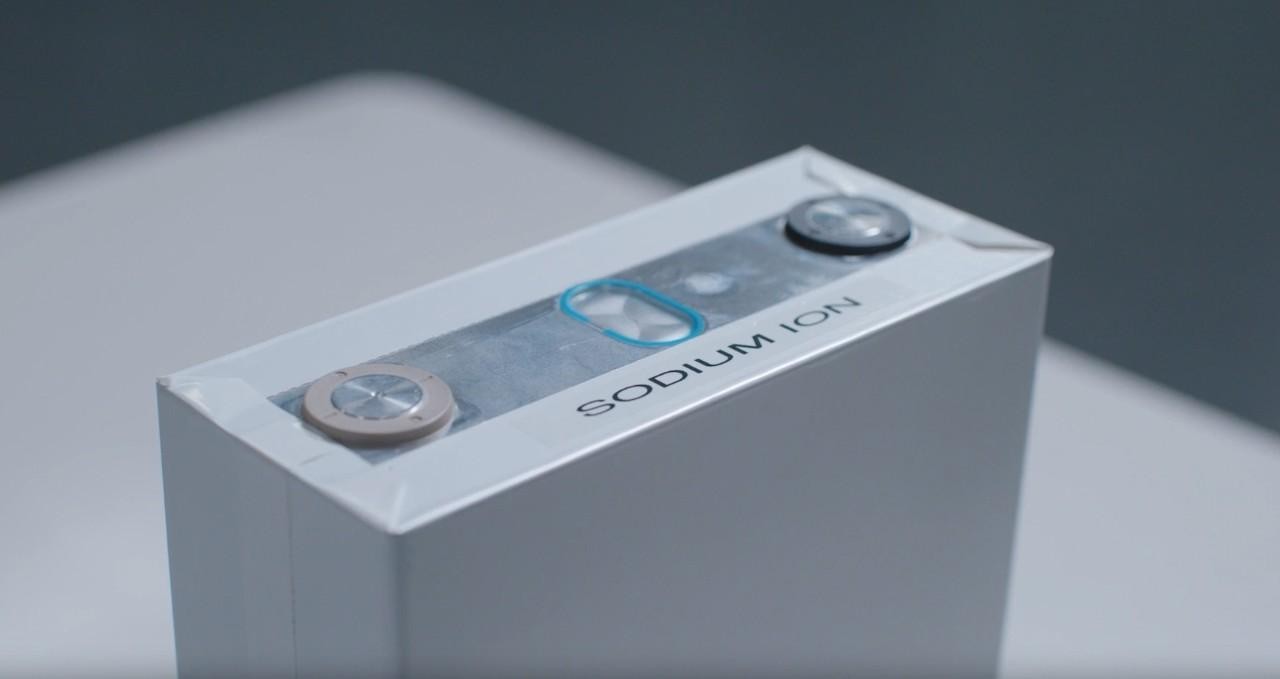
Researchers in South Korea have developed a breakthrough electrolyte technology that could significantly improve the safety and lifespan of sodium-ion batteries. Led by Professor Chang Jin Park from Chonnam National University, the team created an innovative material that allows sodium batteries to retain 90.4% of their initial capacity even after undergoing 1,000 charge and discharge cycles in laboratory tests.
- A new polymer electrolyte for sodium batteries was developed by Professor Chang Jin Park's team.
- The battery retained 90.4% capacity after 1,000 charge cycles.
- The material prevents dendrite growth and eliminates short-circuit risks.
- The experimental battery continued powering an LED even after being bent and cut.
Overcoming sodium battery limitations Sodium-ion batteries are widely seen as a cost-effective and abundant alternative to traditional lithium-ion cells due to the low cost and wide availability of sodium. However, metallic sodium is highly reactive, and in conventional liquid electrolytes, it tends to form dendrites—microscopic metallic structures that can puncture internal components and cause short circuits. To solve this problem, the research team engineered a specialized three-component electrolyte consisting of sodium perchlorate, N-isopropylacrylamide, and succinonitrile. Initially formulated as a liquid mixture, the components are converted into a robust polymer network that securely traps the liquid while maintaining excellent ion conductivity. During testing at 30 °C, the novel material exhibited an ionic conductivity of 1.39 mS/cm. The battery delivered an initial discharge capacity of 110.2 mAh/g, and after 1,000 continuous cycles, it maintained 90.4% of that performance with a charging efficiency nearing 99 percent.
Enhanced safety and durability tests In addition to impressive capacity retention, the research team thoroughly tested the structural safety of the design. The polymer electrolyte proved to be highly resistant to ignition, effectively minimizing the risk of leaks or thermal runaway. In a striking demonstration, the experimental battery continued to power a connected LED lightbulb even after the casing was physically bent and severely sliced open with a cutting tool, proving its mechanical resilience.
Implications for future energy storage This scientific advancement brings practical, scalable sodium-ion batteries a step closer to commercial reality. By removing critical reliability hurdles, the technology paves the way for cheaper and safer stationary energy storage systems, reducing global dependence on scarce lithium resources and driving down production costs for future consumer electronics and electric vehicles.
Source: iXBT.com