RAM shortage to worsen: Team Group issues memory forecast for 2027
Team Group warns that the worst of the global memory shortage is ahead, as SK Hynix, Samsung and Micron sell out their 2027 capacities.
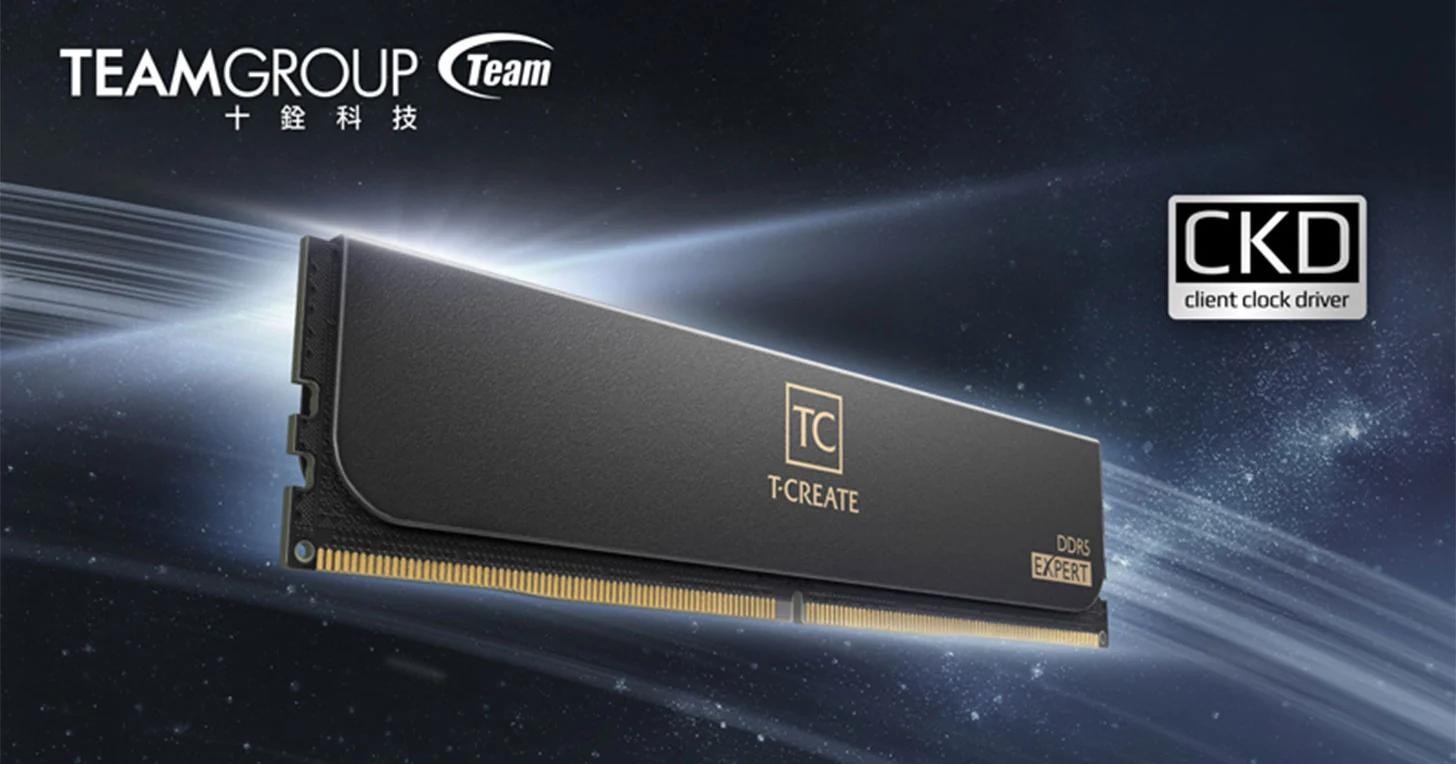
Team Group has released a report warning that the worst period of the global memory shortage has not yet arrived, predicting that peak demand for DRAM will occur between the fourth quarter of 2026 and the second quarter of 2027. The semiconductor market faces mounting pressure as supply constraints intensify.
- Peak memory demand is expected from late 2026 to mid-2027.
- Major DRAM makers like Samsung, SK Hynix, and Micron have sold out 2027 capacities.
- Team Group's B2B business share surged to 64.6% amid shifting focus.
- Supply and demand balance may not recover until the second half of 2028.
Sold-out production capacities of major vendors
Leading DRAM manufacturers such as SK Hynix, Samsung, and Micron have already sold out their entire production capacities for 2027. Major corporate clients have long locked in long-term supply agreements, making it increasingly difficult to acquire memory modules on secondary and open markets.
Team Group stated that even with sufficient funds, buyers might still struggle to purchase necessary memory modules. While memory can still be bought at present, prices are extremely high, and consumers may soon find themselves unable to purchase them at all.
Read alsoApple faces unprecedented memory cost increases as RAM prices surgeAlternative suppliers and Team Group strategy
Although Changxin Memory and Yangtze Memory together account for nearly 10% of the memory market, they remain unable to satisfy overall market demand. Analysts suggest that the supply and demand ratio may not recover until the second half of 2028 or even later.
Currently, Team Group is shifting the bulk of its memory sales toward enterprise clients. Structurally, the B2B business accounts for 64.6%, while the consumer-facing B2C business stands at 35.4%. This marks a sharp contrast to the third quarter of 2025, when B2B and B2C accounted for 24.6% and 75.4%, respectively.
What this means for the industry and consumers
This severe supply crunch indicates that prices for computers, servers, and electronic devices will likely remain high or increase further. Everyday consumers and system builders will face greater challenges in acquiring affordable components as manufacturers prioritize enterprise customers and long-term contracts.
Source: iXBT.com