SpaceX Starship 15th Test Flight and Super Heavy Catch Attempt Canceled
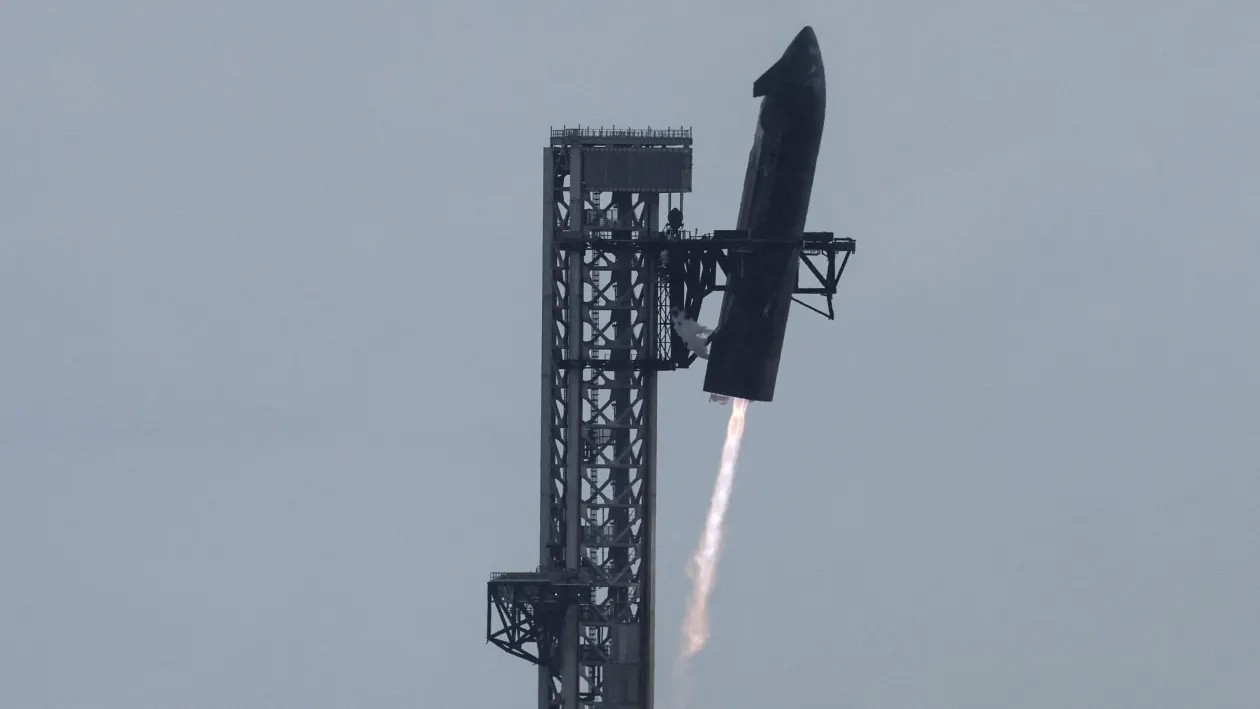
SpaceX launched Starship on its 15th test flight from Texas. The attempt to catch the Super Heavy booster was canceled.
·2 min read
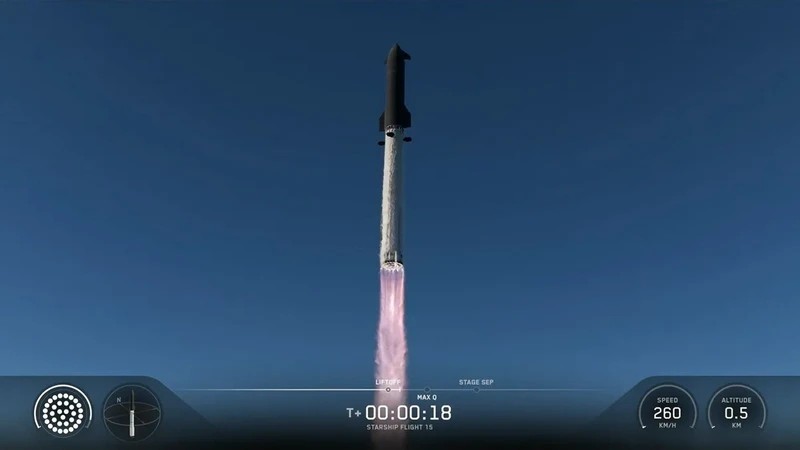
SpaceX has successfully launched its super-heavy Starship rocket as part of the 15th flight test from the Starbase facility in Texas. The launch took place on November 13, marking another major milestone for the company's ambitious fully reusable space transportation system.
- SpaceX conducted the 15th Starship test flight on November 13 from Texas.
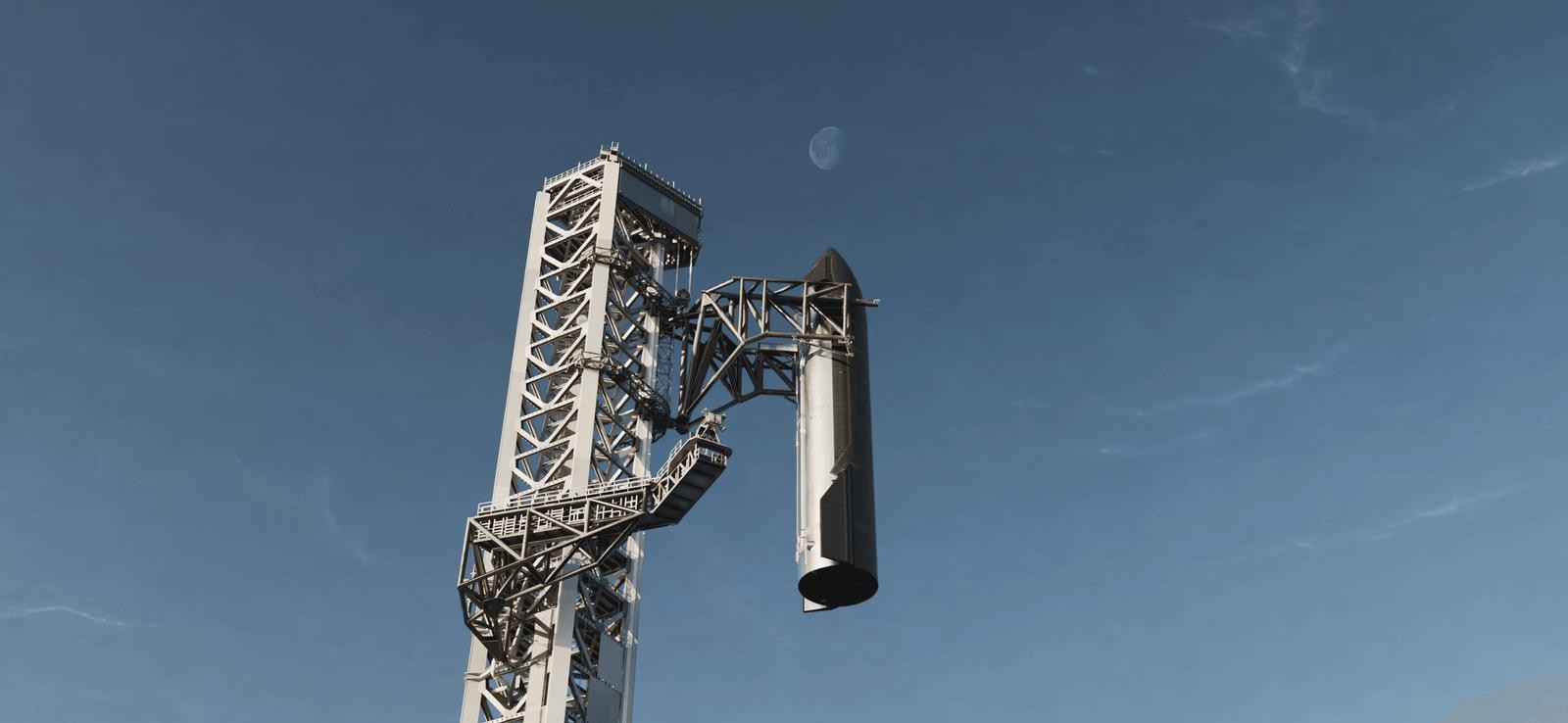
- The attempt to catch the Super Heavy booster using mechanical arms was canceled.
- Booster 22 executed a controlled splashdown in the Gulf of Mexico.
- The upper stage ship successfully reached orbit to deploy Starlink satellites.
Details of the 15th Starship Test Flight Approximately three minutes after liftoff, the rocket's stages separated successfully. The Super Heavy booster began its return journey to Earth, but during its descent toward the launch tower, SpaceX made the decision to abort the planned mechanical catch. The exact reason for this decision has not yet been officially disclosed. Company representative Dan Huot stated that engineering teams will thoroughly review the flight telemetry to determine what led to the cancellation. As a result of the abort, the booster performed a nominal splashdown in the Gulf of Mexico.
Orbital Insertion and Starlink Deployment Meanwhile, the upper stage, designated Ship 42, successfully completed its ascent and shut down all six of its Raptor engines. The spacecraft reached orbit, where it was tasked with deploying a batch of Starlink V3 internet satellites. The next key milestone of the mission involves the spacecraft preparing for its eventual return to Earth. If all subsequent procedures proceed according to plan, Starship will spend approximately 22.5 hours in space, completing 14 orbits around the globe before landing.
Significance of the Test for Future Space Missions Flight tests of this scale provide invaluable data for SpaceX as the company works toward achieving rapid reusability for its orbital vehicles. Despite the aborted booster catch, the primary objectives of the flight test are providing critical engineering insights for future iterations. The data gathered from this mission will help aerospace engineers refine flight software and mechanical systems, paving the way for safer and more reliable interplanetary travel to the Moon, Mars, and beyond.
Source: 3DNews: