SpaceX successfully catches orbital Starship spacecraft with mechanical arms
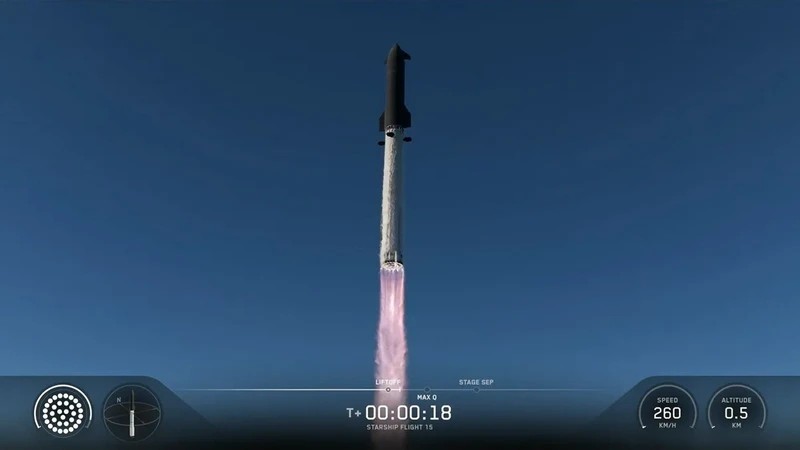
SpaceX successfully completed its 15th Starship test flight, catching the orbital spacecraft with mechanical arms at the Starbase spaceport.
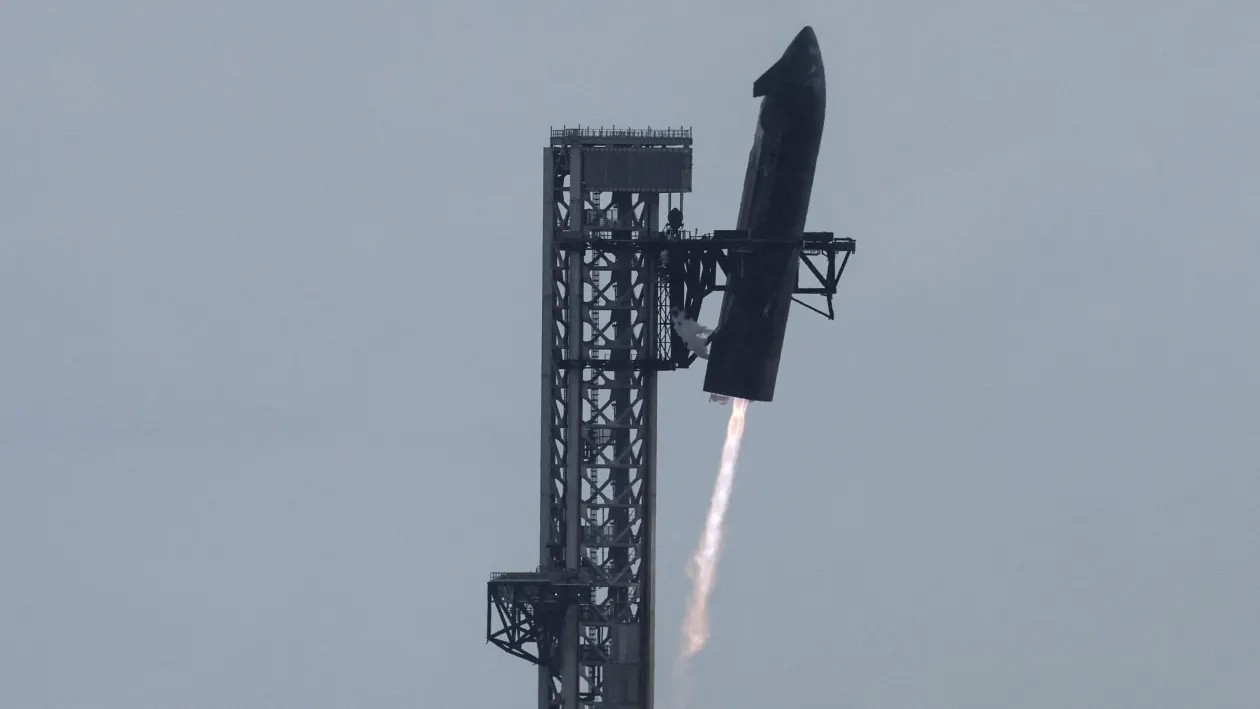
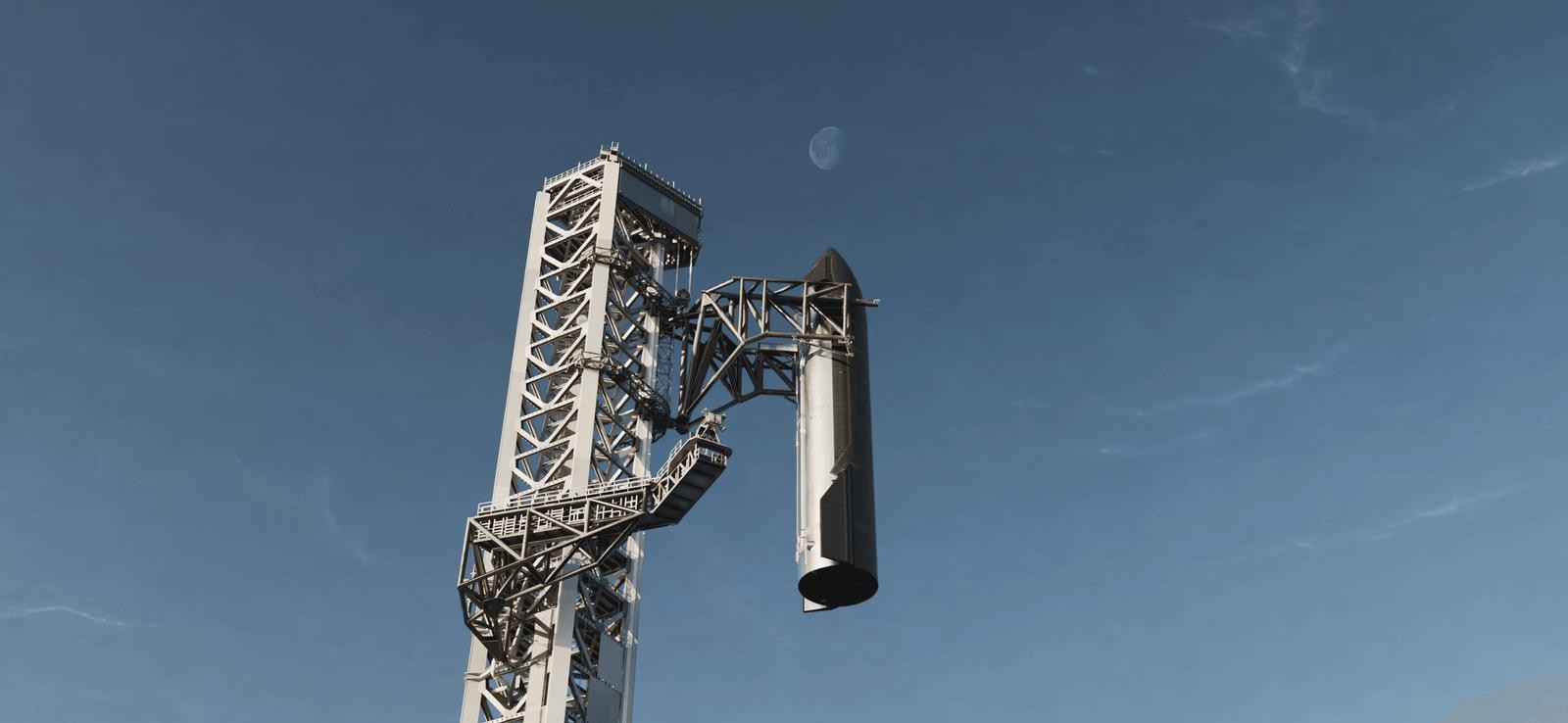
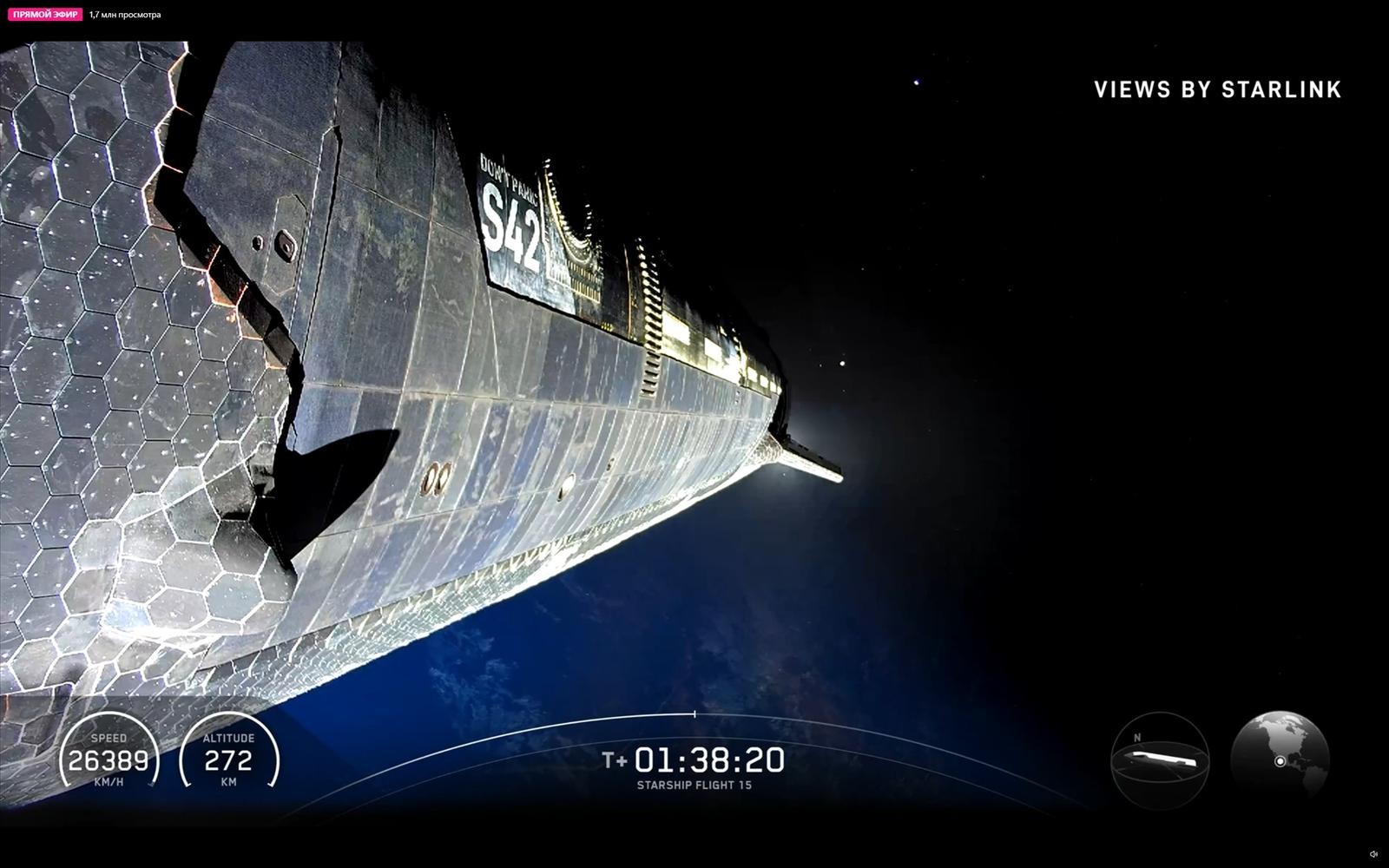
SpaceX has for the first time successfully returned an orbital Starship spacecraft back to the Starbase spaceport in Texas, where it was caught mid-air by the mechanical arms of the launch tower. This milestone marked the conclusion of the 15th test flight, which was the longest in the program's history. The spacecraft spent over 22 hours in space and completed 14 orbits around the Earth.
- The Starship spacecraft was successfully caught by the Mechazilla tower's mechanical arms on November 14.
- During the flight, the spacecraft successfully deployed 26 new Starlink V3 communication satellites.
- Three satellites were equipped with cameras to inspect the spacecraft's heat shield before reentry.
- The Super Heavy booster was diverted and destroyed over water due to a minor positioning deviation.
Details of the record-breaking test flight
The successful catch took place in the afternoon local time as the Ship 42 spacecraft emerged from the clouds, flipped into a vertical orientation, and descended directly between the massive arms of the Mechazilla tower. Previously, SpaceX had only managed to catch Super Heavy boosters using this innovative method. This time, however, the spacecraft itself accomplished the much longer journey, entering orbit, spending nearly a day in space, and returning to the exact same launch tower.
Before authorizing the return to Texas, engineers utilized three Starlink V3 satellites equipped with cameras to inspect the Starship's heat shield. The flight plan also included backup contingency water landings off the coast of Chile or Hawaii, which ultimately were not needed. Meanwhile, the Super Heavy booster experienced a positioning deviation detected by onboard automation, leading to a safe abort maneuver over the Gulf of Mexico where the flight termination system was triggered.
Read alsoStarship prepares for 15th flight: launch date and mission goalsImplications for reusable rocketry and business
The successful retrieval of Ship 42 brings SpaceX significantly closer to its ultimate goal of making both rocket stages fully reusable. While Falcon 9 allows the company to regularly recover boosters, a fully reusable Starship will drastically lower the cost of launching heavy payloads into orbit. This reduction in cost directly benefits SpaceX's satellite internet business, with a single batch of 26 V3 satellites adding as much network bandwidth as ten previous-generation Falcon 9 launches.
Looking ahead, Starship technology is essential for NASA's Artemis lunar program, which requires a specialized human landing system to transport astronauts to the Moon's surface. Elon Musk also envisions utilizing these reusable spacecraft for deep space exploration, including crewed missions to Mars. Rapid turnaround times for both booster and ship will redefine the economics of global space flight infrastructure.
Source: 3DNews: