Starship prepares for 15th flight: launch date and mission goals
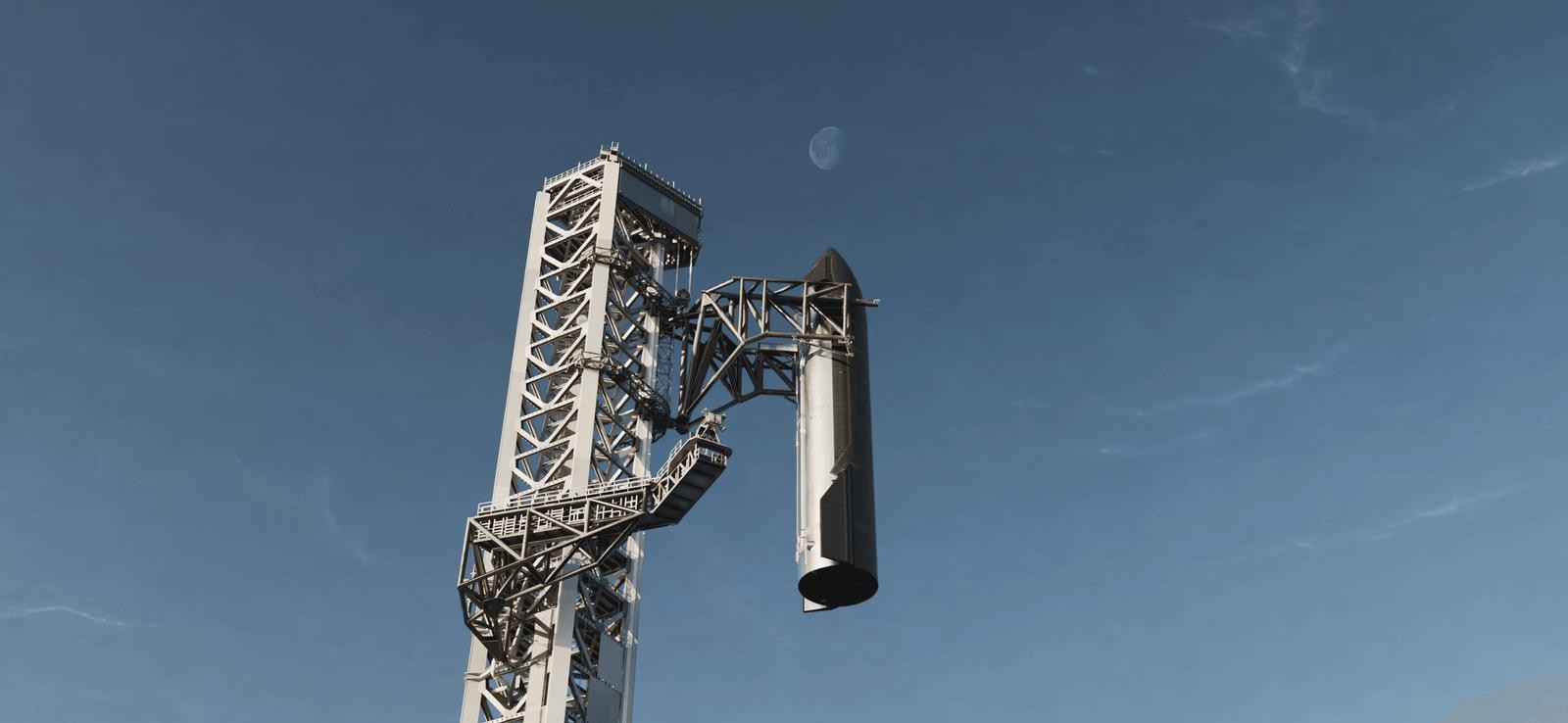
SpaceX has assembled the Starship rocket for its 15th test flight on November 14, 2026. The main goal is to catch both stages with the Mechazilla tower.
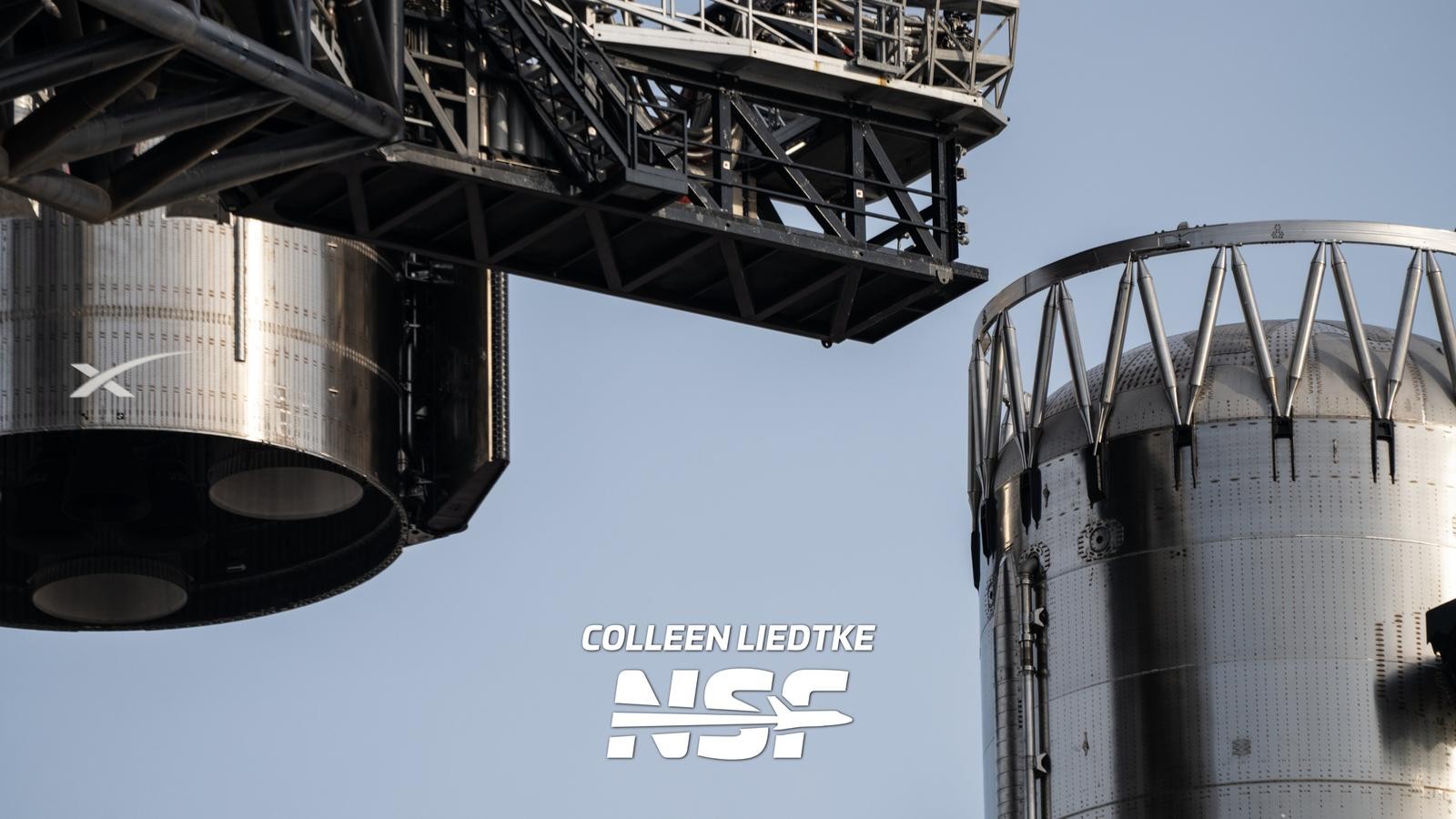
SpaceX has completed the assembly of the massive Starship rocket at the Orbital Launch Pad 2 facility in Texas ahead of its upcoming test flight. The historical launch system is scheduled to lift off on November 14, 2026, with the final assembly completed in just a matter of hours.
- Fully assembled Starship is ready for its 15th test flight in Texas.
- Super Heavy Booster 22 features the new V3 version for this mission.
- Ship 42 will deploy 26 next-gen Starlink V3 satellites during a 22-hour mission.
- The primary goal is to catch both rocket stages using Mechazilla arms.
Preparation for the 15th Test Flight
Fresh photographs of the fully stacked rocket on the Mechazilla launch tower were published on November 12 by Colleen Lidtke, a photographer and member of the NASASpaceflight team. Both key vehicles—the Ship 42 spacecraft and the Super Heavy Booster 22 booster—have completed pre-launch preparations and stand ready at the Texas launch site.
Flight Program and Payload Details
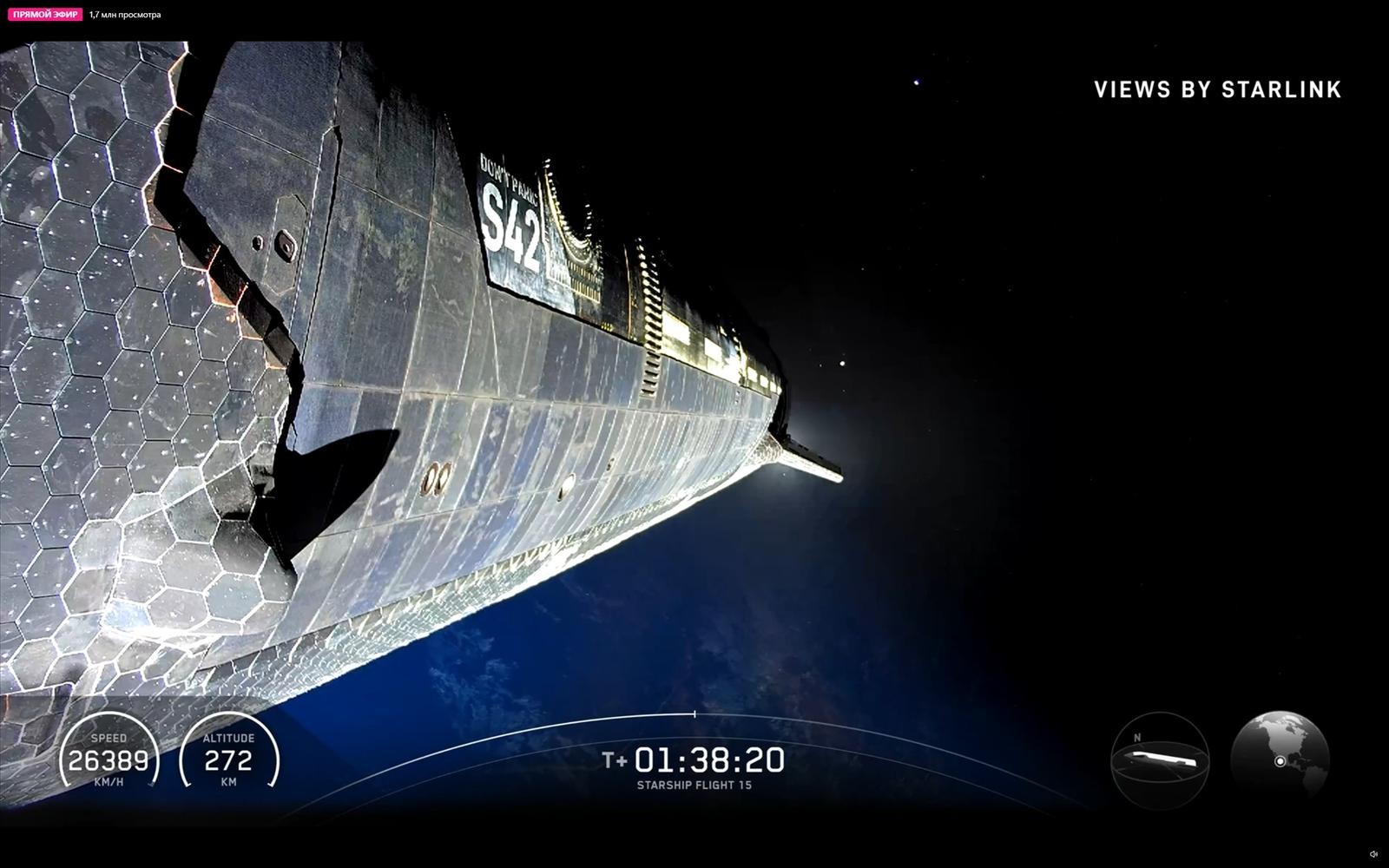
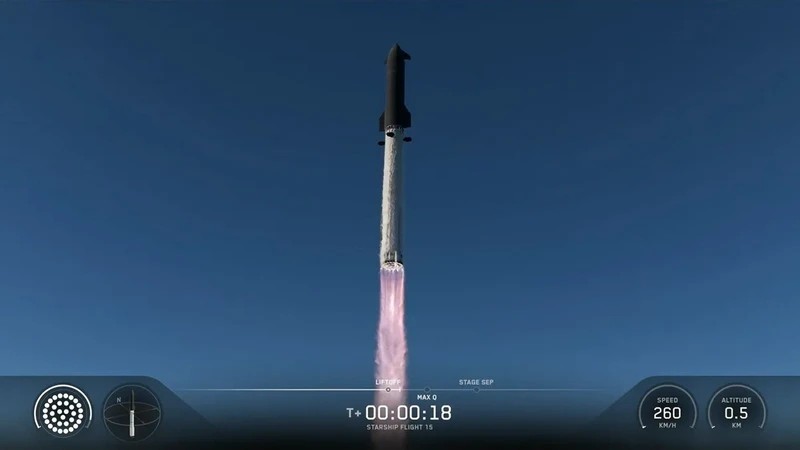
Read alsoSpaceX successfully catches orbital Starship spacecraft with mechanical armsFollowing liftoff, the first stage is expected to separate and return to the launch tower in approximately 6.5 minutes. For this mission, the Super Heavy booster will debut its V3 version. The Ship 42 spacecraft will continue its flight, reaching an orbital altitude of about 275 kilometers and completing roughly 14 orbits around the Earth. During this extended mission lasting over 22 hours, the spacecraft is tasked with deploying 26 next-generation Starlink V3 satellites.
Primary Objective and Catching Both Stages
The main objective of this test is the unprecedented attempt to return both Starship stages directly to the launch site and catch them using the mechanical manipulators of the Mechazilla tower. The spacecraft must return after completing its orbital program and a controlled de-orbit maneuver. If successful, SpaceX will achieve the full and unprecedented recovery of an orbital rocket system for the first time.
Significance for Aerospace Industry
The successful execution of this mission will mark a critical milestone in developing fully reusable transport systems for future crewed flights to the Moon and Mars. Mastering the catch technique for both stages using Mechazilla will revolutionize space transportation by dramatically reducing launch costs and turnaround times.
Source: iXBT.com