Starship completes 15th flight and deploys satellites to orbit
SpaceX successfully launched Starship on its 15th test flight, deploying 26 Starlink V3 satellites into orbit and gathering crucial data.
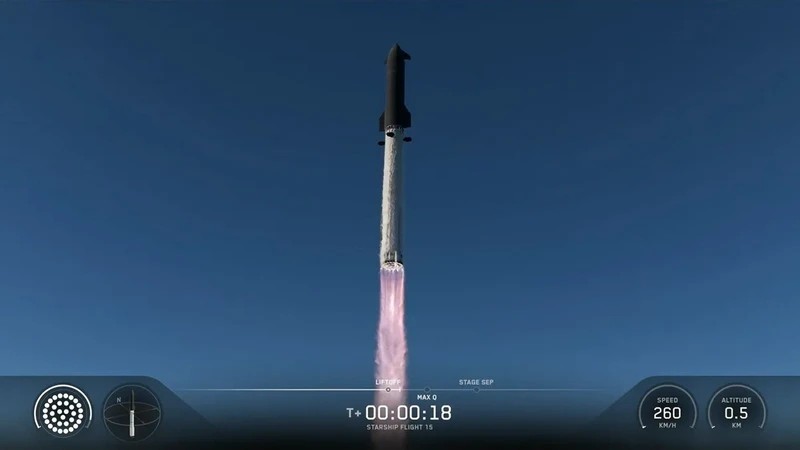
SpaceX lifted off with its massive Starship rocket from South Texas on schedule, marking the vehicle's 15th test flight in over three years. The early evening launch enjoyed ideal weather conditions with calm winds.
- The first stage ascended flawlessly and separated the upper stage over the Gulf of Mexico.
- The primary payload of 26 Starlink V3 satellites was successfully deployed into orbit.
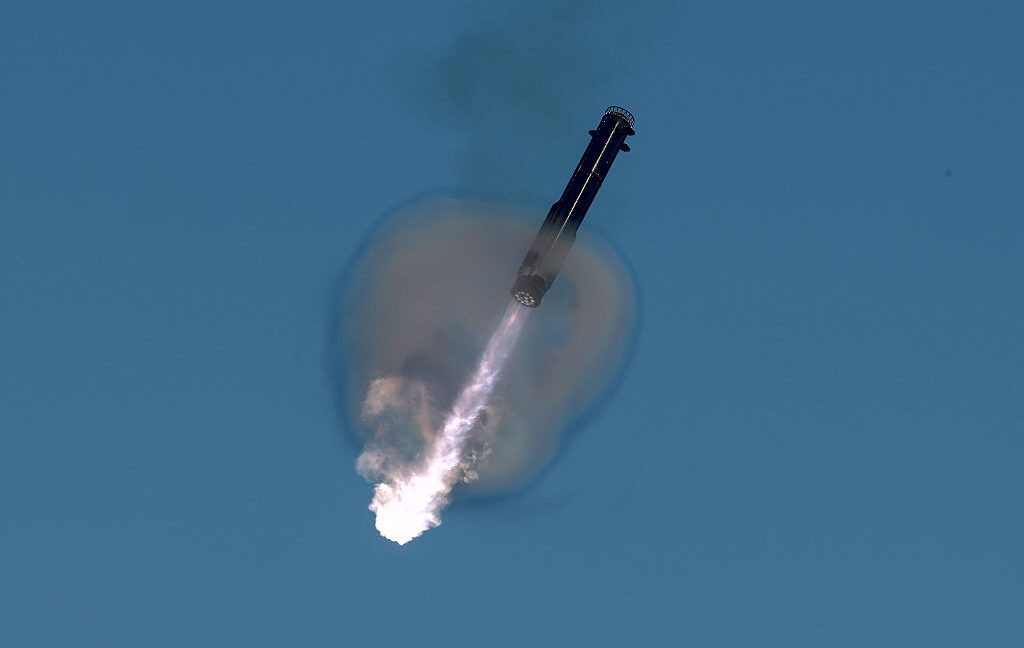
- The booster was diverted into the Gulf due to an unspecified issue rather than returning to the launch tower.
Orbital insertion and satellite deployment
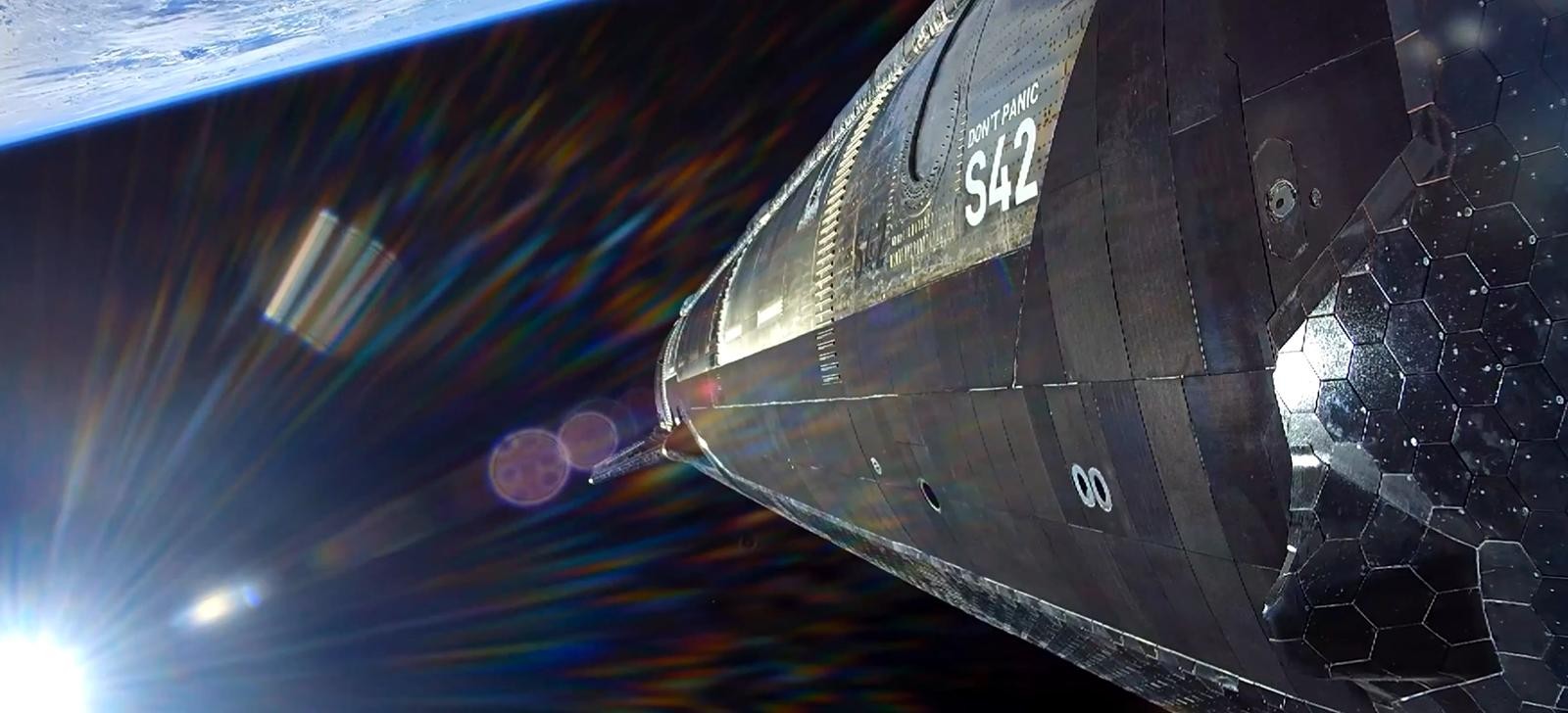
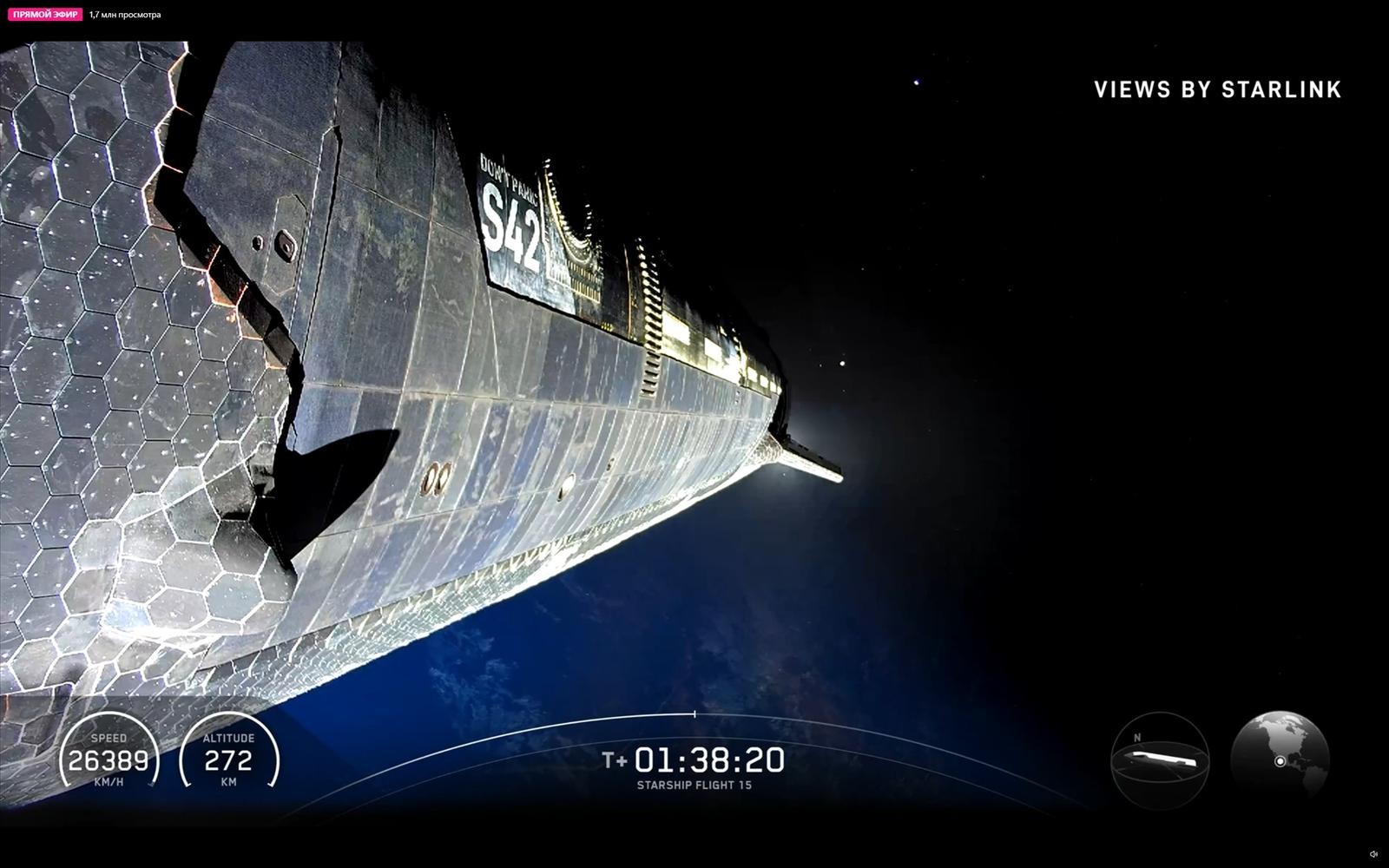
The upper stage ignited its Raptor engines and successfully reached a nominal low-Earth orbit for the second time in SpaceX history. About 40 minutes into the flight, 26 Starlink V3 satellites were deployed through a narrow door at the base of the spacecraft. All satellites safely reached orbit and will use onboard propulsion to raise their altitude.
This milestone confirms that Starship is now an operational, orbital rocket, standing as the largest and most powerful machine ever launched into space. The primary challenge moving forward is achieving full reusability and significantly increasing the flight rate.
Read alsoSpaceX successfully catches orbital Starship spacecraft with mechanical armsFirst stage outcome and heat shield upgrades
During the return sequence, the first-stage booster was diverted into the Gulf of Mexico due to an unspecified issue, creating a massive explosion upon impact. SpaceX continues to refine its booster recovery operations for future vehicle iterations.
A major focus remains the vehicle's heat shield, which must protect the upper stage during atmospheric reentry. SpaceX applied learnings from previous tests, adding retention mechanisms and curved tile designs to minimize plasma heating between gaps.
Implications for future spaceflight
Successfully mastering Starship reusability will revolutionize heavy-lift space transportation. The data gathered from these orbital tests provides critical insights into vehicle performance, bringing humanity closer to rapid and sustainable space exploration.
Source: Ars Technica