Starship S42 successfully launches Starlink V3 satellites and orbits Earth
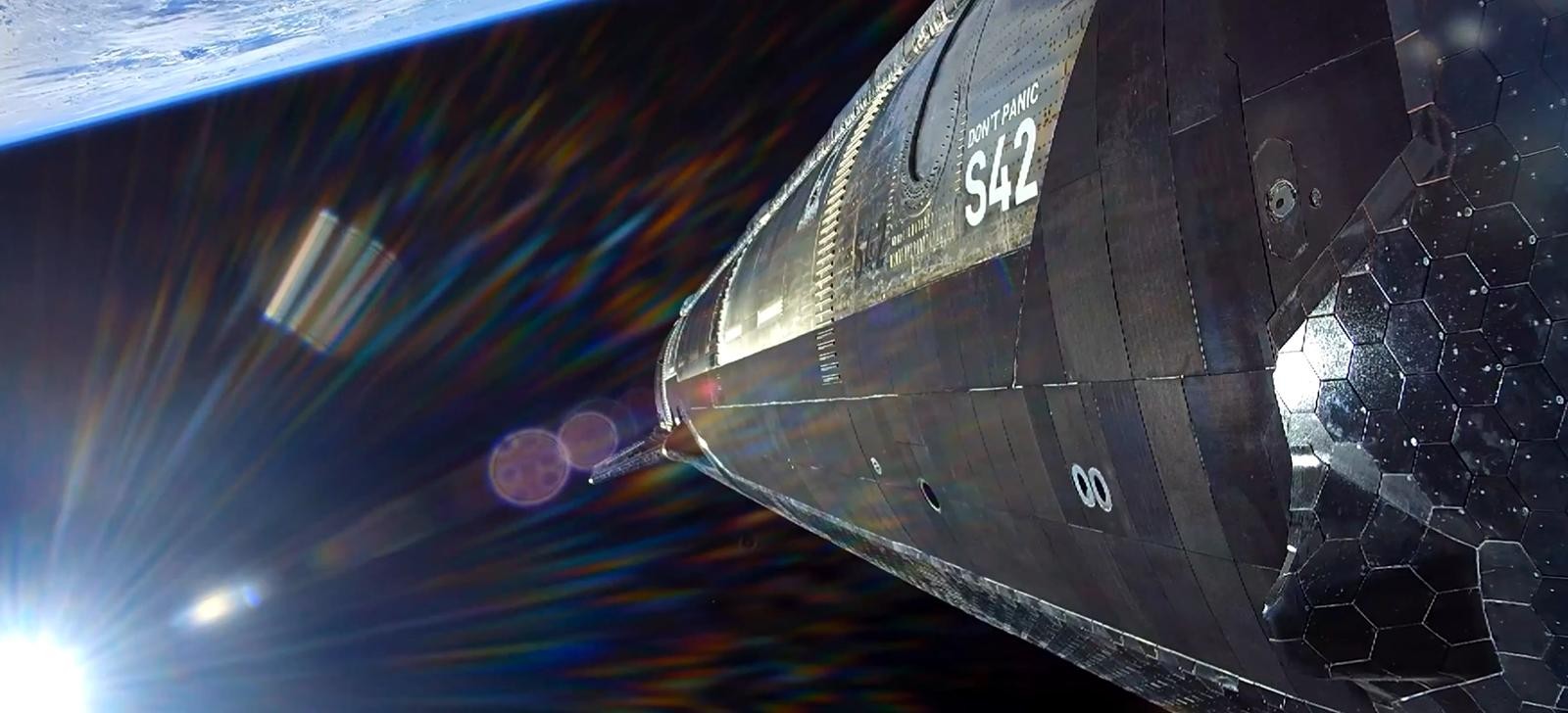
The Starship S42 spacecraft has successfully deployed 26 Starlink V3 satellites and continues its flight around Earth at 26,000 km/h.
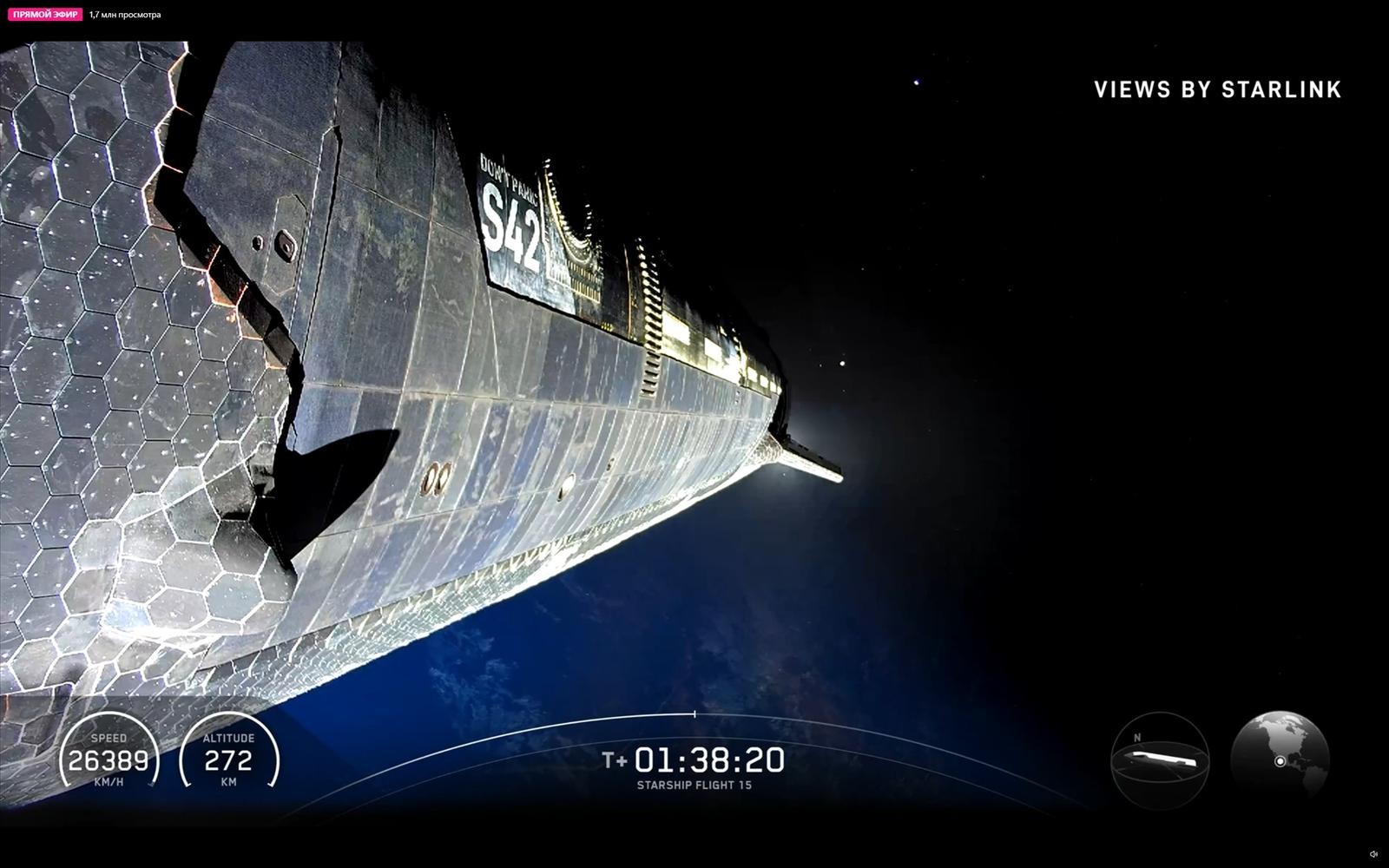
The Starship S42 spacecraft has completed one of its key mission objectives by successfully launching all 26 Starlink V3 communication satellites. The deployment process took over half an hour, and engineers have already established communication with the majority of the devices.
- Successfully deployed all 26 Starlink V3 satellites
- Performing about 14 orbits around Earth at 275 km altitude
- Traveling at a speed of approximately 26,000 km/h
- Historic attempt to catch the ship using Mechazilla tower
Current Orbital Flight and Monitoring
Starship is currently continuing its flight around the Earth. Over the next 21 hours, company specialists will monitor the performance of all onboard systems and evaluate the readiness of the spacecraft for its atmospheric reentry and return.
In the event of any unexpected anomalies, several contingency options for early orbit deorbiting have been prepared in advance. According to official reports from SpaceX, all systems are currently operating normally without any critical issues.
Read alsoSpaceX successfully catches orbital Starship spacecraft with mechanical armsFlight Parameters and Landing Plans
The spacecraft is scheduled to complete approximately 14 orbits around the Earth at an altitude of about 275 kilometers and a speed of around 26,000 km/h. The first orbit has already been completed, leaving 13 more to go.
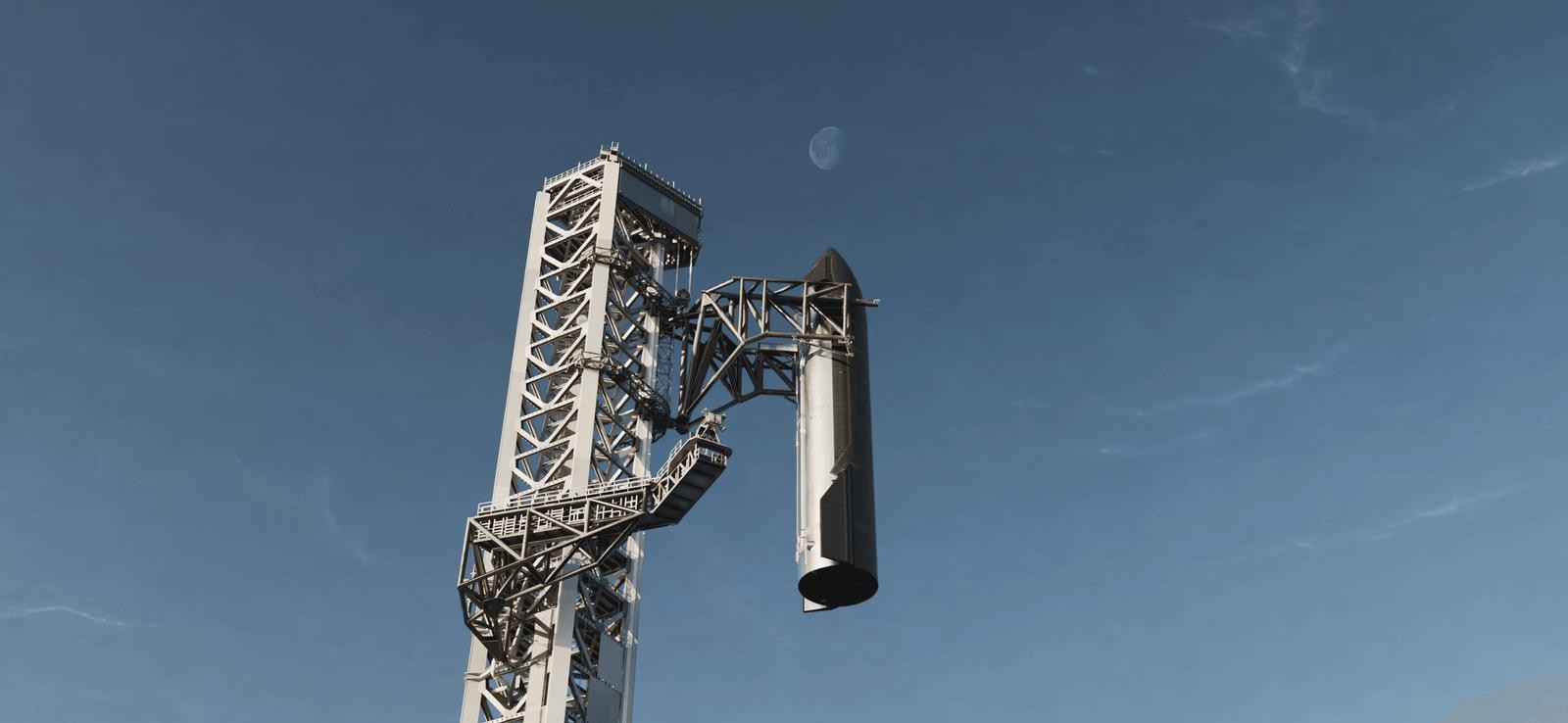
If the remainder of the test flight goes according to plan, Starship will attempt to return to the Starbase launch site in Texas. There, it will attempt a historic maneuver to be caught by the mechanical arms of the Mechazilla launch tower.
Significance of the Test Flight
This marks a major milestone in the ongoing flight test campaign. Following stage separation earlier in the mission, the booster successfully splashed down in the Gulf of Mexico while the ship continued its journey into orbit.
The upcoming attempt to catch the Starship vehicle using the Mechazilla tower arms will be the first time such a recovery maneuver is attempted for the spacecraft itself, bringing humanity closer to fully reusable interplanetary transportation systems.
Source: iXBT.com