VOLTA Windows malware uses Claude AI to rank stolen victim assets
A new self-deleting Windows infostealer named VOLTA sends stolen user data to Claude to assess victim value before cleaning up.
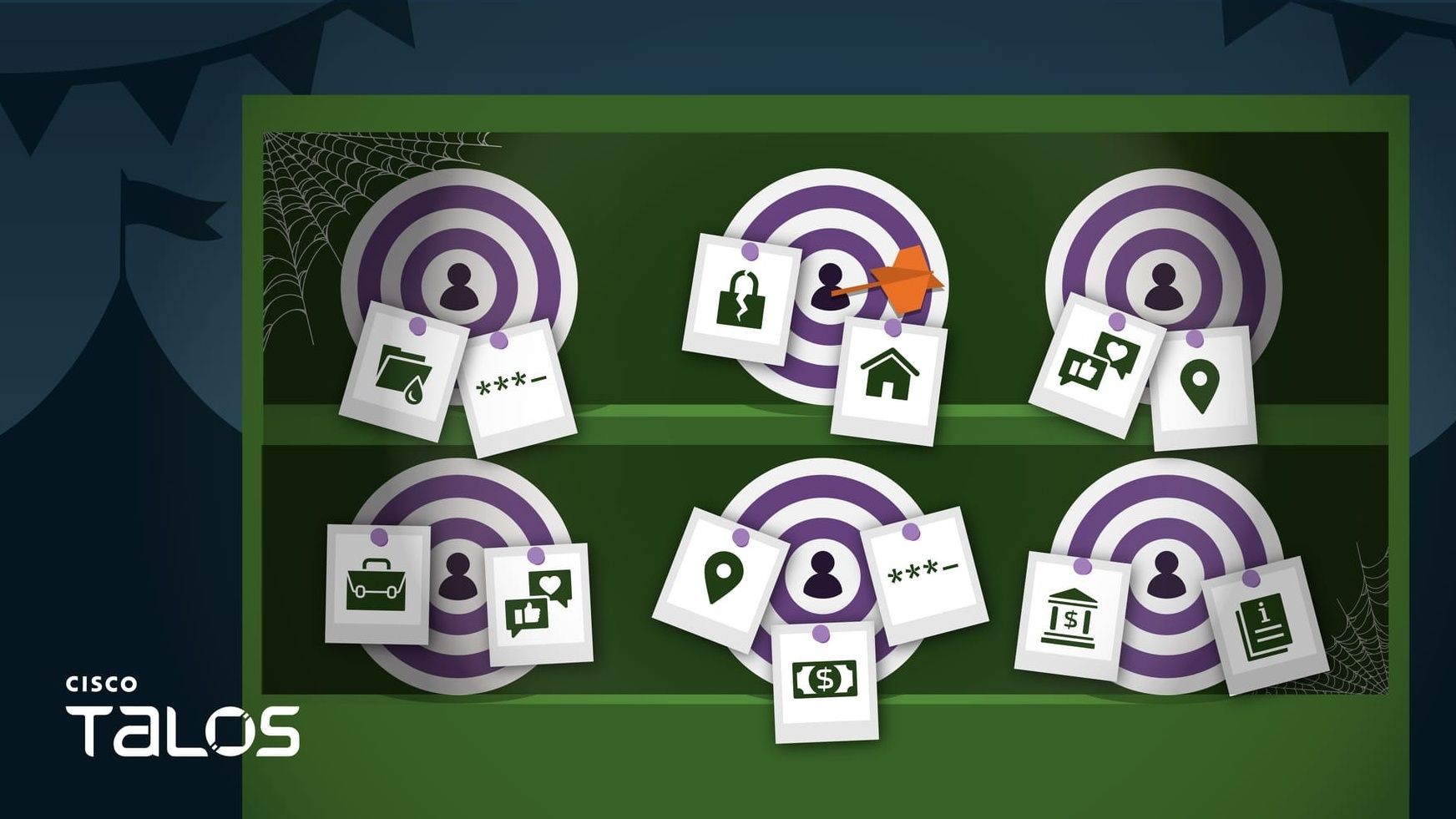
Security researchers at Cisco Talos have uncovered a sophisticated Windows infostealer called VOLTA-AUTODOXER that leverages artificial intelligence to maximize the monetization of stolen data. After extracting sensitive information from a compromised computer, the malware uses Anthropic’s Claude model to evaluate the victim's financial worth and security posture before performing a self-deletion routine.
- The infostealer aggregates stolen system data, tokens, and browser files into a structured JSON evidence bundle.
- It queries Anthropic's Claude Opus 4.6 model via OpenRouter to rank the victim's assets by potential financial payout.
- The malware features built-in refusal resilience, automatically switching to Kimi K2 or Gemini 2.5 Flash if needed.
- Final target assessments and logs are exfiltrated directly to the operator's Telegram inbox without requiring custom C2 infrastructure.
Operational mechanics and data enrichment
VOLTA does not merely collect standard credential files; it actively engages in live data enrichment using active stolen sessions. The malware scans the victim's Gmail account for digital receipts from popular delivery and e-commerce services to verify home addresses and personal details. It also reuses stolen tokens to map out user profiles and evaluate valuable digital inventory on gaming platforms.
The gathered intelligence is packaged locally and sent to OpenRouter alongside a strict system prompt instructing the model to act as a forensic intelligence analyst. A low temperature setting ensures maximum predictability in the AI's output. The resulting dossier provides cybercriminals with a comprehensive target assessment detailing password hygiene and overall security posture.
Read alsoVOLTA infostealer uses LLMs to rank victims by asset valueMitigation strategies and the rise of AI malware
To bypass modern browser protections like Chrome's App-Bound Encryption, VOLTA launches the browser in headless mode without a graphical user interface. Implementing strict application control policies to restrict unauthorized headless browser launches can effectively block this specific extraction path, though users must still rotate all exposed tokens and credentials immediately.
The deployment of AI models within malware highlights an alarming trend toward fully automated cyberattacks. As malicious actors integrate multi-model fallback systems and reasoning capabilities into their payloads, the distinction between human-driven analysis and automated exploitation continues to blur rapidly across the threat landscape.
Source: Latest from Tom's Hardware