Xbox Nano: The new controller with direct cloud connectivity
Microsoft is preparing to launch the compact Xbox Nano controller, featuring direct Wi-Fi connectivity to Xbox Cloud Gaming to reduce input latency.
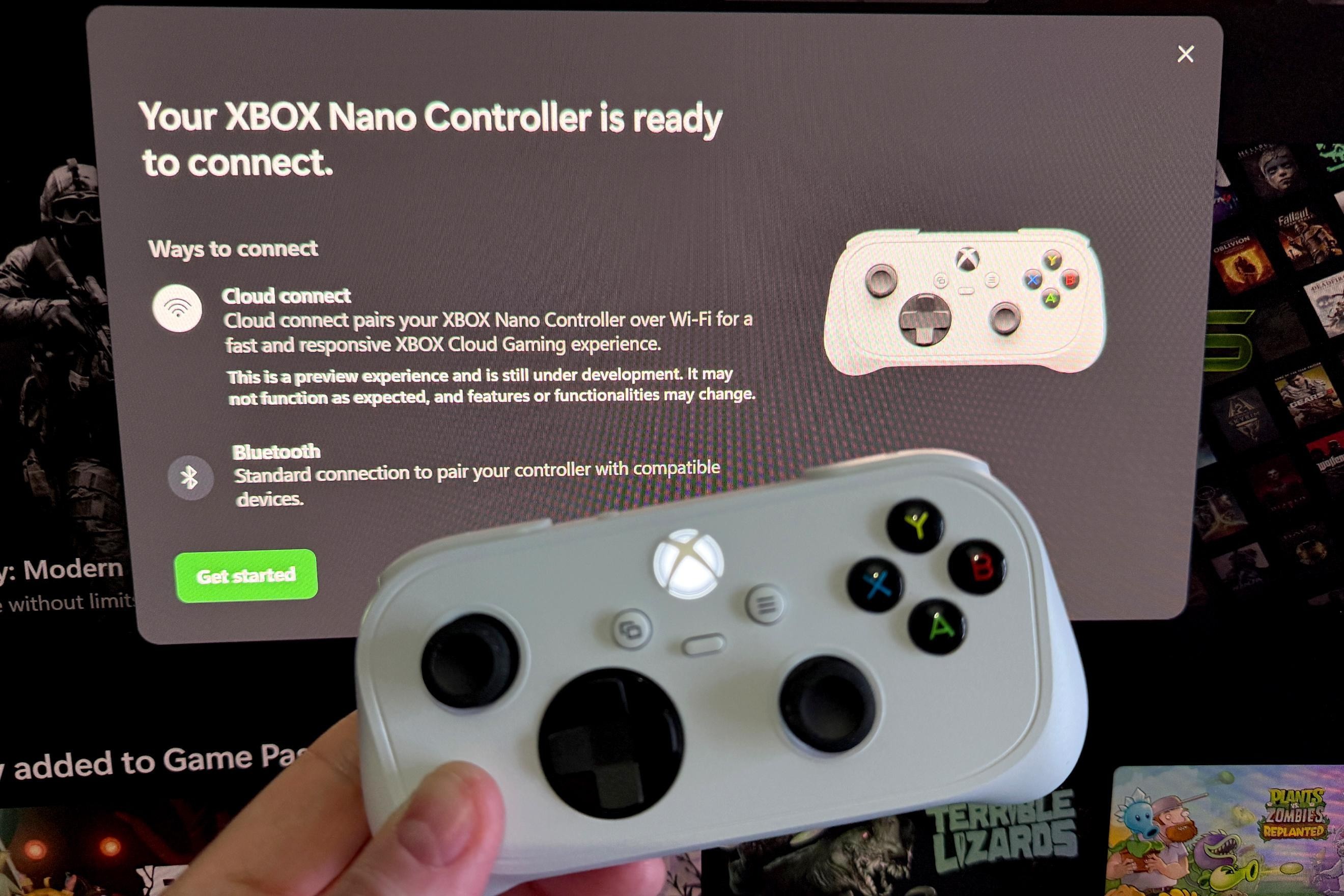
Microsoft is poised to introduce its new Xbox Nano controller, a miniature device that holds a significant technical secret: the ability to connect directly to Xbox Cloud Gaming servers via Wi-Fi. This feature is designed to drastically reduce input latency, providing a more seamless experience for cloud gaming enthusiasts.
- Direct Wi-Fi connection to cloud servers reduces input lag.
- Requires setup via the Xbox mobile app.
- Technology mirrors the direct-to-cloud approach once used by Google Stadia.
- Similar functionality is expected to debut in future Xbox Elite 3 models.
How Direct Cloud Connection Works
By connecting directly to Microsoft's cloud servers over Wi-Fi, the Nano controller bypasses the host device's connection (such as a smartphone or smart TV), effectively removing an extra layer of latency. This innovative approach is currently undergoing private testing on the updated Xbox Cloud Gaming web platform.
To utilize this, users will need to pair the controller with the service using the Xbox mobile app. This represents a major shift in how input devices interact with cloud infrastructure, aiming to make remote gaming feel as responsive as local hardware.
Read alsoThe Elder Scrolls VI Sentinel: Bethesda Officially Confirms Game NameThe Evolution of Xbox Hardware
Microsoft's journey toward this technology began with the 'Sebile' project, an internal initiative for a new controller meant to accompany a 2024 refresh of the Xbox Series X. While that console refresh was ultimately canceled, the push for direct cloud connectivity has remained a core part of the company's peripheral roadmap.
What This Means for the Industry
For developers and gamers, this hardware-level integration is a game changer. By minimizing the bottleneck of input transmission, it allows cloud gaming platforms to offer a competitive alternative to traditional gaming setups. As infrastructure improves globally, such low-latency hardware could become the new standard for remote, high-fidelity gaming.
Source: The Verge