Yandex increases delivery rover speeds by 40 percent using artificial intelligence
Yandex has increased the average speed of its delivery rovers from 3.5 to 5 km/h in five months thanks to a new AI motion planning model.
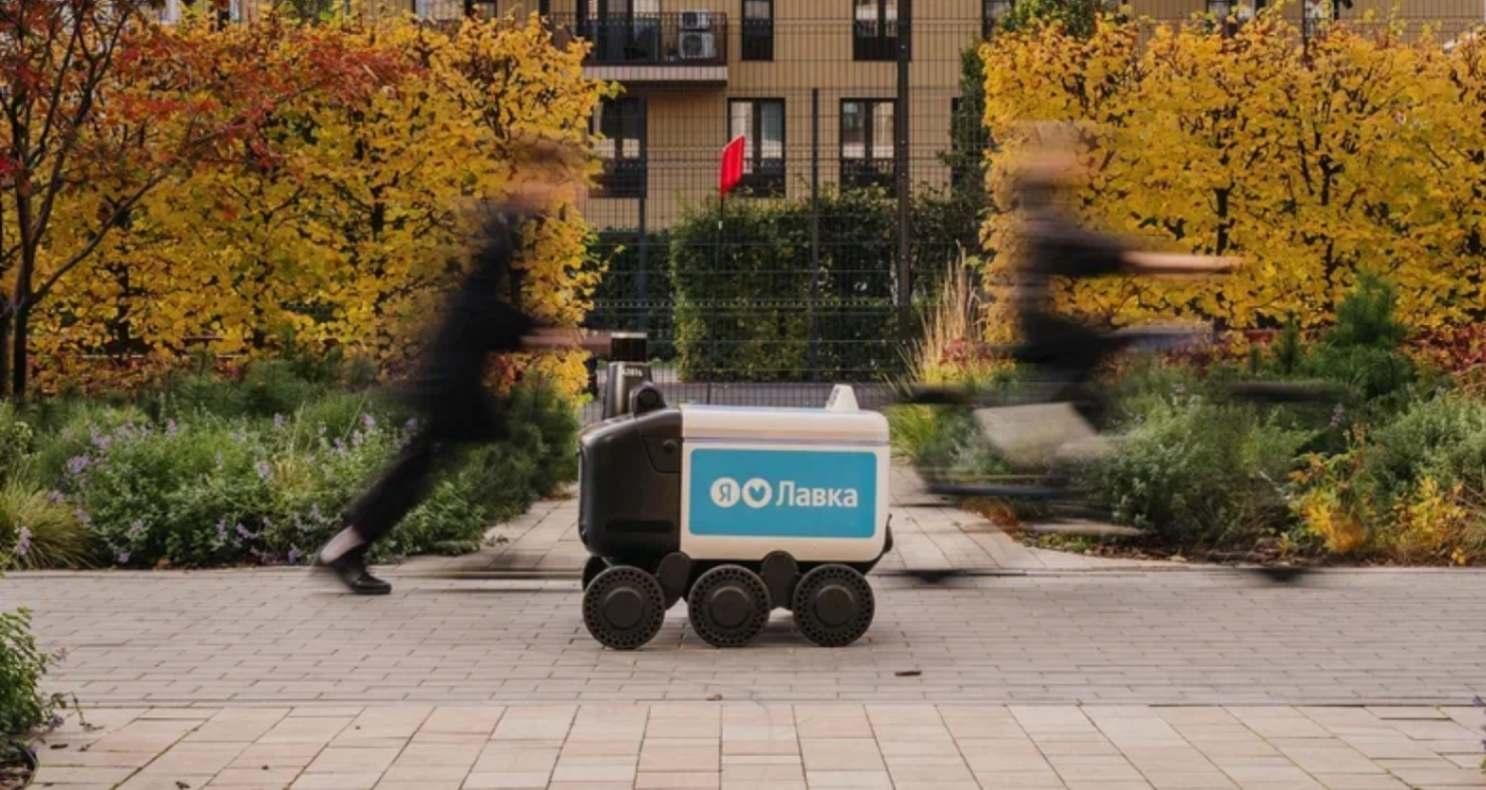
Yandex has announced a significant performance boost for its delivery rover fleet, increasing their average speed by nearly 40 percent over a five-month period. The speed went up from 3.5 to 5 kilometers per hour, driven by a new artificial intelligence model responsible for motion planning and helping robots assess complex traffic situations more accurately.
- Average rover speed increased from 3.5 to 5 km/h
- The new AI model was trained in simulation for over 20,000 years
- More than 6,000 virtual rovers operated simultaneously in the simulation
- The entire delivery fleet fully transitioned to the new AI planner in May 2026
Artificial Intelligence Training in Virtual Environment
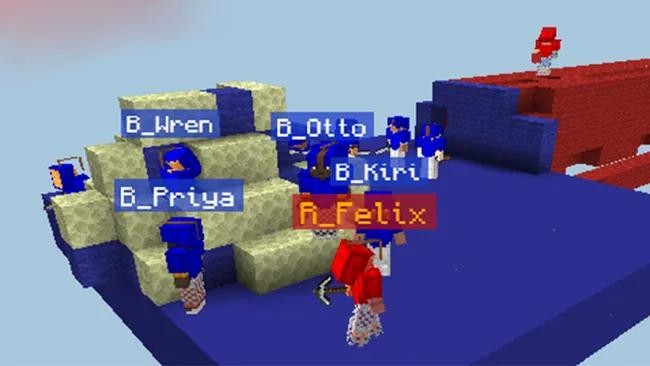
The impressive productivity jump was achieved through reinforcement learning of the neural network in a virtual environment. The cumulative training time of the models exceeded 20,000 years, made possible by parallel simulation involving over 6,000 virtual rovers working simultaneously. These units practiced rare and complex scenarios that are difficult or unsafe to replicate in real-world conditions.
This virtual setup provides a massive time advantage. According to the developers, one hour of such simulation grants the robots an experience equivalent to approximately 140 days of driving on real city streets, preparing the AI for unpredictable pedestrian and traffic behaviors.
Read alsoYandex Pay restores operations after a major service outageSafety Systems and Hardware Control
Despite the increased speed and agility of the routing algorithms, safety remains a priority on real-world routes. Vehicle movement is continuously monitored by supplementary hardware safety systems. Specifically, a lidar detects obstacles in advance and proactively limits speed, while ultrasonic sensors allow for emergency stops if an obstruction appears too close.
This combination of advanced software planning and reliable hardware safeguards ensures predictable and secure navigation on public sidewalks.
New Behavioral Patterns on Delivery Routes
The entire fleet of delivery rovers fully switched to the new AI-based planner in May 2026. Previously, the robots followed strictly predetermined algorithms and preferred to slow down or come to a complete halt when facing unfamiliar situations.
Now, the rovers react much more flexibly to their environment. They can smoothly reduce speed before approaching obstacles and accelerate on clear paths without causing any inconvenience to pedestrians or other traffic participants.
Source: iXBT.com