Your Windows 11 Arm tablet has an expiration date sooner than you think
Windows on Arm devices come with hidden support limits. Processors, firmware updates, and Secure Boot certificates create real device lifespans.
Unlike traditional x86 PCs that generally keep receiving patches until the hardware fails, Windows on Arm devices operate under different rules. Microsoft has outlined strict end-of-support timelines for older silicon, alongside firmware schedules and security certificate expirations that impact older tablets.
Key factors affecting device lifespan: - Windows 11 26H2 is the final supported version for Snapdragon 850 processors, ending in 2028 and 2029. - Surface and other Arm devices follow strict OEM firmware support lifecycles. - Expiring Secure Boot certificates introduce critical boot-process limitations for unpatched hardware.
The Snapdragon 850 processor, powering devices like the Samsung Galaxy Book2 and Lenovo Yoga C630, has reached its official software limit. Microsoft quietly noted that version 26H2 is the final release to support this silicon. Once Home and Pro support concludes in October 2028, these machines will have no supported upgrade path left.
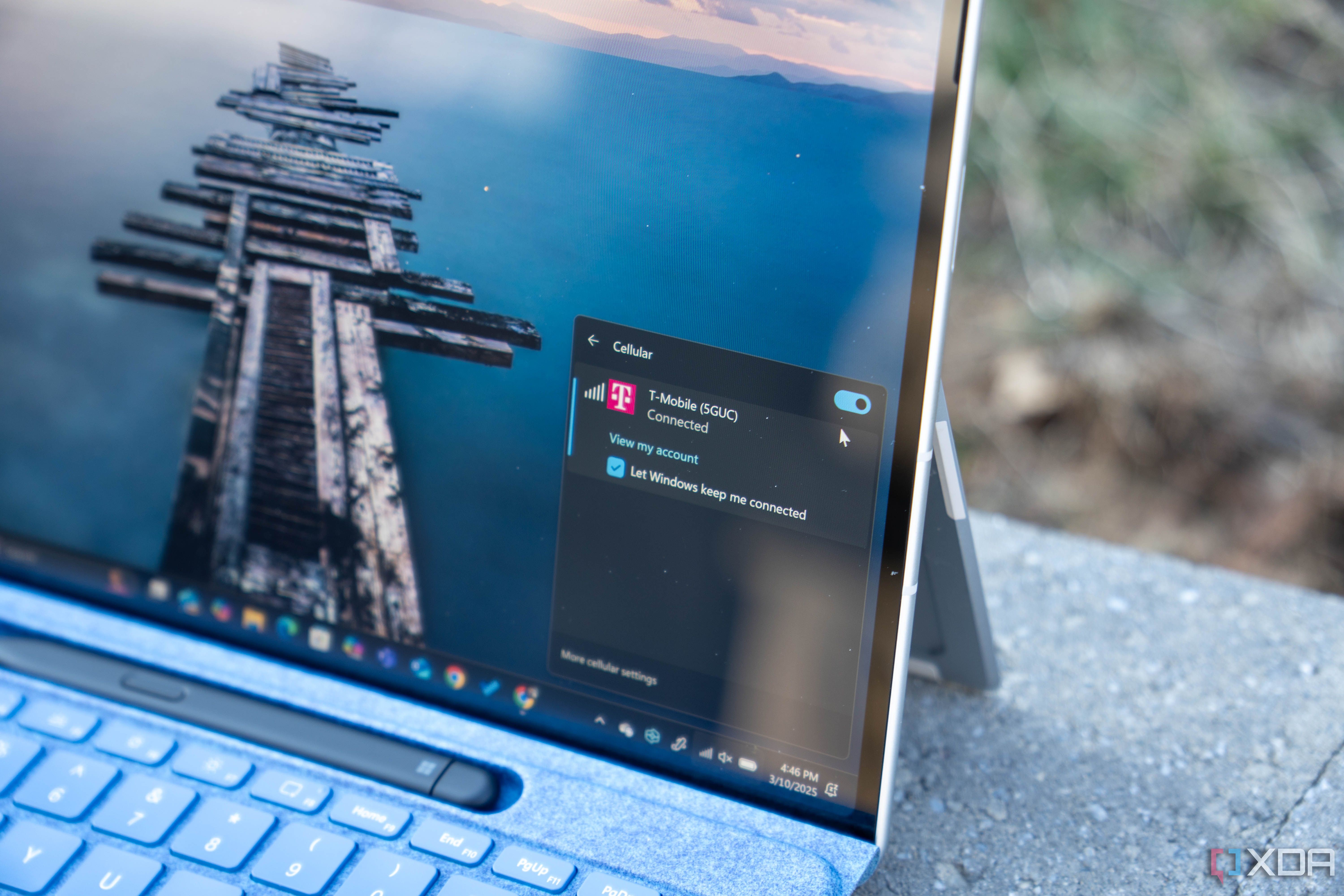
The second major factor involves firmware and UEFI update lifecycles. For instance, the original LTE-enabled Surface Pro X models stopped receiving firmware updates in August 2025, while the Wi-Fi variant has a longer runway. Frozen firmware matters immensely because devices need ongoing vendor updates to accept newer Microsoft Secure Boot certificates.
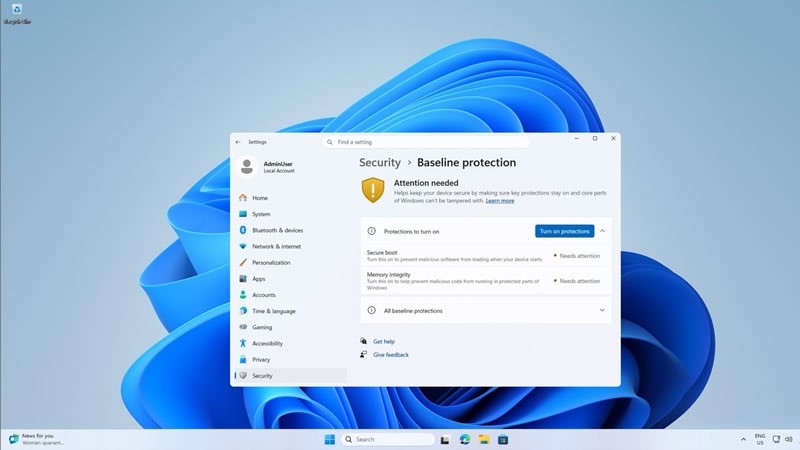
Understanding these hardware lifecycles is essential for consumers and IT professionals alike. As Microsoft shifts its focus to newer silicon architectures, older Arm tablets will inevitably face compatibility walls. Users are advised to check their processor versions and system security settings to anticipate any upcoming support drop.
Source: XDA