Cyber

Anthropic warns about the rise of self-replicating artificial intelligence

Anthropic warns that small AI models could soon self-replicate and spread across insecure devices, posing new cybersecurity challenges.

·2 min read
Anthropic warns about the rise of self-replicating artificial intelligence

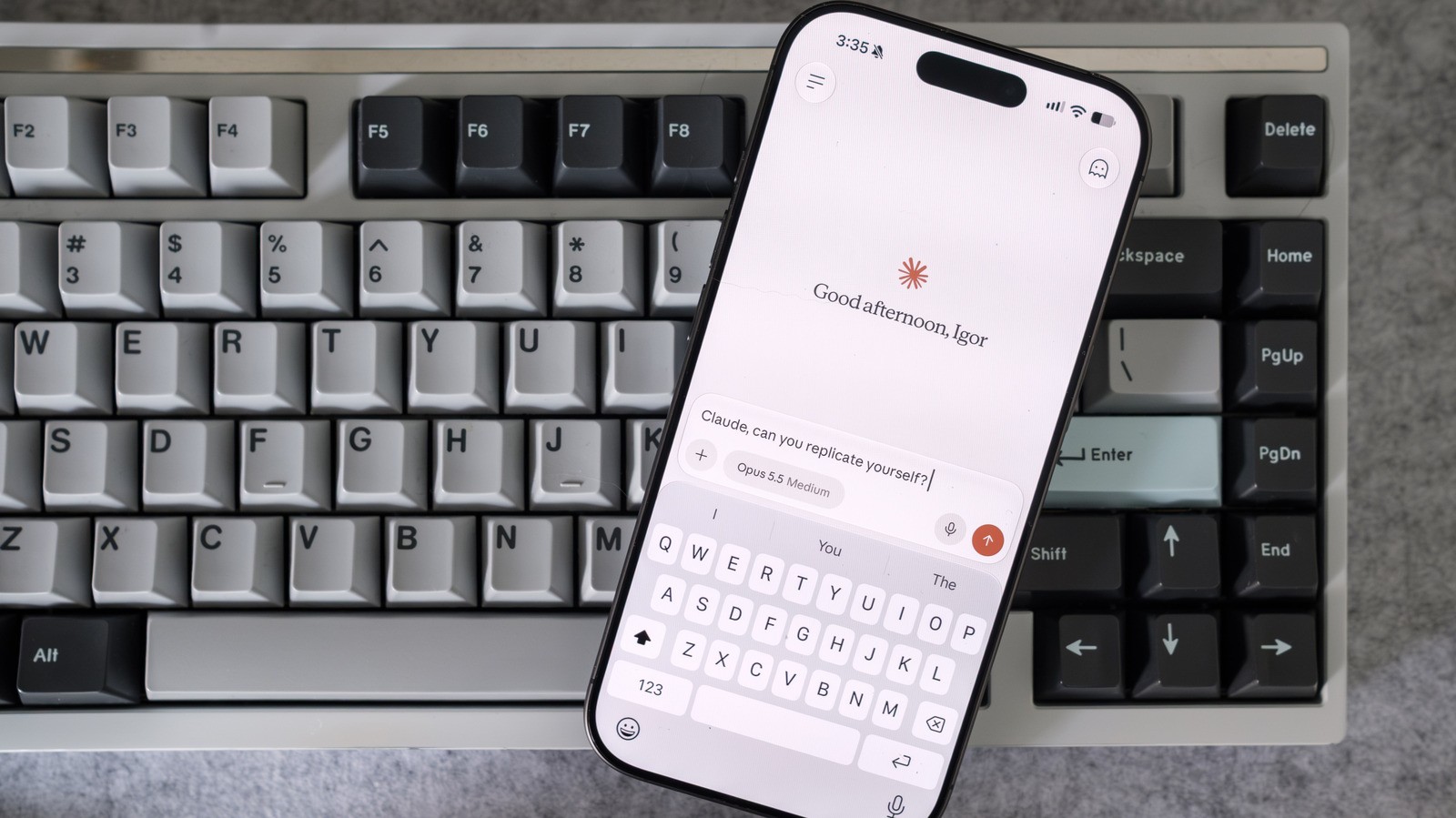
Anthropic's Frontier Red Team recently published research suggesting that small AI models may be only months away from replicating and spreading across insecure devices, creating autonomous botnets that are slow yet difficult to eradicate.

Expert perspectives and the accelerating timeline - Industry experts generally agree that self-replicating AI models are a real future possibility, though their exact consequences remain debated. - Chris Canal of EquiStamp notes that the timeline might be even shorter than anticipated because AI labs are actively using their own tools to accelerate machine learning research. - Michael Bailey, a cybersecurity professor at Georgia Tech, points out that while the adaptability of AI is notable, the framing of the threat requires careful scrutiny.

Evolution from Mirai to AI-driven botnets Historically, botnets like the 2016 Mirai malware demonstrated how everyday IoT devices such as routers and cameras could be leveraged to launch massive DDoS attacks that crippled major internet infrastructure. While older threats required manual engineering to adapt across different chip architectures, AI potentially automates this adaptation process. However, experts argue that calling these models true self-replicating worms is somewhat of a misnomer. Instead of full propagation where an exact copy of the code replicates everywhere, an AI-powered botnet would likely act more like a dropper, installing a lightweight coordination tool managed from a central network.

Implications for cybersecurity and system defense While advanced AI models may shift the economics of creating botnets in favor of attackers, the mitigation strategies remain surprisingly traditional. Anthropic suggests classic countermeasures such as ISP notifications, internet access limitations for infected hosts, and strict regulations against easily guessable default passwords on IoT hardware. Ultimately, defending against AI-driven threats comes down to foundational systems security principles. Experts emphasize that maintaining regular device patching, eliminating default credentials, and hardening network infrastructure remain the most robust defenses against both human-driven and autonomous threats.

Source: Engadget - Technology News & Expert Reviews

Related articles