Electric motorcycles are challenging Honda's decades of market dominance
Electric bikes are reshaping the motorcycle market in Vietnam, surging past 32% market share, cutting into Honda's lead, and propelling VinFast forward.
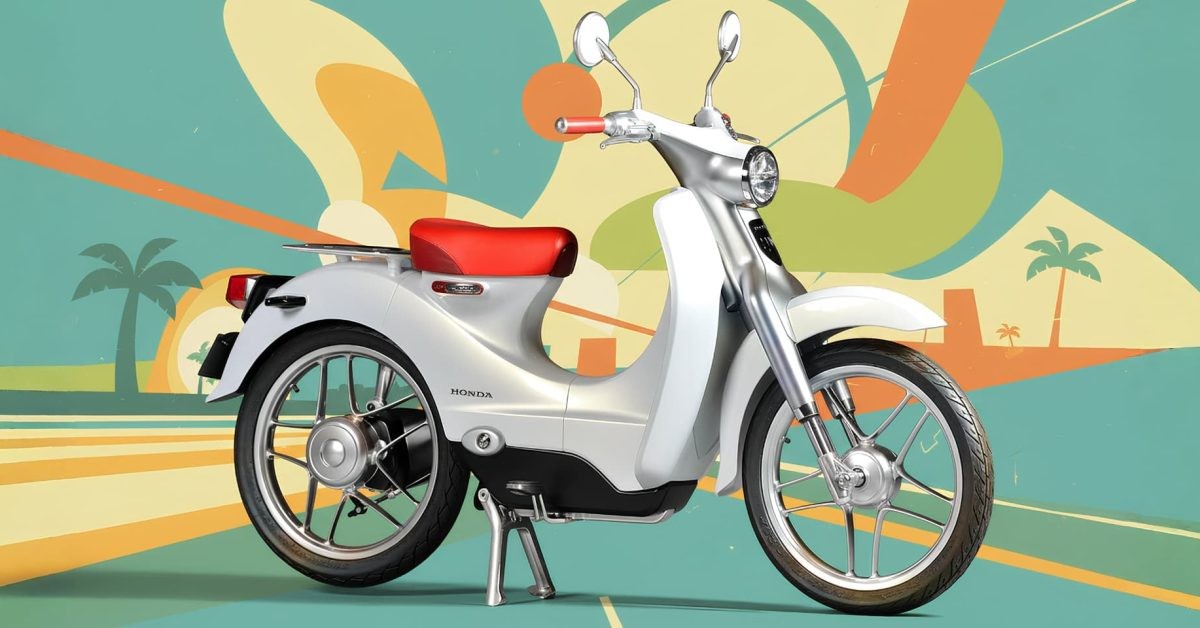
Honda has spent decades building a dominant position in the global motorcycle industry by selling millions of gasoline-powered two-wheelers annually. However, in markets where electric motorcycles and scooters are becoming accessible, that dominance faces a serious challenge.
- Vietnam recorded over 3 million motorcycle sales in the first nine months of 2026, marking 25.9% year-over-year growth.
- Electric two-wheeler sales surged by 90.5% to reach 973,247 units, capturing roughly 32% of total new sales.
- The biggest beneficiary is Vietnamese EV manufacturer VinFast, which saw sales skyrocket by 152.1% to take second place.
Vietnam as a case study for EV transition
Vietnam offers an illuminating case study of how rapidly growing electric motorcycle sales are reshaping a market traditionally dominated by Japanese gasoline manufacturers. The transition is happening rapidly as consumer preferences shift toward electric alternatives.
Nationwide sales figures for the first nine months of 2026 showed total motorcycle sales exceeding 3 million units, a 25.9% growth over the previous year. Within this figure, the electric segment experienced an explosive 90.5% surge, reaching nearly one million units sold.
Read alsoiOS 27 Update: How to reclaim 15GB of storage taken by Apple IntelligenceVinFast rise and Honda shifting share
While Honda remains the largest manufacturer overall with an 8.4% sales increase this year, its overall market share is shrinking. Meanwhile, VinFast has surged into second place following a staggering 152.1% sales increase.
Yamaha currently sits in third place, followed by electric specialist Yadea in fourth. Half of the top four market players now operate in the electric sector, experiencing meteoric growth compared to traditional brands.
Government policies driving electrification
This market transformation is heavily supported by government initiatives aimed at reducing urban air pollution. Plans to restrict gasoline-powered motorcycles in parts of Hanoi have fostered an increasingly favorable regulatory environment for EVs.
With domestic manufacturers like VinFast expanding their lineups of practical electric scooters, riders now have viable alternatives to gasoline models. This availability is accelerating the mainstream adoption of electric two-wheelers.
What this means for the industry
Honda is far from failing, and its gasoline models continue to sell well, but the modest growth compared to the EV segment signals a major shift in the market's center of gravity. The industry giant must adapt quickly to shifting consumer demands.
Vietnam serves as a clear indicator of what occurs when electric two-wheelers transition from niche products into mainstream viable alternatives to internal combustion engines.
Source: Electrek