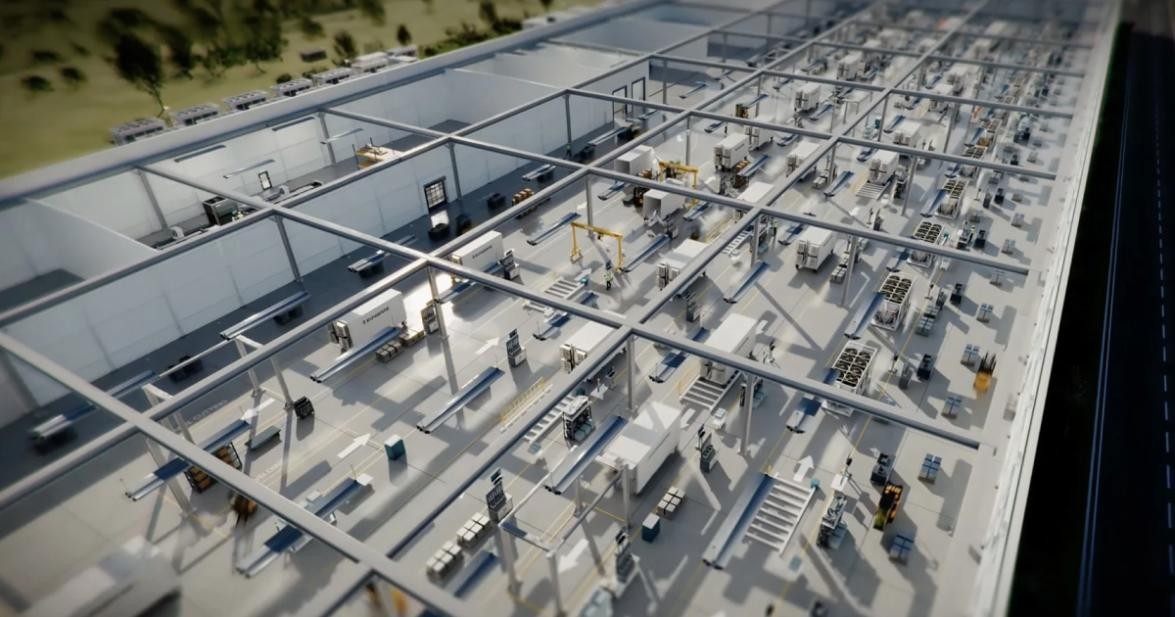
Rostelekom is developing secure underground data centers to protect data
Rostelekom is working on underground data center projects to ensure high-level security against external threats.

Rostelekom is actively working on projects for deep underground data centers designed to provide enhanced protection for critical information and hardware. This initiative aims to address the changing landscape of external risks and ensure uninterrupted digital operations.
- Rostelekom is discussing an underground data center project with Nornickel.
- Three levels of protection include backups, power distribution, and underground placement.
- The Ministry of Digital Development previously recommended shelters for strategic facilities.
Levels of digital infrastructure protection
Within the framework of the new security concept, Rostelekom specialists are considering three distinct levels of digital infrastructure protection. The first level involves creating a standard backup site with data copies, while the second focuses on distributing computing workloads across multiple geographically distant data centers.
The third and most advanced option entails placing data centers underground to counter the most severe physical and technological threats. The specific configuration of the infrastructure will be tailored to the customer's requirements, capacity needs, geographic location, and allocated budget.
Read alsoNew US data centers could wipe out 15 years of emission cutsPartnership projects and executive insights
In addition to ongoing discussions with Nornickel, the operator is developing a modular solution for PhosAgro, although its potential underground placement has not yet been confirmed. Specific implementation timelines and technical parameters for the future underground data centers have not been disclosed.
Back in October, Valery Ermakov, Deputy Chairman of the Management Board at Rostelekom, highlighted the necessity of doomsday backup data centers due to evolving threats. Earlier, the Ministry of Digital Development recommended utilizing hardened locations such as underground bunkers and rock formations for strategic data hubs.
Implications for the IT market
The development of highly secure infrastructure marks a critical shift in corporate and state IT strategies. Transitioning towards deep underground data centers allows major enterprises to significantly mitigate operational risks in uncertain times.
Source: iXBT.com