Serve Robotics launches Physical AI Services to become the AWS for robots
Serve Robotics is expanding its business by offering its proprietary connectivity and AI data tools to other robotics developers.
·2 min read
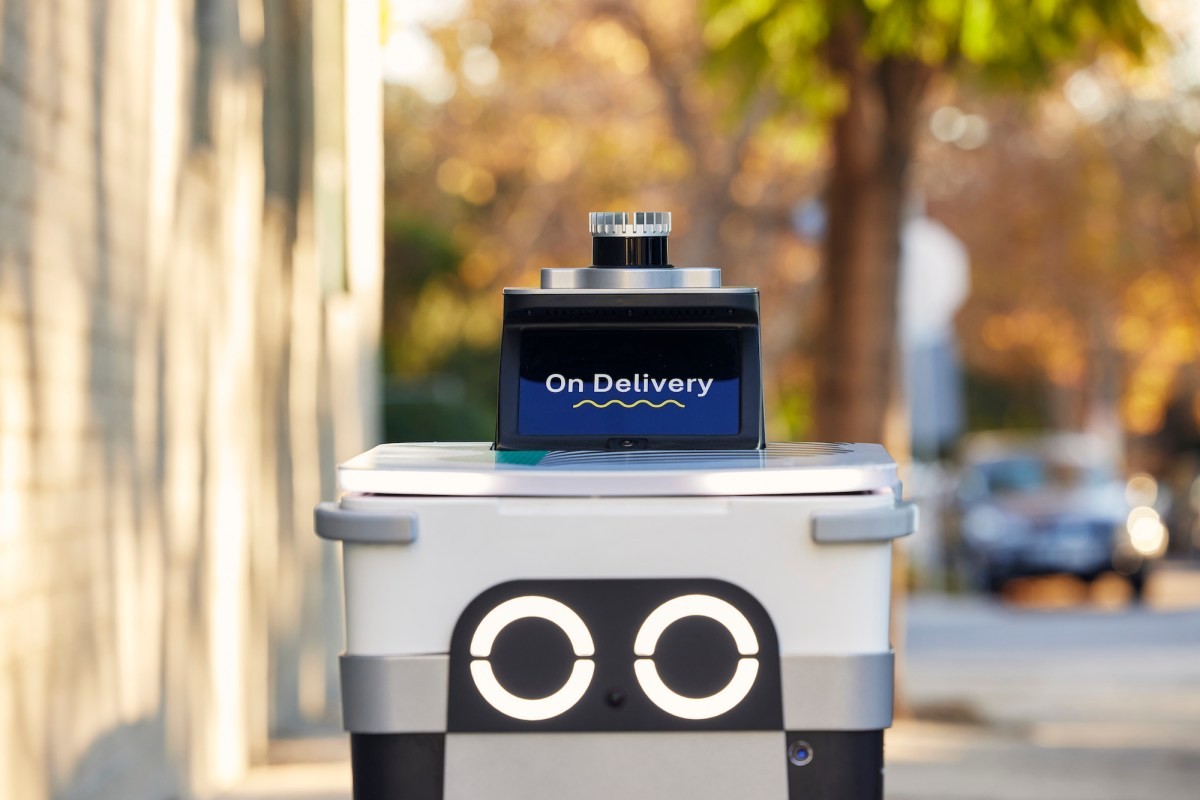
Serve Robotics, the maker of autonomous sidewalk delivery robots, has announced a new business line called Physical AI Services. This expansion marks a strategic shift for the company, as it begins to sell its internal connectivity and data infrastructure tools to external companies.
- The company is launching three core products: Serve Link, a data curator tool, and a real-world foundation model data catalog.
- The strategy mimics the AWS model, where internal operational tools are commercialized for broader market use.
- Initial partners include Bedrock Robotics, which builds systems for construction machinery, and T-Mobile.
Building the infrastructure for autonomy CEO and co-founder Ali Kashani described this pivot as an "AWS moment" for the company. By opening up the technology developed for its own fleet, Serve Robotics aims to solve the industry-wide challenge of operating robots in human spaces. The company has spent years refining its connectivity solutions to handle unreliable networks, ensuring that robots remain connected and operational in complex environments. Serve Link, the flagship product of this new line, offloads intensive AI processing from the robot to data centers. This architecture allows developers to build more capable robots without the weight and power constraints of carrying massive onboard computing hardware.
Advanced data tools for developers In addition to connectivity, Serve Robotics is providing tools that address the data-hungry nature of AI. Their data curator tool helps developers filter through the vast amounts of telemetry data collected by robots, identifying critical edge cases that can be used to improve performance through re-training. The catalog of real-world data, built on Serve's experience navigating city sidewalks, serves as a foundation model for AI. By utilizing this data, other companies developing robots for farms, warehouses, or hospitals can significantly accelerate their development cycles and improve the safety of their autonomous systems.
The impact on the robotics ecosystem For the broader tech sector, this move signals a maturation of the robotics industry, moving from custom "one-off" solutions toward standardized infrastructure. For global businesses and startups, this transition means they can focus on their core product differentiation while leveraging professional-grade connectivity and data tools, ultimately reducing development time and cost.
Source: TechCrunch